Title: Understanding the Structure and Function of Maridebart Biosimilar – Anti-Gastric Inhibitory Polypeptide Receptor mAb
Introduction:
Maridebart Biosimilar is a monoclonal antibody (mAb) that targets the gastric inhibitory polypeptide receptor (GIPR). This biosimilar is a promising therapeutic agent for various diseases, including type 2 diabetes and obesity. In this article, we will explore the structure, activity, and potential applications of Maridebart Biosimilar as a research-grade antibody.
Structure of Maridebart Biosimilar:
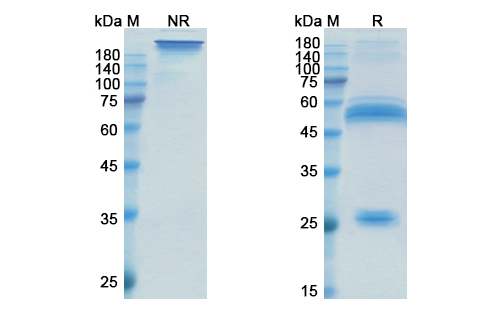
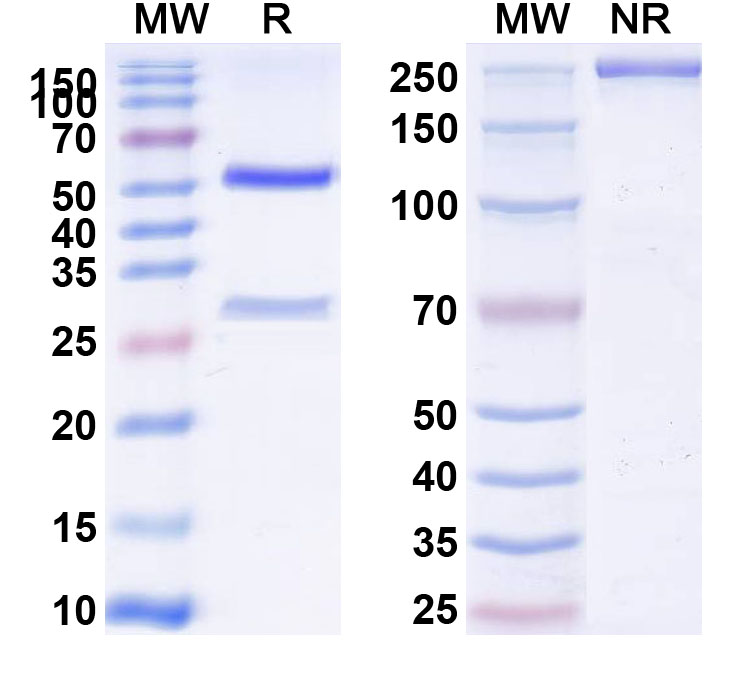
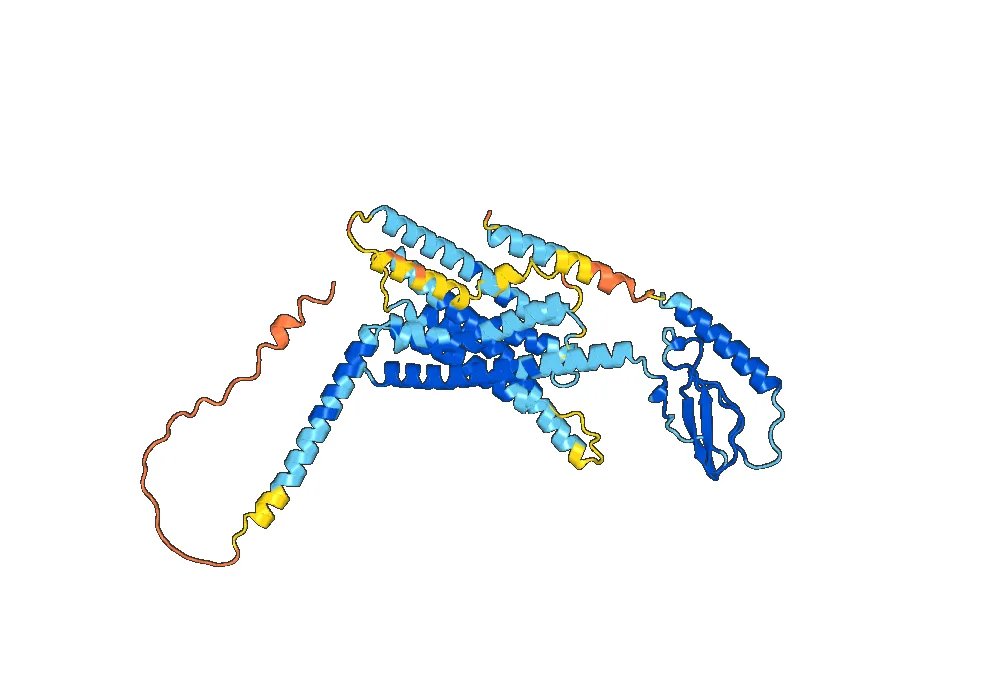
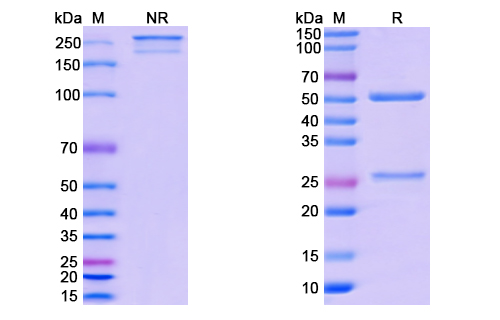
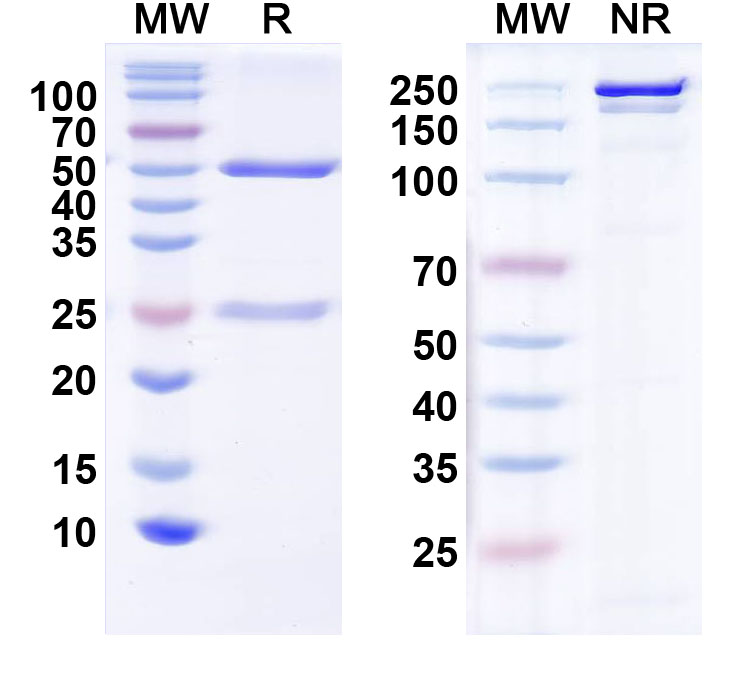
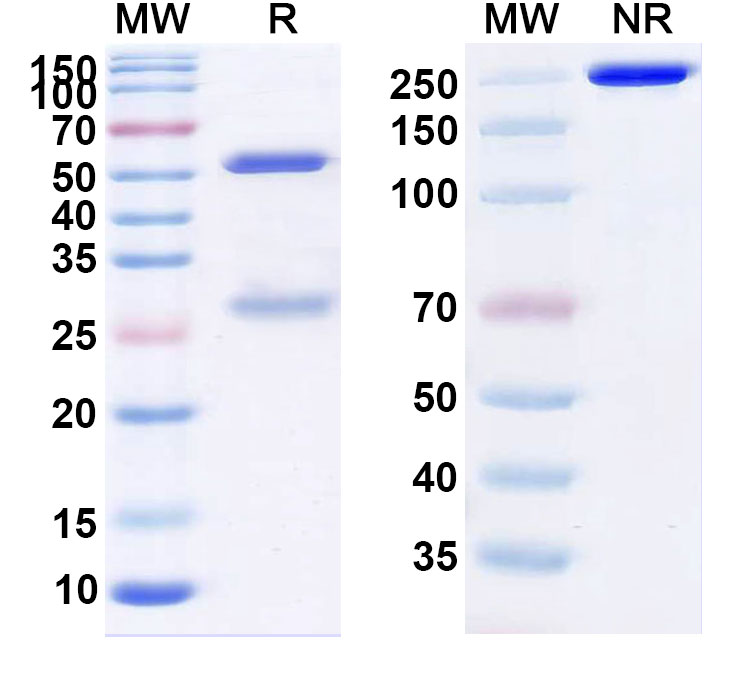
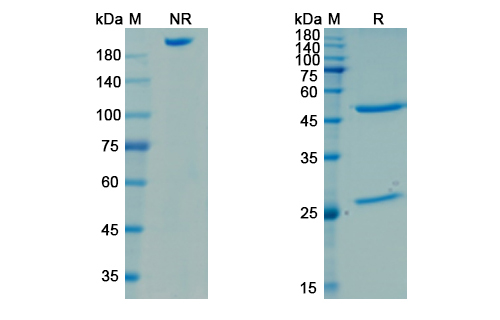
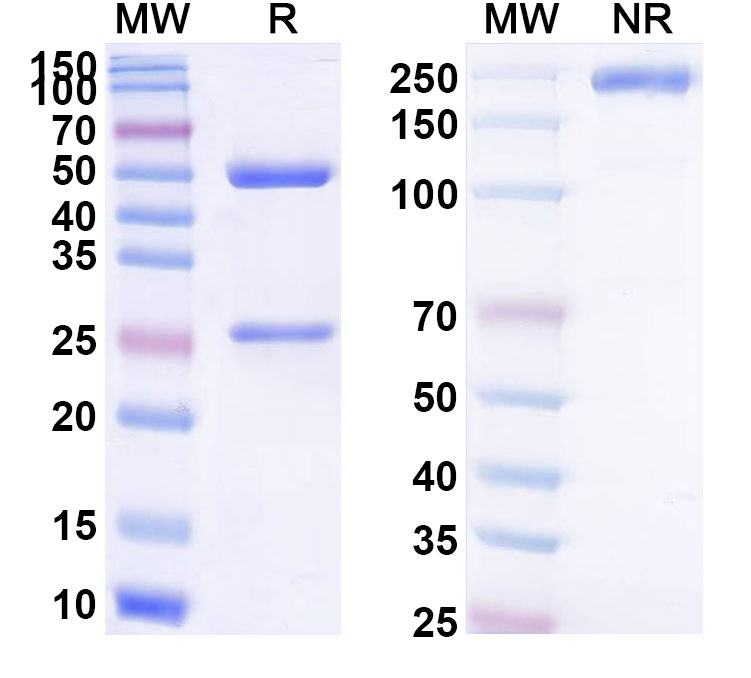
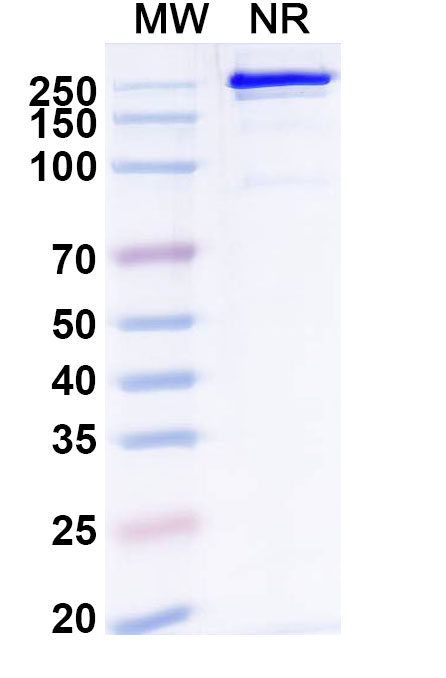
Maridebart Biosimilar is a recombinant humanized mAb that is derived from a mouse monoclonal antibody. It consists of two heavy chains and two light chains, connected by disulfide bonds. The heavy chains are composed of four constant domains (CH1, CH2, CH3, and CH4) and one variable domain (VH). The light chains consist of one constant domain (CL) and one variable domain (VL). The variable domains of both the heavy and light chains are responsible for binding to the GIPR.
Activity of Maridebart Biosimilar:
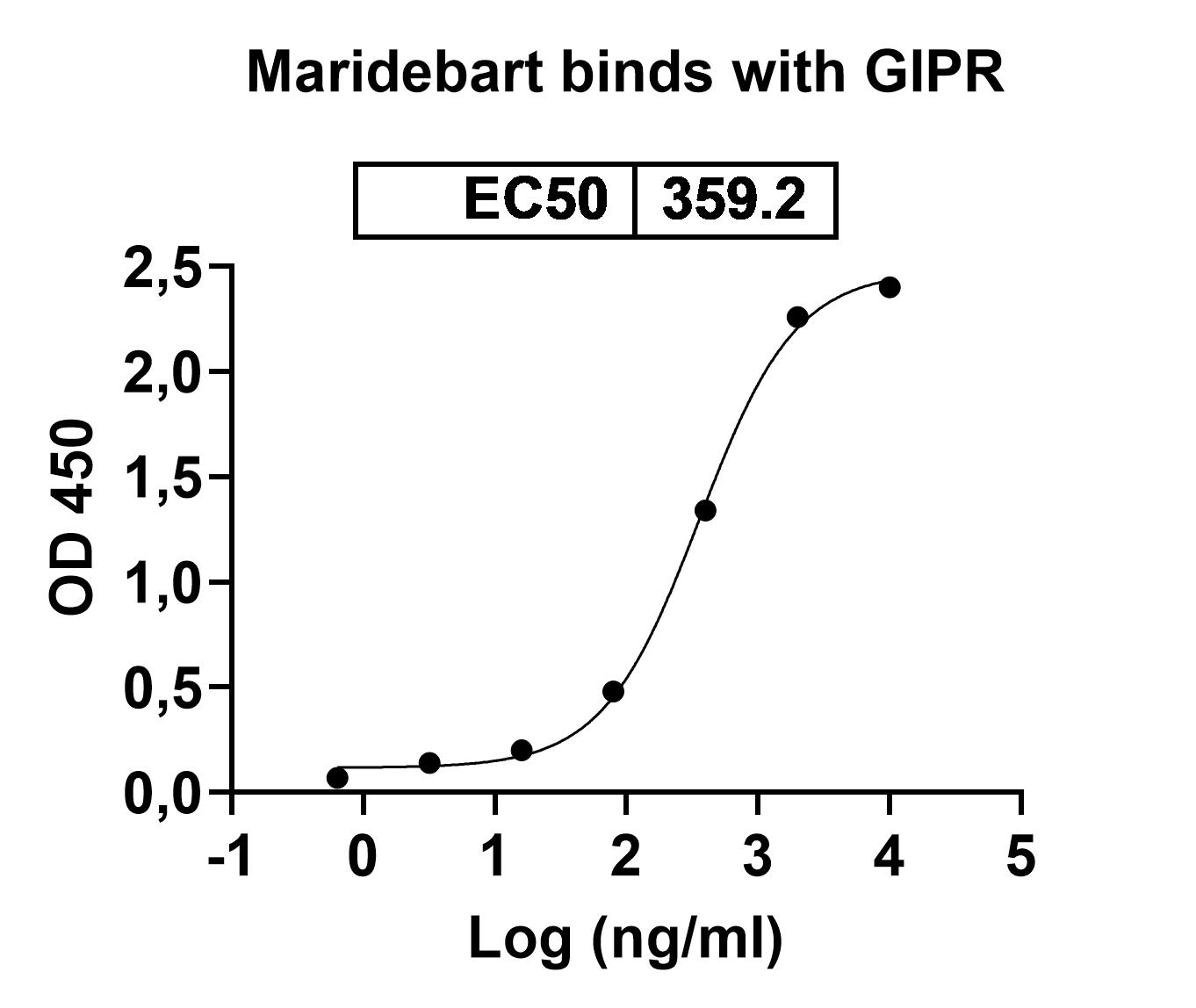
Maridebart Biosimilar specifically targets the GIPR, which is a G-protein coupled receptor (GPCR) found on the surface of various cells, including pancreatic beta cells, adipocytes, and hepatocytes. Upon binding to the GIPR, Maridebart Biosimilar inhibits the activity of GIP, a hormone that regulates insulin secretion and fat metabolism. This inhibition leads to decreased insulin secretion and increased fat breakdown, making Maridebart Biosimilar a potential therapeutic agent for type 2 diabetes and obesity.
Potential Applications of Maridebart Biosimilar:
1. Type 2 Diabetes:
Type 2 diabetes is a chronic metabolic disorder characterized by high blood sugar levels and insulin resistance. GIPR is known to play a crucial role in regulating insulin secretion. Maridebart Biosimilar, by inhibiting the activity of GIPR, can potentially improve insulin sensitivity and glycemic control in patients with type 2 diabetes.
2. Obesity:
Obesity is a major risk factor for various chronic diseases, including type 2 diabetes. GIPR is also involved in regulating fat metabolism. By inhibiting GIPR, Maridebart Biosimilar can promote fat breakdown and potentially aid in weight loss.
3. Other Metabolic Disorders:
GIPR is expressed in various tissues and organs, including the gastrointestinal tract, liver, and brain. This suggests that Maridebart Biosimilar may have potential applications in other metabolic disorders, such as non-alcoholic fatty liver disease and metabolic syndrome.
4. Research Tool:
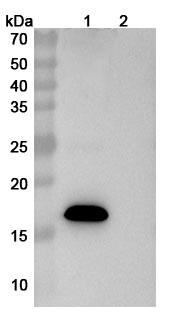
Maridebart Biosimilar can also serve as a valuable research tool for studying the role of GIPR in various diseases. Its specificity and high affinity for GIPR make it a suitable antibody for detecting and quantifying GIPR expression in different tissues and cell types.
Conclusion:
In summary, Maridebart Biosimilar is a promising research-grade antibody that specifically targets the GIPR. Its unique structure and activity make it a potential therapeutic agent for type 2 diabetes, obesity, and other metabolic disorders. Furthermore, it can also serve as a valuable research tool for studying the role of GIPR in various diseases. With ongoing research and clinical trials, Maridebart Biosimilar has the potential to make a significant impact in the field of metabolic disorders.
There are no reviews yet.