Introduction
Mazorelvimab Biosimilar, also known as Anti-G Glycoprotein mAb – Research Grade, is a monoclonal antibody that targets the G glycoprotein of the respiratory syncytial virus (RSV). It is a biosimilar of Mazorelvimab, a monoclonal antibody that was approved by the FDA for the treatment of RSV infection in children. This biosimilar version is currently in the research phase and shows promising potential as a therapeutic option for RSV infection.
Structure of Mazorelvimab Biosimilar
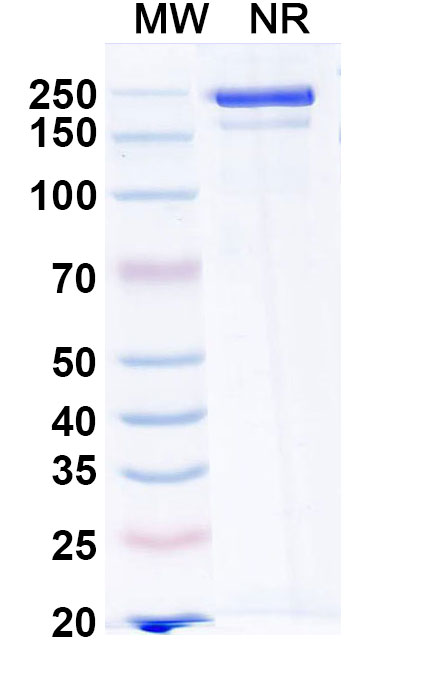
Mazorelvimab Biosimilar is a humanized monoclonal antibody, meaning that it is derived from human antibodies and has been modified to reduce immunogenicity. It is composed of two identical heavy chains and two identical light chains, each containing variable and constant regions. The variable regions are responsible for binding to the G glycoprotein of RSV, while the constant regions determine the antibody’s effector functions.
Activity of Mazorelvimab Biosimilar
The main activity of Mazorelvimab Biosimilar is to bind to the G glycoprotein of RSV and prevent the virus from infecting host cells. The G glycoprotein is a key component of the virus that allows it to attach to and enter host cells. By binding to the G glycoprotein, Mazorelvimab Biosimilar blocks this process and prevents the virus from replicating and spreading.
In addition to its direct antiviral activity, Mazorelvimab Biosimilar also has effector functions that help to eliminate RSV-infected cells. These include antibody-dependent cellular cytotoxicity (ADCC) and complement-dependent cytotoxicity (CDC). ADCC involves the binding of the antibody to infected cells, which then activates immune cells to kill the infected cells. CDC, on the other hand, involves the activation of the complement system, a group of proteins that can destroy cells by creating pores in their membranes.
Application of Mazorelvimab Biosimilar
The primary application of Mazorelvimab Biosimilar is in the treatment of RSV infection. RSV is a common respiratory virus that can cause serious illness, particularly in young children and older adults. Currently, there are limited treatment options for RSV infection, and Mazorelvimab Biosimilar has the potential to fill this gap.
In addition to its use as a therapeutic agent, Mazorelvimab Biosimilar can also be used in research settings to study the biology of RSV and develop new treatments. Its use as a research grade antibody allows for the production of large quantities for use in various experiments and assays.
Conclusion
In summary, Mazorelvimab Biosimilar is a promising monoclonal antibody that targets the G glycoprotein of RSV. Its structure, activity, and potential applications make it a valuable tool in the fight against RSV infection. As further research is conducted, Mazorelvimab Biosimilar may prove to be a valuable addition to the current treatment options for RSV.
There are no reviews yet.