Melredableukin Biosimilar: A Promising Antibody for Therapeutic Targeting Introduction
Melredableukin Biosimilar, also known as Anti-Non-Binding mAb – Research Grade, is a novel antibody that has shown great potential in the field of therapeutic targeting. This biosimilar is a replica of the original Melredableukin, a monoclonal antibody designed to target a specific protein. In this article, we will delve into the structure, activity, and potential applications of this biosimilar.
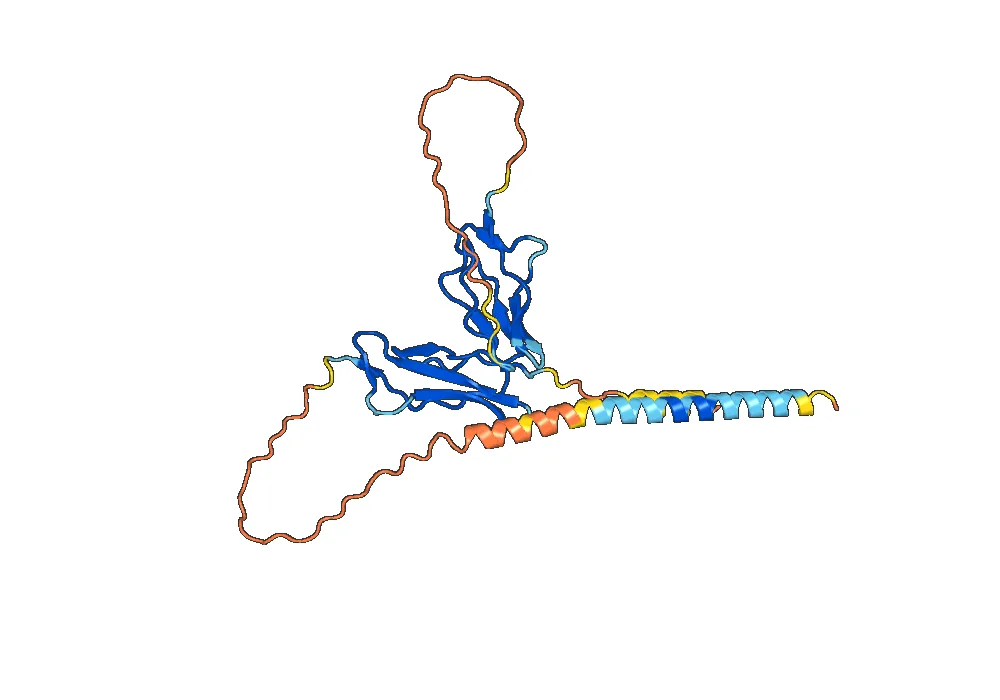
Structure of Melredableukin Biosimilar
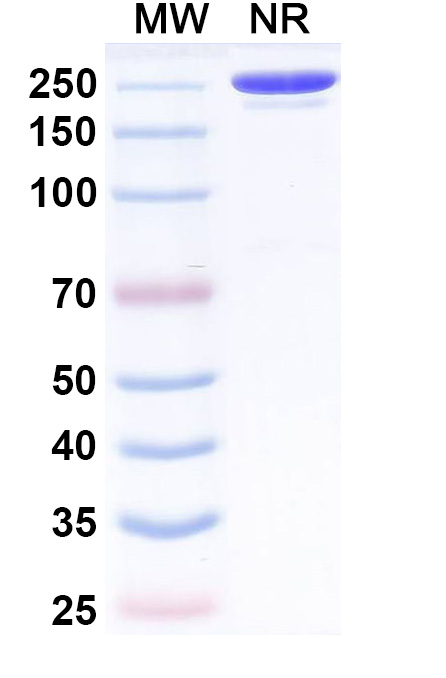
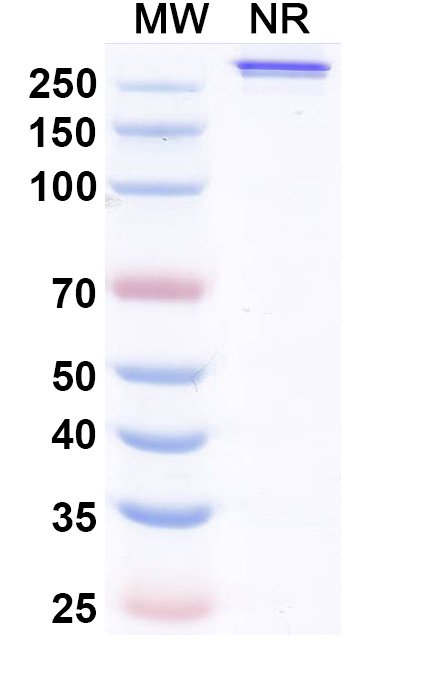
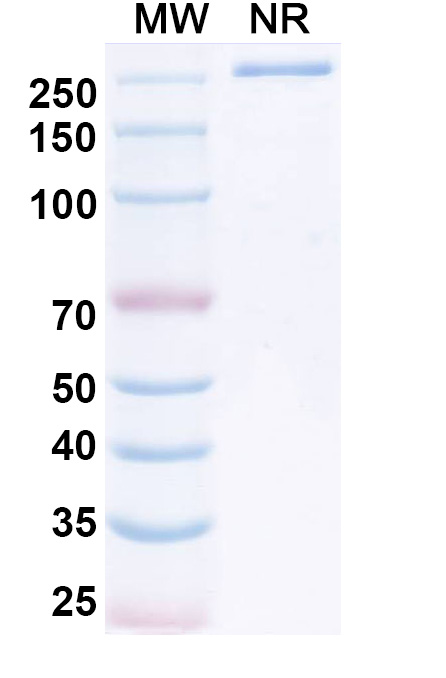
Melredableukin Biosimilar is a recombinant humanized monoclonal antibody with a molecular weight of approximately 150 kDa. It is composed of two heavy chains and two light chains, which are linked by disulfide bonds. The antibody has a Y-shaped structure, with two antigen-binding fragments (Fab) and one crystallizable fragment (Fc). The Fab regions are responsible for binding to the target protein, while the Fc region mediates effector functions such as antibody-dependent cellular cytotoxicity (ADCC) and complement-dependent cytotoxicity (CDC).
Activity of Melredableukin Biosimilar
Melredableukin Biosimilar is designed to target a specific protein, making it a highly specific and potent therapeutic agent. It binds to the target protein with high affinity, inhibiting its activity and preventing it from carrying out its functions. This leads to a cascade of downstream effects, ultimately resulting in the desired therapeutic outcome. Additionally, the Fc region of the antibody can activate the immune system to eliminate any cells that express the target protein, providing an added level of efficacy.
Applications of Melredableukin Biosimilar
The potential applications of Melredableukin Biosimilar are vast and diverse. It can be used as a therapeutic agent for a variety of diseases and conditions, including cancer, autoimmune disorders, and infectious diseases. In cancer, Melredableukin Biosimilar can target specific proteins that are overexpressed in cancer cells, inhibiting their growth and promoting cell death. This makes it a promising candidate for targeted cancer therapy. In autoimmune disorders, the antibody can target and neutralize autoantibodies or proteins involved in the pathogenesis of the disease, providing relief to patients. In infectious diseases, Melredableukin Biosimilar can bind to viral or bacterial proteins, preventing them from infecting host cells and aiding in the clearance of the pathogen.
Conclusion
Melredableukin Biosimilar is a highly promising antibody with a unique structure and potent activity. Its potential applications in various diseases make it a valuable tool in the field of therapeutic targeting. As research and development in this area continue to progress, we can expect to see Melredableukin Biosimilar being used in clinical settings to improve patient outcomes and quality of life.
There are no reviews yet.