Introduction
Mevonlerbart Biosimilar – Anti-Allergen FdI mAb – Research Grade is a novel biosimilar antibody that targets the allergen FdI, which is a major cause of allergic reactions. This biosimilar has been developed as a therapeutic option for individuals suffering from allergies, providing a more affordable and effective alternative to existing treatments. In this article, we will explore the structure, activity, and potential applications of Mevonlerbart Biosimilar – Anti-Allergen FdI mAb – Research Grade.
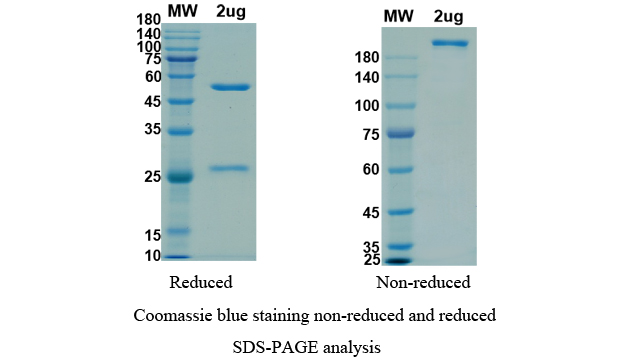
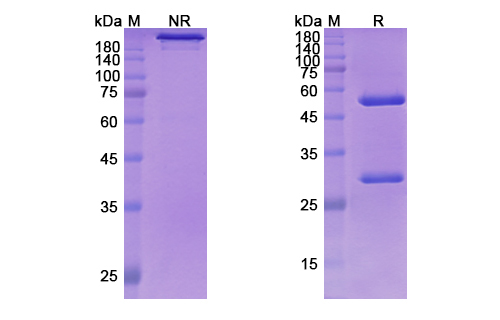
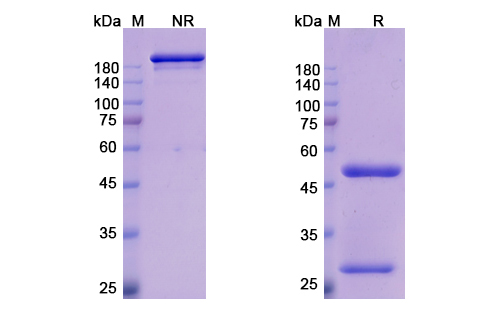
Structure of Mevonlerbart Biosimilar – Anti-Allergen FdI mAb – Research Grade Mevonlerbart Biosimilar – Anti-Allergen FdI mAb – Research Grade is a monoclonal antibody (mAb) that is produced through recombinant DNA technology. It is a biosimilar of an existing anti-allergen mAb and has been engineered to have a highly similar structure and function. The antibody consists of two identical heavy chains and two identical light chains, which are connected by disulfide bonds. The heavy chains contain a constant region and a variable region, while the light chains only have a variable region. The variable regions are responsible for binding to the allergen FdI, while the constant regions provide stability and effector functions.
Activity of Mevonlerbart Biosimilar – Anti-Allergen FdI mAb – Research Grade Mevonlerbart Biosimilar – Anti-Allergen FdI mAb – Research Grade works by binding to the allergen FdI and preventing it from causing an allergic reaction. FdI is a protein found in certain foods, such as wheat, soy, and peanuts, and is a common trigger for allergies. When an individual with an allergy to FdI consumes these foods, their immune system produces IgE antibodies that bind to FdI and trigger the release of histamine and other inflammatory mediators. This results in symptoms such as hives, itching, and difficulty breathing. Mevonlerbart Biosimilar – Anti-Allergen FdI mAb – Research Grade binds to FdI and blocks its interaction with IgE, preventing the release of inflammatory mediators and reducing the severity of allergic reactions.
Potential Applications of Mevonlerbart Biosimilar – Anti-Allergen FdI mAb – Research Grade Mevonlerbart Biosimilar – Anti-Allergen FdI mAb – Research Grade has the potential to be used in various clinical settings for the treatment of allergies. It can be administered as a subcutaneous injection or intravenous infusion, depending on the severity of the allergy. This biosimilar can be used as a standalone treatment for individuals with mild to moderate allergies, or in combination with other therapies for those with severe allergies. It may also be used as a prophylactic treatment for individuals who are at risk of severe allergic reactions, such as those with a history of anaphylaxis.
Advantages of Mevonlerbart Biosimilar – Anti-Allergen FdI mAb – Research Grade Mevonlerbart Biosimilar – Anti-Allergen FdI mAb – Research Grade offers several advantages over existing anti-allergen therapies. Firstly, it is a biosimilar, which means it has a highly similar structure and function to an existing mAb, but at a lower cost. This makes it more accessible to individuals who may not be able to afford the current treatments. Additionally, as a monoclonal antibody, it has a high specificity for FdI and does not interact with other proteins, reducing the risk of side effects. It also has a longer half-life compared to other anti-allergen therapies, allowing for less frequent dosing.
Conclusion
In summary, Mevonlerbart Biosimilar – Anti-Allergen FdI mAb – Research Grade is a novel biosimilar antibody that targets the allergen FdI for the treatment of allergies. Its structure consists of two heavy chains and two light chains, and it works by binding to FdI and preventing it from causing allergic reactions.

There are no reviews yet.