Introduction
Mirococept Biosimilar, also known as Anti-C3 fusion protein, is a novel therapeutic agent that has been developed as a biosimilar to the original Mirococept protein. This fusion protein is a promising new addition to the field of immunotherapy, specifically targeting the complement system. In this article, we will discuss the structure, activity, and potential applications of Mirococept Biosimilar in detail.
Structure of Mirococept Biosimilar
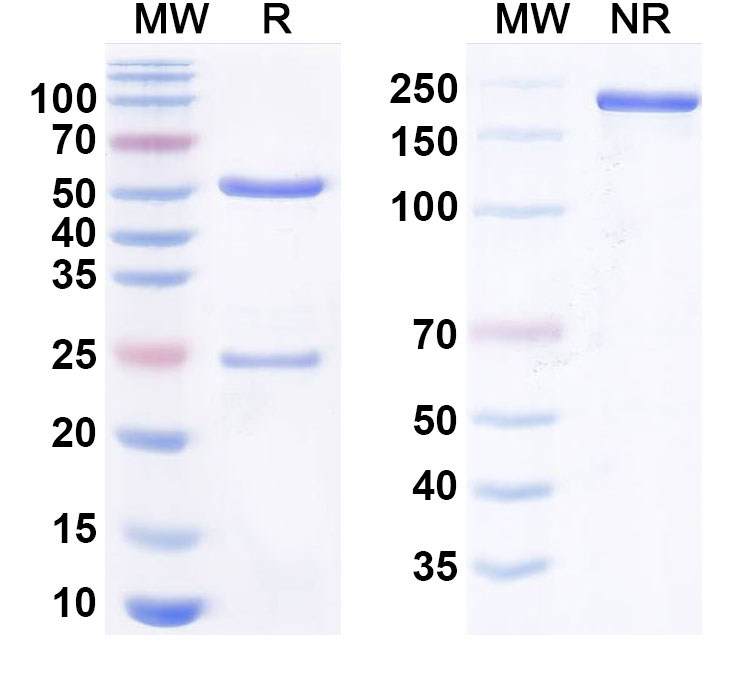
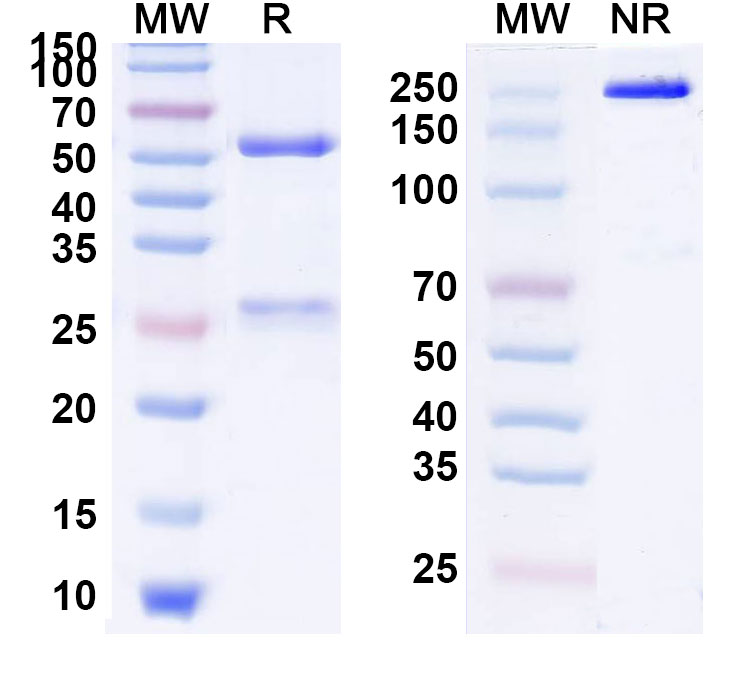
Mirococept Biosimilar is a fusion protein composed of two distinct protein domains – the C3-binding domain of the original Mirococept protein and the Fc region of human immunoglobulin G1 antibody. The C3-binding domain is responsible for the specific binding of Mirococept Biosimilar to the complement protein C3, while the Fc region provides stability and prolongs the half-life of the fusion protein in the body.
Activity of Mirococept Biosimilar
Mirococept Biosimilar exerts its activity by targeting the complement protein C3. The complement system is a crucial part of the innate immune response, responsible for identifying and eliminating foreign pathogens and damaged cells. However, in certain diseases, the complement system can become overactive and cause tissue damage. This is where Mirococept Biosimilar comes into play – by binding to C3, it inhibits the activation of the complement system, thereby reducing tissue damage and inflammation.
Inhibition of C3 activation
Mirococept Biosimilar binds to C3 with high affinity, preventing its cleavage into C3a and C3b fragments. This, in turn, inhibits the formation of the C5 convertase complex, which is responsible for the downstream activation of the complement system. By blocking this crucial step, Mirococept Biosimilar effectively suppresses the entire complement cascade.
Modulation of inflammatory response
In addition to its inhibitory effect on the complement system, Mirococept Biosimilar also has anti-inflammatory properties. It has been shown to reduce the production of pro-inflammatory cytokines, such as TNF-α and IL-6, and promote the production of anti-inflammatory cytokines, such as IL-10. This modulation of the inflammatory response further contributes to the therapeutic potential of Mirococept Biosimilar.
Applications of Mirococept Biosimilar
Mirococept Biosimilar has shown promising results in preclinical studies and is currently being evaluated in clinical trials for various indications. Some of the potential applications of Mirococept Biosimilar are discussed below.
Treatment of autoimmune diseases
Autoimmune diseases, such as rheumatoid arthritis, systemic lupus erythematosus, and multiple sclerosis, are characterized by an overactive immune response, leading to tissue damage. Mirococept Biosimilar’s ability to inhibit the complement system and modulate the inflammatory response makes it a promising candidate for the treatment of these diseases.
Prevention of transplant rejection Transplant rejection is a major challenge in organ transplantation. The complement system plays a crucial role in the rejection process by initiating an immune response against the transplanted organ. By inhibiting the complement system, Mirococept Biosimilar can potentially prevent transplant rejection and improve the success rate of organ transplantation.
Treatment of age-related macular degeneration
Age-related macular degeneration (AMD) is a leading cause of vision loss in the elderly population. In AMD, the complement system is overactivated, leading to damage of the retinal cells. Mirococept Biosimilar’s ability to inhibit the complement system makes it a promising therapeutic option for the treatment of AMD.
Research grade applications
Apart from its potential therapeutic applications, Mirococept Biosimilar also has research-grade applications. It can be used as a tool to study the role of the complement system in various diseases and to develop new therapies targeting the complement system.
Conclusion
In


There are no reviews yet.