Introduction to Mouse CD268/BAFFR HEK293T Stable Cell Line
Mouse CD268/BAFFR HEK293T stable cell line is a valuable tool for studying the structure, activity, and application of the BAFF receptor (BAFFR) in mouse models. This cell line is derived from human embryonic kidney (HEK) 293T cells and stably expresses the mouse BAFFR protein. BAFFR is a member of the tumor necrosis factor (TNF) receptor superfamily and plays a crucial role in regulating B cell survival and maturation. In this article, we will discuss the structure, activity, and potential applications of this stable cell line.
Structure of Mouse CD268/BAFFR HEK293T Stable Cell Line
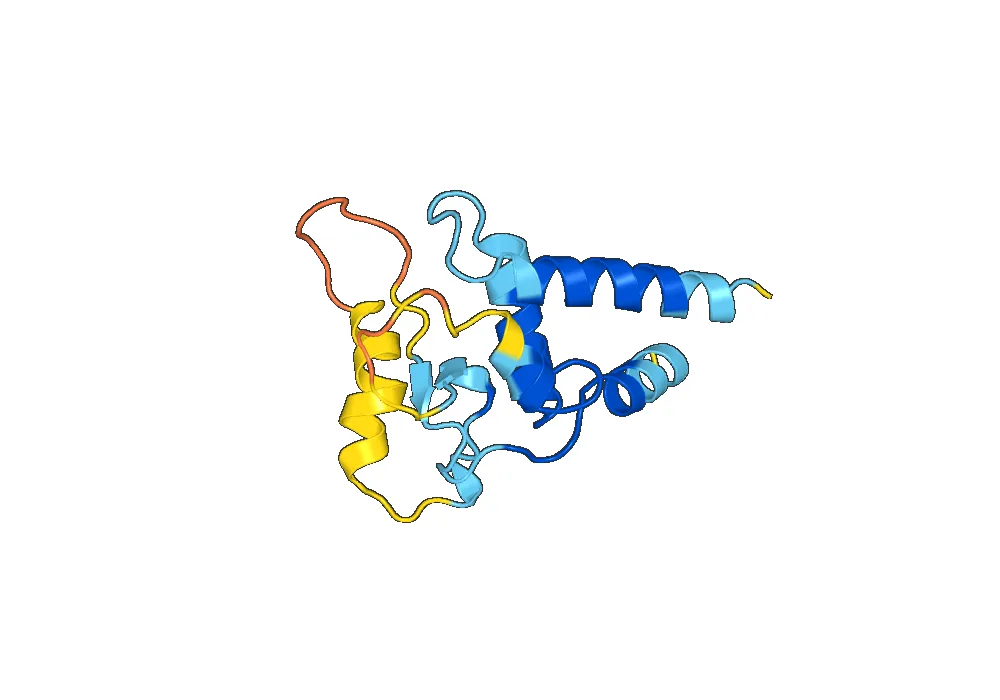
The Mouse CD268/BAFFR HEK293T stable cell line is a genetically modified cell line that has been engineered to express the mouse BAFFR protein. The BAFFR protein is a type III transmembrane protein that consists of 184 amino acids and has a molecular weight of approximately 21 kDa. It contains a cysteine-rich domain, a transmembrane domain, and a cytoplasmic domain. The cysteine-rich domain is responsible for binding to its ligand, BAFF, which is a cytokine that promotes B cell survival and maturation. The transmembrane domain anchors the protein to the cell membrane, and the cytoplasmic domain contains signaling motifs that activate downstream signaling pathways upon ligand binding.
Activity of Mouse CD268/BAFFR HEK293T Stable Cell Line
The main activity of the Mouse CD268/BAFFR HEK293T stable cell line is to serve as a model system for studying the function of BAFFR in mouse B cells. BAFFR is expressed on the surface of B cells and plays a critical role in their survival, activation, and differentiation. Upon binding to its ligand, BAFF, BAFFR activates various signaling pathways, including the NF-κB and PI3K pathways, which promote B cell survival and proliferation. The Mouse CD268/BAFFR HEK293T stable cell line can be used to study the mechanisms of BAFFR signaling and its role in B cell biology.
Additionally, this stable cell line can be used to screen for potential therapeutic agents that target BAFFR. Dysregulation of the BAFF/BAFFR signaling pathway has been implicated in various autoimmune diseases, including systemic lupus erythematosus, rheumatoid arthritis, and Sjögren’s syndrome. Therefore, understanding the activity of BAFFR and its role in autoimmune diseases can aid in the development of novel therapies.
Applications of Mouse CD268/BAFFR HEK293T Stable Cell Line
The Mouse CD268/BAFFR HEK293T stable cell line has several potential applications in research and drug discovery. One of the main applications is in studying the function of BAFFR in B cell biology. This stable cell line can be used to investigate the role of BAFFR in B cell development, survival, and activation. It can also be used to study the downstream signaling pathways activated by BAFFR and their contribution to B cell function.
Moreover, the Mouse CD268/BAFFR HEK293T stable cell line can be used in drug discovery to screen for potential therapeutic agents that target BAFFR. By using this stable cell line, researchers can test the efficacy and specificity of various compounds in inhibiting BAFFR signaling. This can aid in the development of novel treatments for autoimmune diseases that target the BAFF/BAFFR pathway.
Flow Cytometry Analysis of Mouse CD268/BAFFR HEK293T Stable Cell Line
Flow cytometry is a powerful technique that allows for the detection and quantification of specific cell surface markers.


There are no reviews yet.