Introduction
Avalglucosidase alfa Biosimilar, also known as Anti-M6P enzyme, is a therapeutic antibody that has been developed as a biosimilar to the enzyme alglucosidase alfa. This biosimilar is designed to mimic the structure and function of the original enzyme, making it a promising therapeutic option for individuals with Pompe disease. In this article, we will explore the structure, activity, and potential applications of Avalglucosidase alfa Biosimilar.
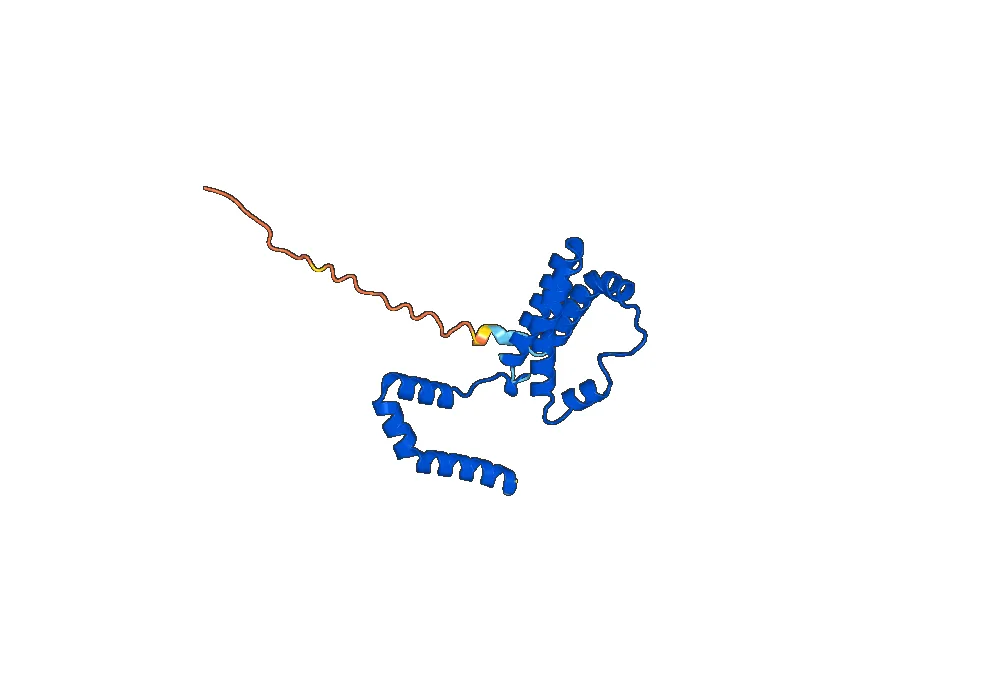
Structure of Avalglucosidase alfa Biosimilar
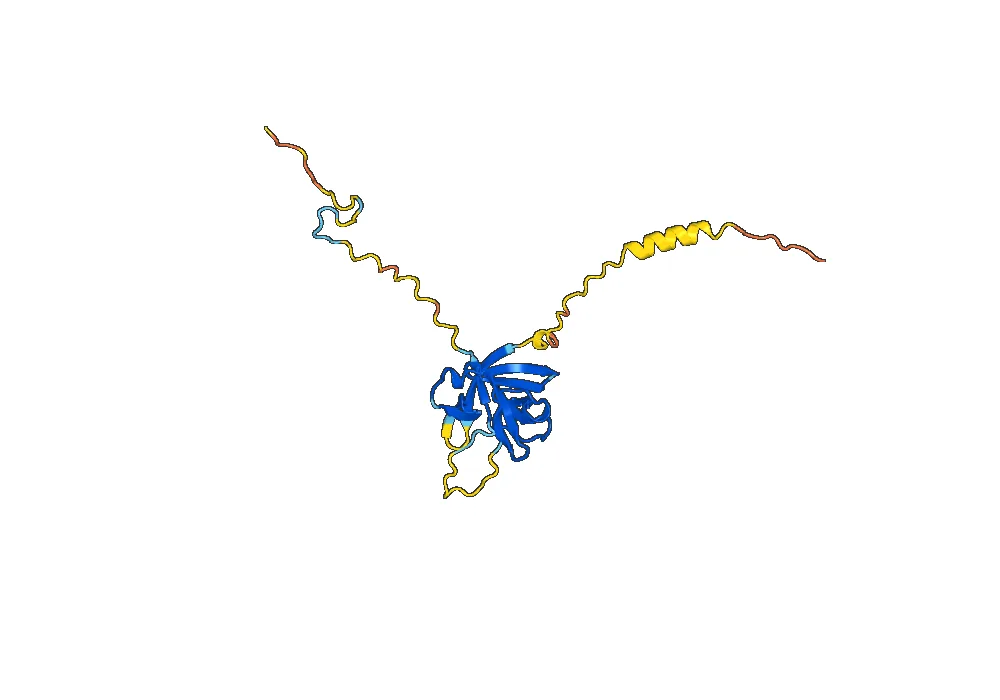
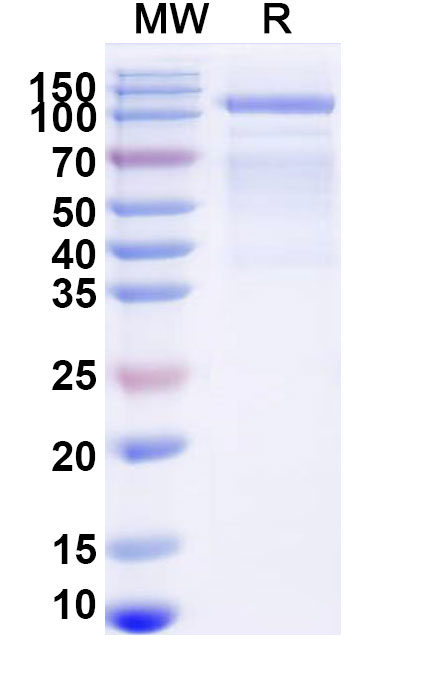
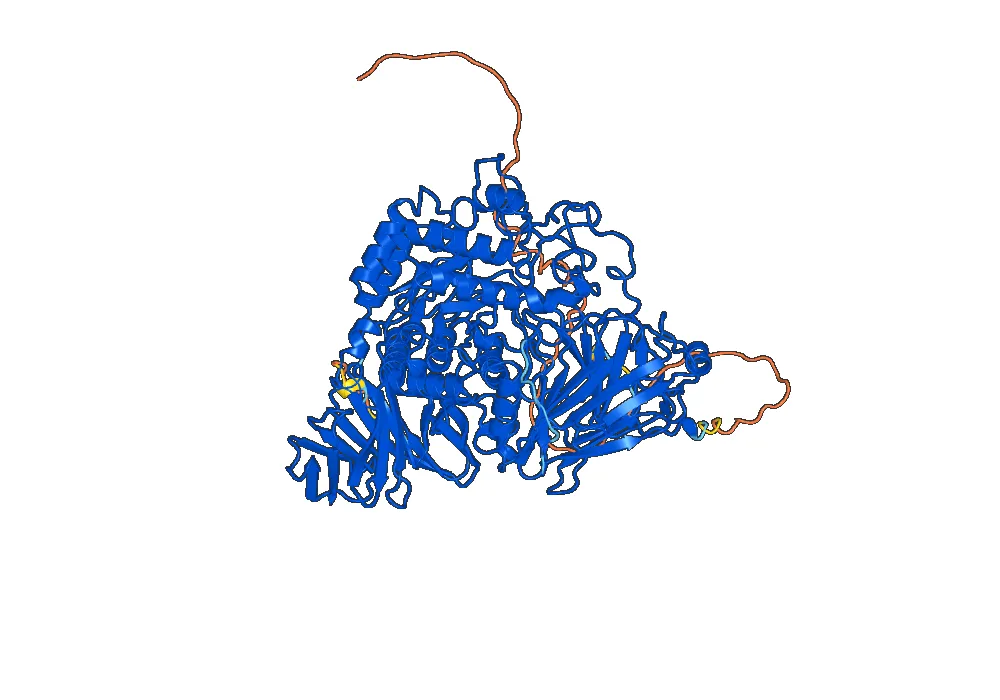
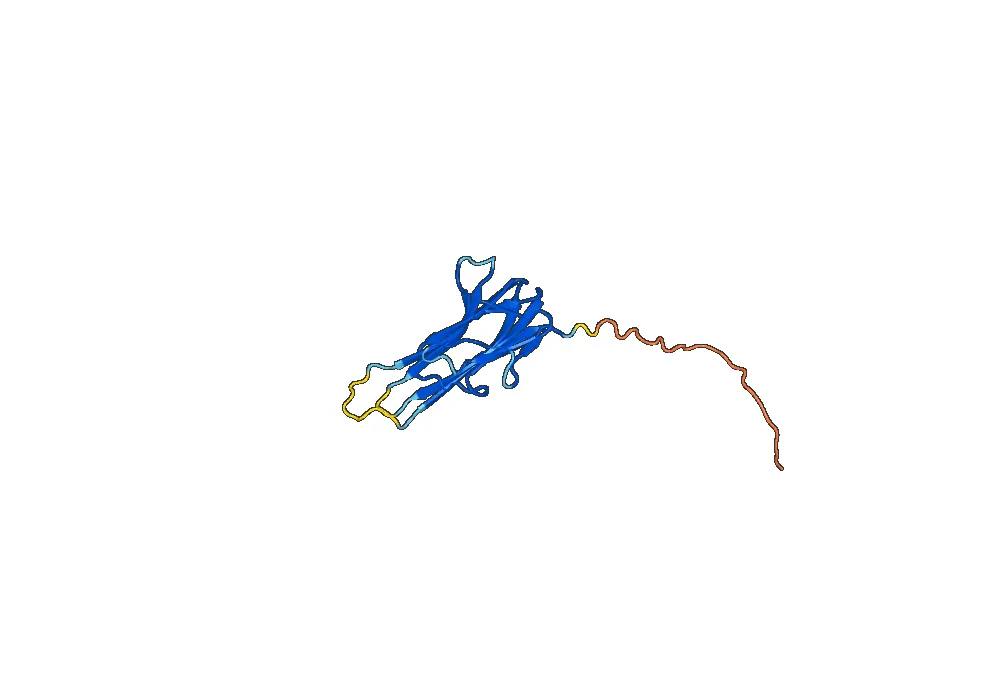
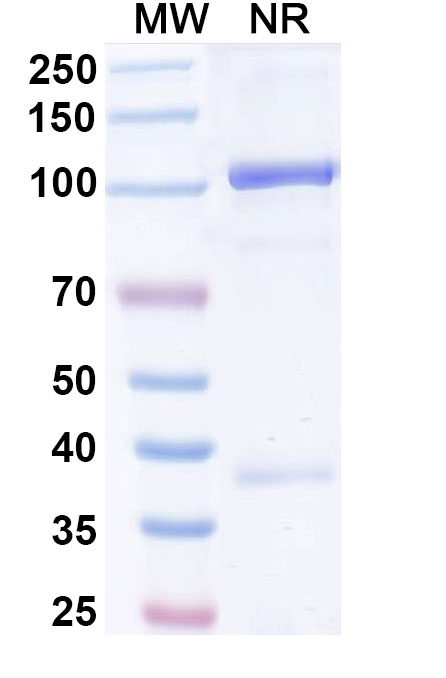
Avalglucosidase alfa Biosimilar is a recombinant monoclonal antibody that is produced in a mammalian cell expression system. It consists of two identical heavy chains and two identical light chains, each with a molecular weight of approximately 150 kDa. The heavy chains are composed of 450 amino acids, while the light chains are composed of 214 amino acids.
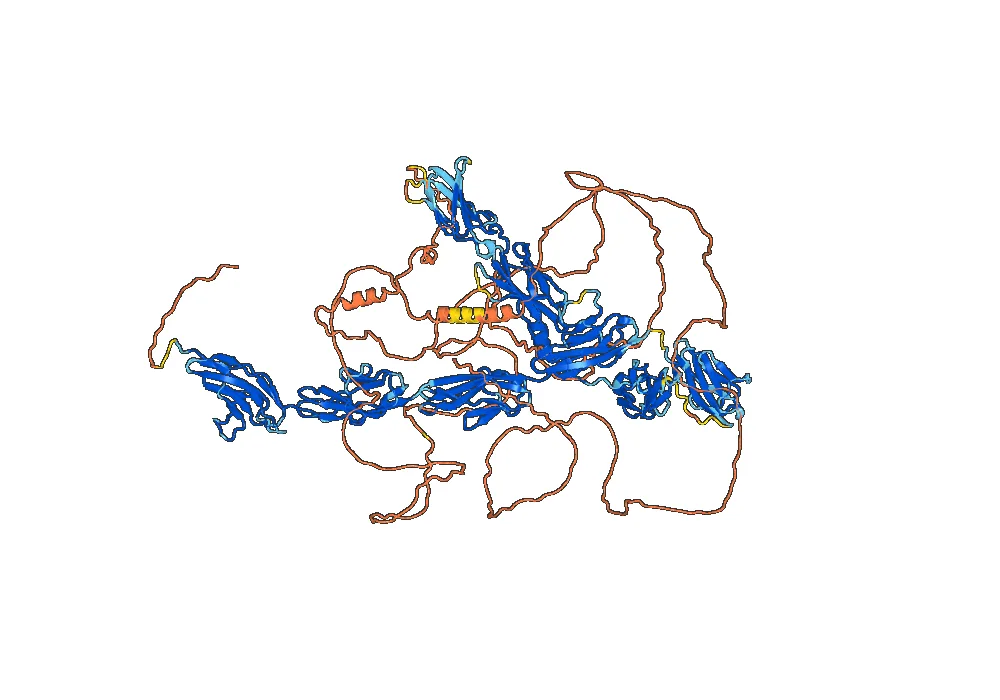
The antibody structure is similar to that of the original enzyme, with a three-dimensional structure that allows it to bind to the target enzyme, alpha-glucosidase, with high specificity. This binding is essential for the activity of the antibody and its ability to act as a therapeutic agent.
Activity of Avalglucosidase alfa Biosimilar
Avalglucosidase alfa Biosimilar is a potent inhibitor of alpha-glucosidase, the enzyme responsible for breaking down glycogen in the lysosomes of cells. In individuals with Pompe disease, a genetic mutation leads to a deficiency of this enzyme, resulting in the accumulation of glycogen in various tissues and organs. This buildup of glycogen can cause severe symptoms, including muscle weakness, respiratory problems, and heart failure.
By inhibiting the activity of alpha-glucosidase, Avalglucosidase alfa Biosimilar can help break down the accumulated glycogen, reducing the severity of symptoms and improving the overall health of individuals with Pompe disease. This activity has been demonstrated in preclinical studies, where the biosimilar has shown similar efficacy to the original enzyme.
Therapeutic Target of Avalglucosidase alfa Biosimilar
The therapeutic target of Avalglucosidase alfa Biosimilar is alpha-glucosidase, a lysosomal enzyme that is responsible for breaking down glycogen into glucose. This enzyme is found in various tissues and organs, including skeletal muscles, heart, and liver. In individuals with Pompe disease, mutations in the gene that codes for this enzyme lead to a deficiency, resulting in the buildup of glycogen and the development of symptoms.
Avalglucosidase alfa Biosimilar acts as a therapeutic agent by binding to alpha-glucosidase and inhibiting its activity. This allows the enzyme to break down the accumulated glycogen, reducing its levels and improving the symptoms of Pompe disease.
Applications of Avalglucosidase alfa Biosimilar
Avalglucosidase alfa Biosimilar has the potential to be used as a treatment for Pompe disease, a rare genetic disorder with limited treatment options. This biosimilar offers a more affordable and accessible option for individuals with this condition, as it is a more cost-effective alternative to the original enzyme.
In addition to its therapeutic applications, Avalglucosidase alfa Biosimilar can also be used as a research tool to study the role of alpha-glucosidase in various diseases and to develop new treatments for conditions that involve glycogen accumulation.
Conclusion
In summary, Avalglucosidase alfa Biosimilar is a promising therapeutic antibody that acts as a biosimilar to the enzyme alglucosidase alfa. Its structure mimics that of the original enzyme, and it has been shown to have similar activity in inhibiting alpha-glucosidase. This biosimilar has the potential to be used as a treatment for Pompe disease, providing a more affordable and accessible option for individuals with this condition. It also has potential applications in

There are no reviews yet.