Introduction
Peresolimab Biosimilar, also known as Anti-PDCD1 mAb, is a research grade antibody that targets the programmed cell death protein 1 (PDCD1) pathway. This pathway plays a crucial role in regulating the immune response and has been identified as a therapeutic target for various diseases. In this article, we will discuss the structure, activity, and potential applications of Peresolimab Biosimilar.
Structure of Peresolimab Biosimilar
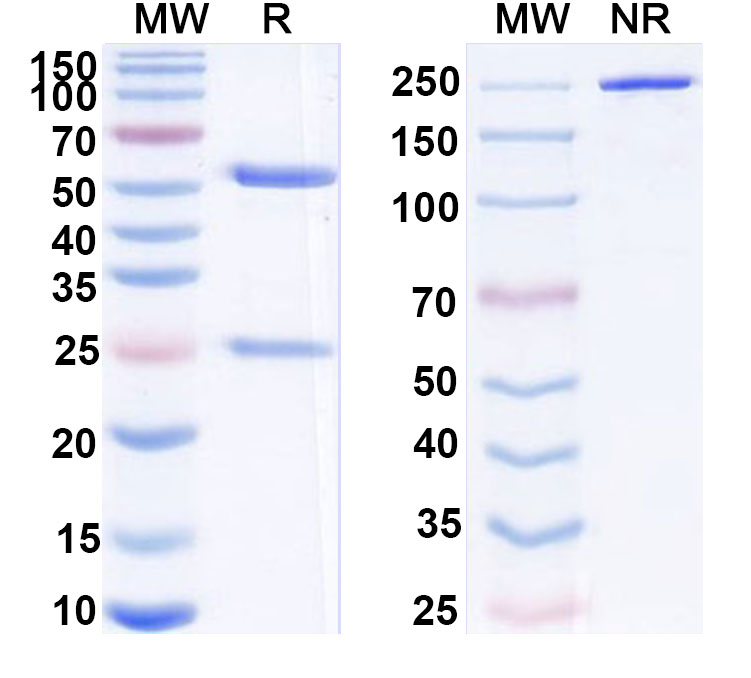
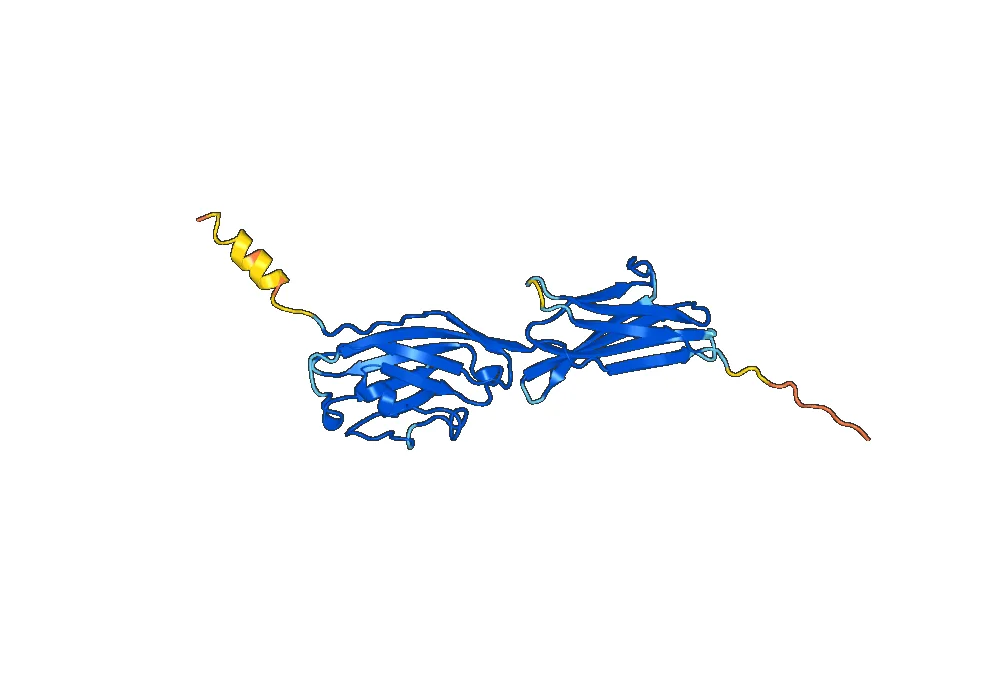
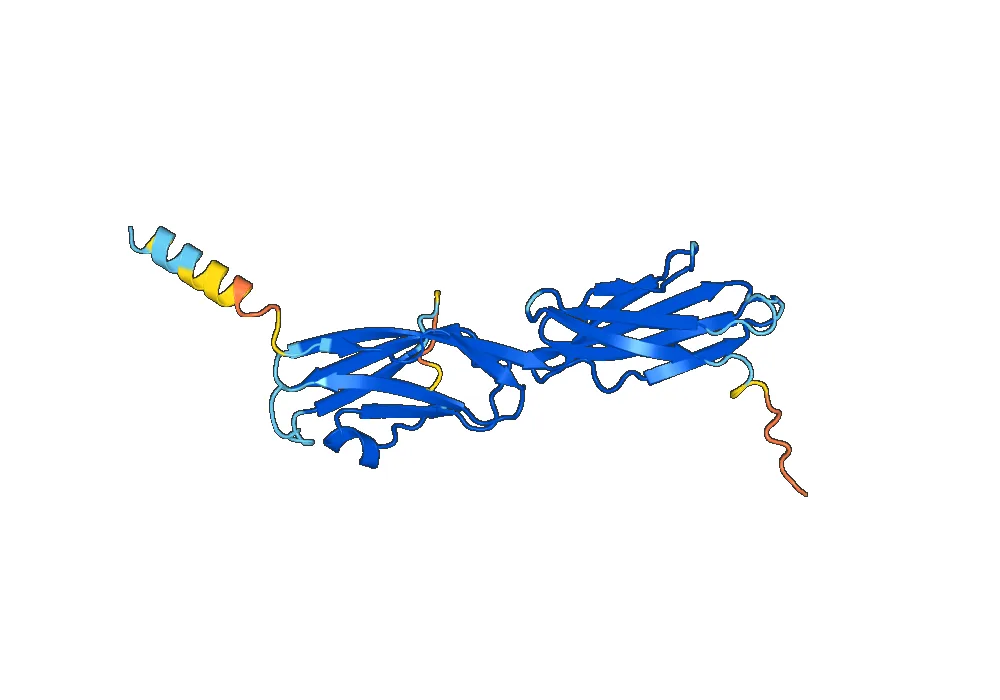
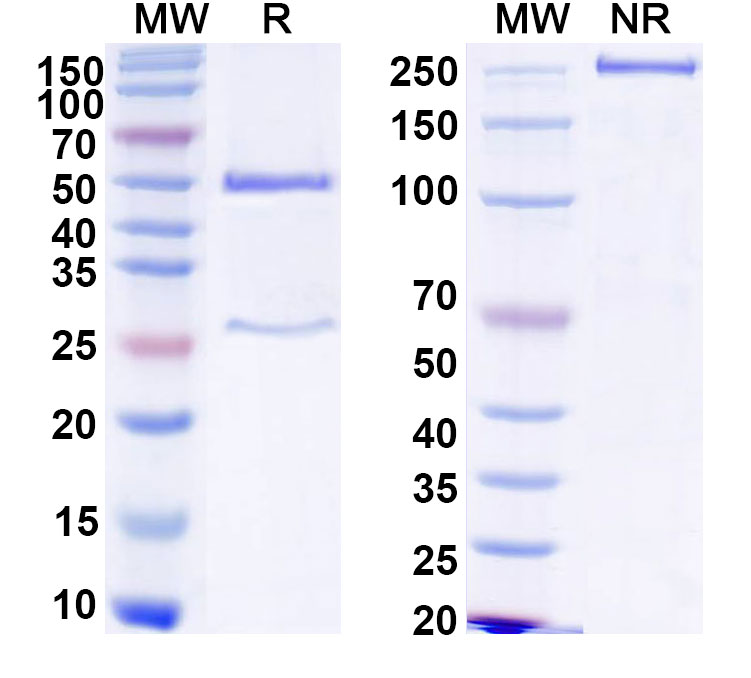
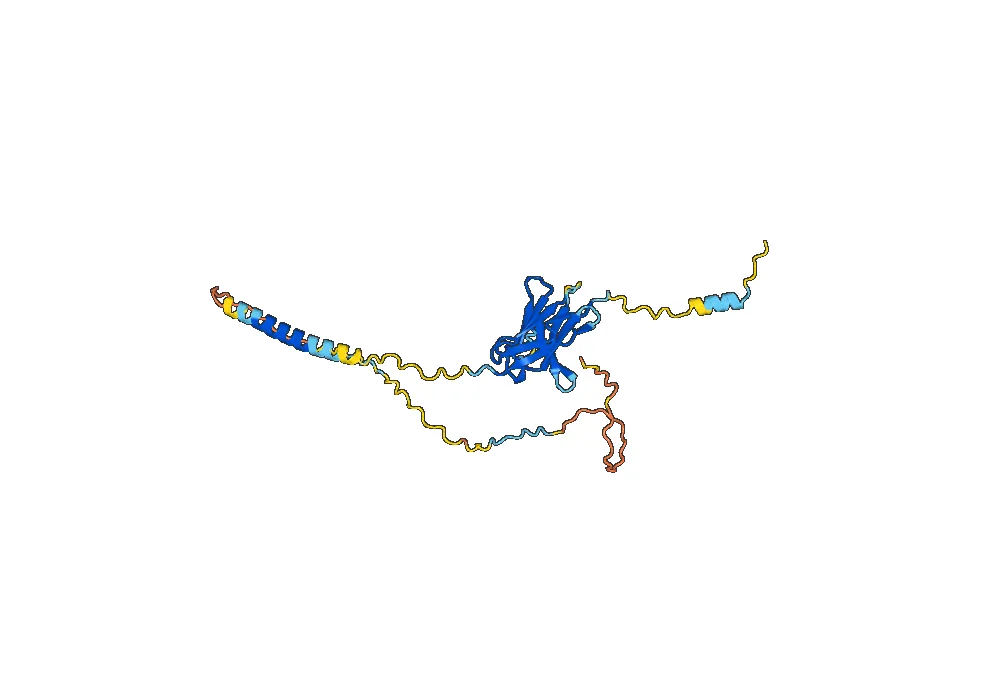
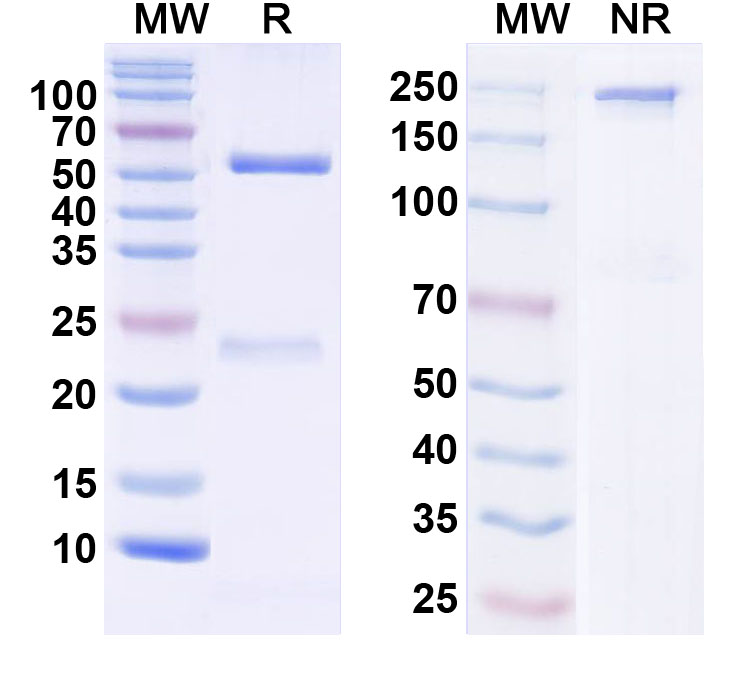
Peresolimab Biosimilar is a monoclonal antibody, meaning it is derived from a single clone of immune cells. It is a biosimilar, which means it is highly similar to an already approved antibody, in this case, pembrolizumab. The structure of Peresolimab Biosimilar is similar to that of pembrolizumab, with a human IgG4 backbone and a variable region that specifically binds to PDCD1.
Activity of Peresolimab Biosimilar
Peresolimab Biosimilar works by binding to PDCD1, a protein found on the surface of T cells, B cells, and natural killer cells. PDCD1 acts as a checkpoint for the immune response, preventing the cells from attacking healthy tissues. However, in certain diseases, such as cancer, this checkpoint can be exploited by tumor cells to evade the immune system. By binding to PDCD1, Peresolimab Biosimilar blocks this checkpoint and allows the immune cells to attack and destroy cancer cells.
Applications of Peresolimab Biosimilar
Peresolimab Biosimilar has shown promising results in clinical trials for various types of cancer, including melanoma, non-small cell lung cancer, and head and neck cancer. It has also been investigated for its potential in treating autoimmune diseases, such as rheumatoid arthritis and multiple sclerosis. Additionally, Peresolimab Biosimilar has been studied in combination with other therapies, such as chemotherapy and radiation, to enhance its anti-tumor effects.
Peresolimab Biosimilar in
Cancer Treatment
The most significant application of Peresolimab Biosimilar is in cancer treatment. By targeting the PDCD1 pathway, it can unleash the body’s immune system to fight against cancer cells. In clinical trials, Peresolimab Biosimilar has shown promising results in patients with advanced melanoma, with a significant increase in overall survival compared to standard chemotherapy. It has also shown efficacy in other types of cancer, such as non-small cell lung cancer and head and neck cancer.
Combination Therapy with Peresolimab Biosimilar
Combining Peresolimab Biosimilar with other therapies has shown even more promising results. In a study of patients with advanced melanoma, the combination of Peresolimab Biosimilar and chemotherapy resulted in a higher response rate and longer progression-free survival compared to chemotherapy alone. Similarly, combining Peresolimab Biosimilar with radiation therapy has shown improved outcomes in patients with head and neck cancer.
Potential Applications in Autoimmune Diseases
The PDCD1 pathway is also involved in regulating the immune response in autoimmune diseases. By targeting this pathway, Peresolimab Biosimilar has the potential to treat diseases such as rheumatoid arthritis and multiple sclerosis. Clinical trials are ongoing to evaluate the efficacy and safety of Peresolimab Biosimilar in these diseases.
Conclusion
Peresolimab Biosimilar, also known as Anti-PDCD1 mAb, is a research grade antibody that targets the PDCD1 pathway. Its structure is similar to that of pembrolizumab, and it works by blocking the PDCD1 checkpoint to unleash the body’s immune response against cancer cells. It has shown promising results in clinical trials for various types of cancer and has the potential to be used in combination with other therapies. Additionally, Peresolimab Biosimilar may have applications in treating autoimmune diseases. Further research and clinical trials are needed to fully understand the potential of Peresolimab Biosimilar in various diseases.



There are no reviews yet.