Introduction to Prolgolimab Biosimilar – A Promising Anti-PDCD1, PD1, CD279 Antibody for Research Prolgolimab Biosimilar, also known as Anti-PDCD1, PD1, CD279 mAb, is a novel antibody that has shown great potential in the field of immunotherapy. This biosimilar is designed to target and inhibit the activity of PDCD1 (Programmed Cell Death 1), also known as PD1, which is a key immune checkpoint protein involved in regulating the immune response. In this article, we will provide a scientific overview of the structure, activity, and potential applications of Prolgolimab Biosimilar, highlighting its role as a therapeutic target in various diseases.
Structure of Prolgolimab Biosimilar
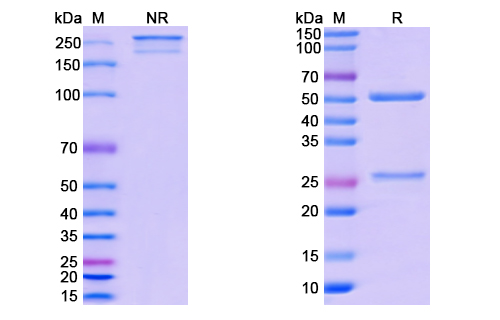
Prolgolimab Biosimilar is a monoclonal antibody, meaning it is produced from a single type of immune cell. It is a recombinant antibody, which means it is produced through genetic engineering techniques. The antibody is composed of two heavy chains and two light chains, and it belongs to the immunoglobulin G (IgG) class. The heavy chains are responsible for binding to the target protein, while the light chains provide structural support. Prolgolimab Biosimilar has a molecular weight of approximately 150 kDa and is highly specific for its target.
Activity of Prolgolimab Biosimilar
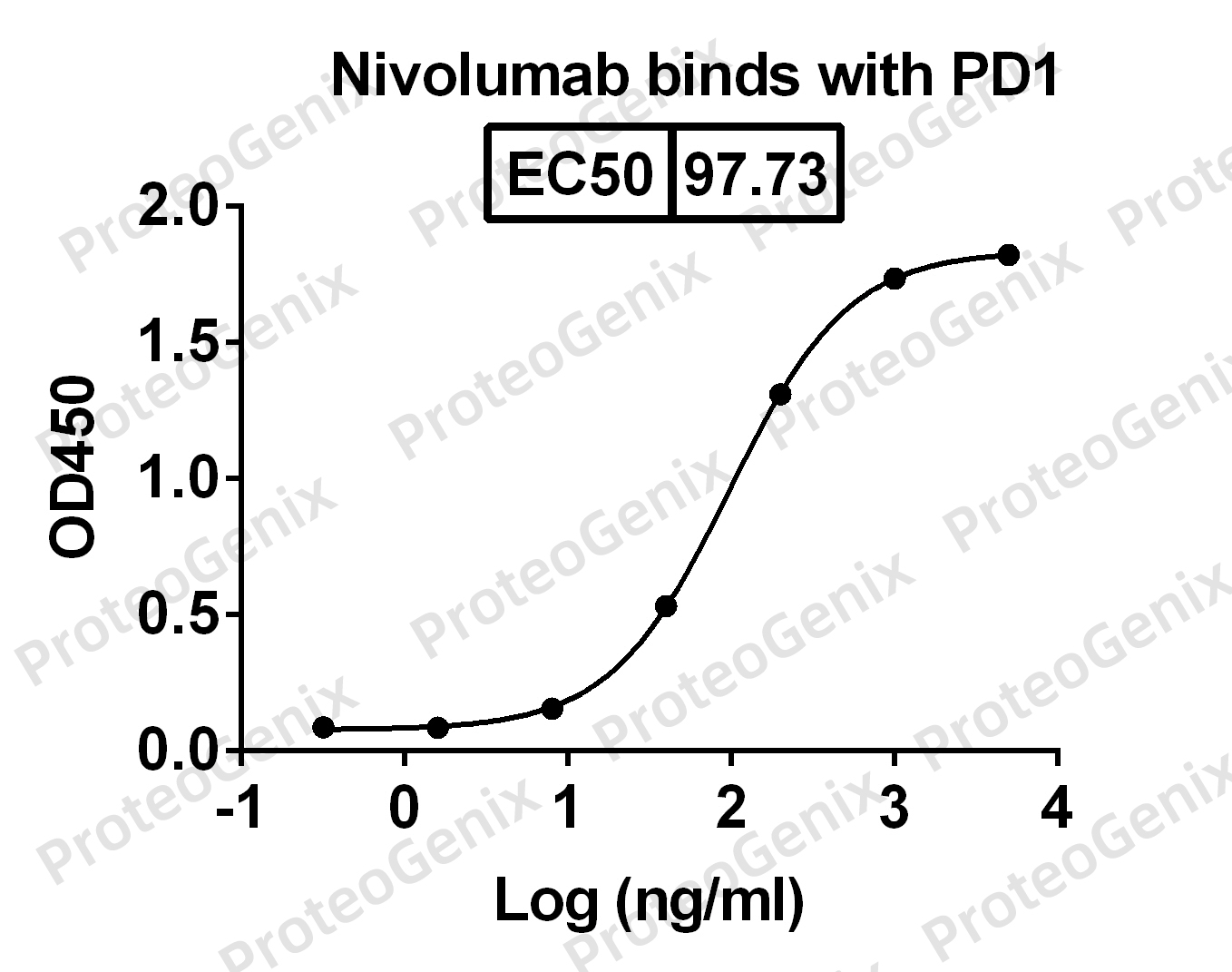
Prolgolimab Biosimilar is a potent inhibitor of PDCD1, also known as PD1. PDCD1 is a receptor found on the surface of immune cells, such as T cells, B cells, and natural killer cells. When activated, PDCD1 suppresses the immune response, allowing the body to maintain self-tolerance and prevent autoimmune reactions. However, in certain diseases, such as cancer, PDCD1 can be hijacked by tumor cells to evade immune detection and destruction. Prolgolimab Biosimilar blocks the interaction between PDCD1 and its ligands, PD-L1 and PD-L2, thereby preventing the immune suppression and allowing the immune system to attack cancer cells.
Applications of Prolgolimab Biosimilar
Prolgolimab Biosimilar has shown promising results in preclinical studies and is currently being evaluated in clinical trials for the treatment of various cancers, including lung cancer, melanoma, and lymphoma. In addition to cancer, Prolgolimab Biosimilar is also being investigated for its potential in treating autoimmune diseases, such as rheumatoid arthritis and multiple sclerosis. The antibody has also shown potential in preventing organ rejection in transplant patients by suppressing the immune response against the transplanted organ.
Advantages of Prolgolimab Biosimilar
One of the major advantages of Prolgolimab Biosimilar is its specificity for PDCD1, which minimizes off-target effects and reduces the risk of adverse reactions. The antibody has also shown a favorable safety profile in preclinical studies and clinical trials, making it a promising candidate for future therapeutic use. Additionally, Prolgolimab Biosimilar has a long half-life, allowing for less frequent dosing and potentially improving patient compliance.
Conclusion
In conclusion, Prolgolimab Biosimilar is a promising antibody with a unique mechanism of action targeting PDCD1. Its high specificity, favorable safety profile, and potential applications in various diseases make it a valuable therapeutic target. Ongoing clinical trials will provide further insights into the efficacy and safety of this biosimilar, and if successful, it could potentially revolutionize the treatment of cancer and autoimmune diseases.


There are no reviews yet.