Introduction
Recombinant Bacteriophage Lambda Serine/threonine-protein phosphatase Protein, also known as λ-PPase, is a protein that plays a crucial role in the regulation of cellular processes such as cell division, metabolism, and signal transduction. This protein is derived from the bacteriophage Lambda, a virus that infects bacteria, and has been extensively studied for its potential applications in biotechnology and medicine.
Structure of Recombinant Bacteriophage Lambda Serine/threonine-protein phosphatase Protein
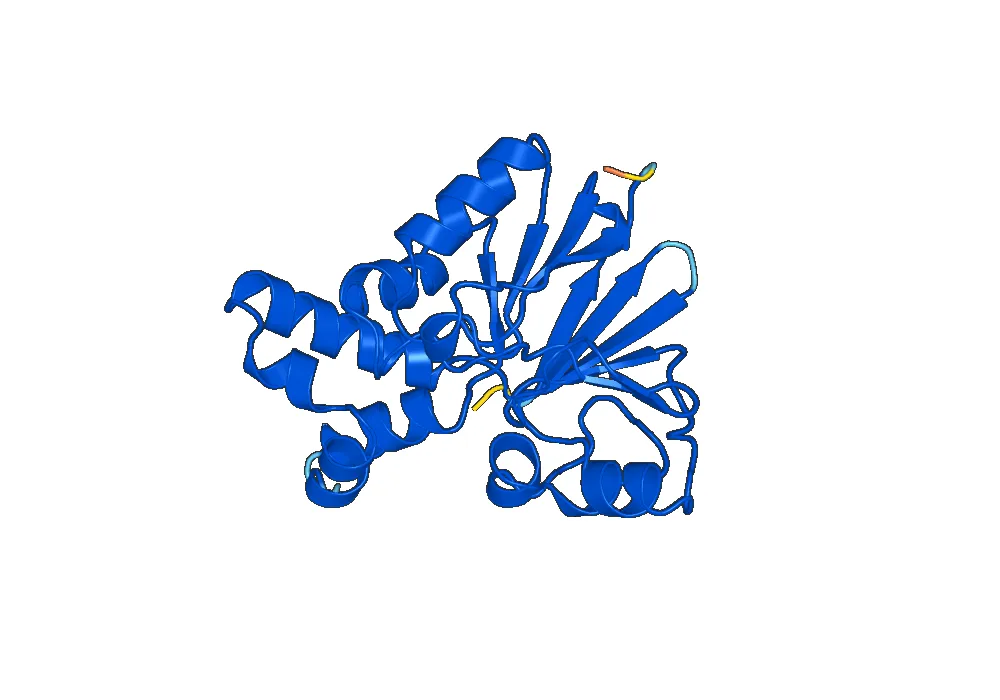
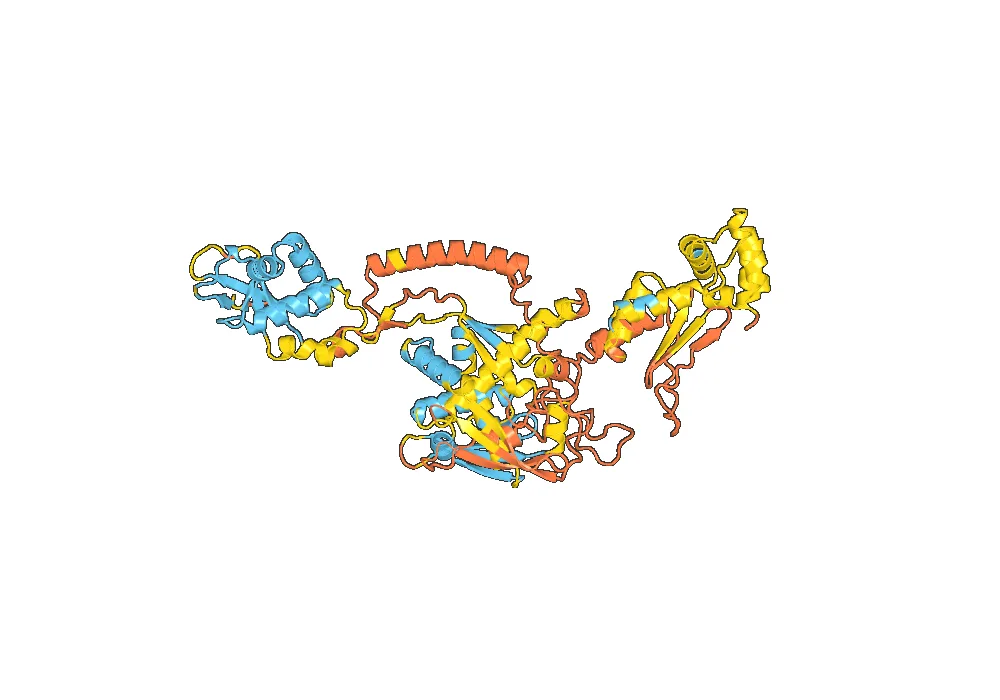
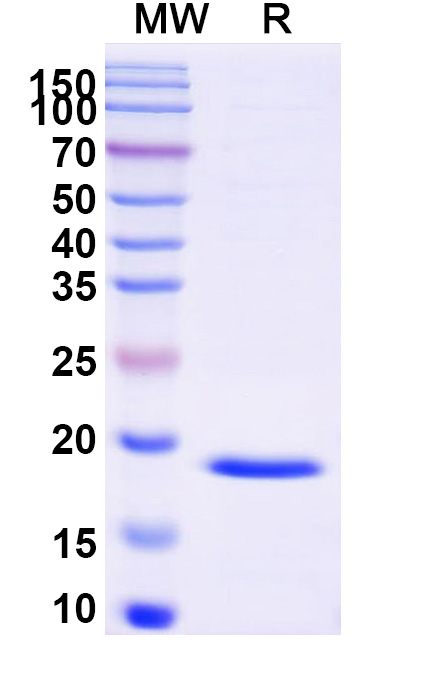
λ-PPase is a homodimeric protein consisting of two identical subunits, each with a molecular weight of approximately 22 kDa. The crystal structure of this protein has been determined, revealing a compact, globular shape with a central active site cleft. The active site contains a conserved catalytic triad of amino acids (Asp, His, and Cys) that are essential for the phosphatase activity of λ-PPase.
The primary sequence of λ-PPase is highly conserved among different species of bacteriophages, indicating its importance in the viral life cycle. However, recombinant techniques have allowed for the production of this protein in large quantities, making it a valuable tool for research and applications.
Activity of Recombinant Bacteriophage Lambda Serine/threonine-protein phosphatase Protein
The main function of λ-PPase is to dephosphorylate serine and threonine residues on target proteins, thereby regulating their activity. This protein is highly specific for its substrates and has been shown to dephosphorylate a variety of cellular proteins, including enzymes, transcription factors, and structural proteins.
One of the key activities of λ-PPase is its role in regulating the replication of the bacteriophage Lambda genome. By dephosphorylating specific viral proteins, λ-PPase helps to control the timing and efficiency of viral DNA replication, ultimately leading to the production of new viral particles.
In addition to its role in viral replication, λ-PPase has also been implicated in other cellular processes, such as cell cycle progression and stress response. Its activity has been linked to the regulation of important signaling pathways, including the mitogen-activated protein kinase (MAPK) pathway and the cAMP-dependent protein kinase (PKA) pathway.
Application of Recombinant Bacteriophage Lambda Serine/threonine-protein phosphatase Protein
The unique properties of λ-PPase make it a valuable tool for various applications in biotechnology and medicine. One of the main uses of this protein is in the production of recombinant proteins. By dephosphorylating target proteins, λ-PPase can enhance their stability and solubility, making them easier to purify and study.
Furthermore, λ-PPase has been utilized in the development of new therapeutic agents. Its ability to regulate cellular processes makes it a potential target for drug discovery, particularly in the treatment of viral infections and cancer. In fact, several studies have demonstrated the potential of λ-PPase inhibitors as antiviral and anticancer agents.
In addition, λ-PPase has been used in the development of diagnostic tests for viral infections. By detecting the activity of this protein, it is possible to determine the presence of specific viral strains and monitor their replication in infected cells.
Conclusion
In summary, Recombinant Bacteriophage Lambda Serine/threonine-protein phosphatase Protein is a highly versatile protein with important roles in viral replication and cellular regulation. Its unique structure and activity make it a valuable tool for various applications in biotechnology and medicine, including protein production, drug discovery, and diagnostics. Further research on this protein may uncover new potential uses and contribute to the development of novel therapies.

There are no reviews yet.