Introduction
Recombinant proteins have become an essential tool in the field of biotechnology and medicine. These proteins are produced through genetic engineering techniques, where the desired gene is inserted into a host cell and expressed to produce the protein of interest. One such recombinant protein is the Recombinant Human ADI1 Protein, which has gained significant attention due to its unique structure and diverse biological functions.
Structure of Recombinant Human ADI1 Protein
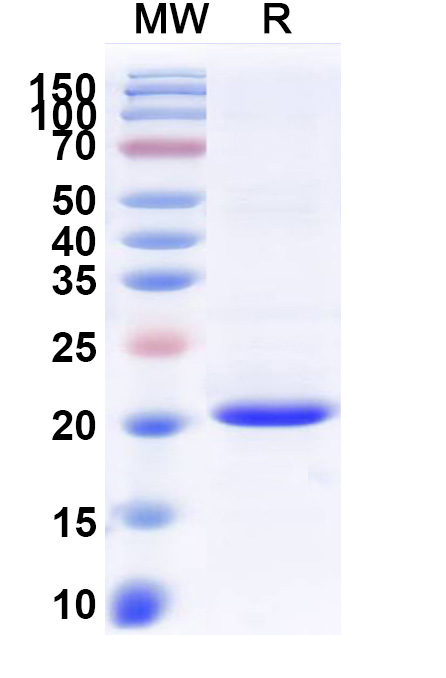
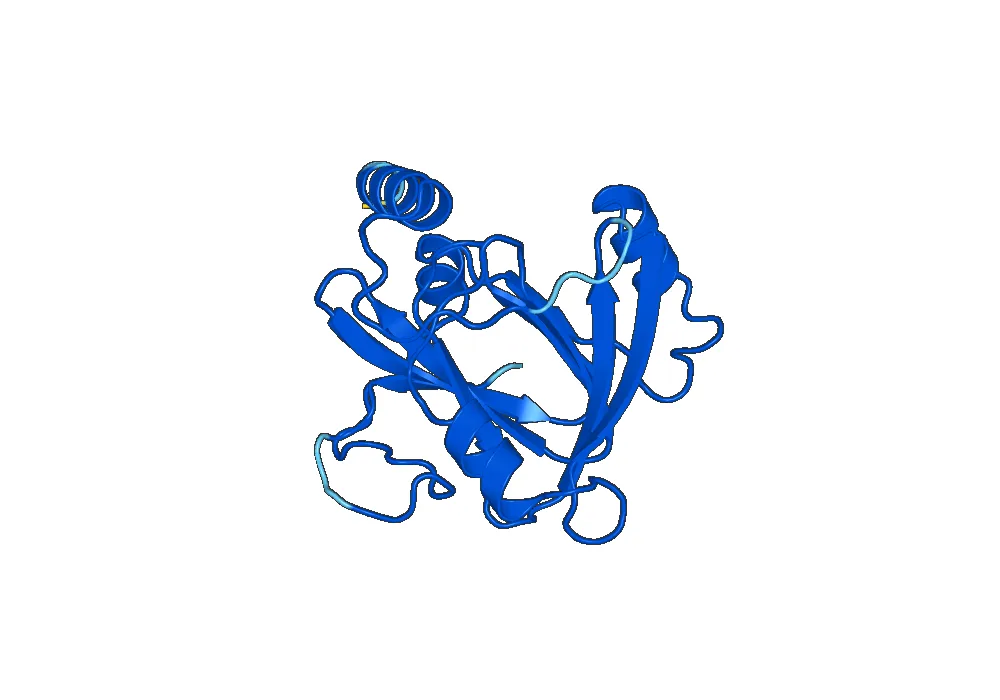
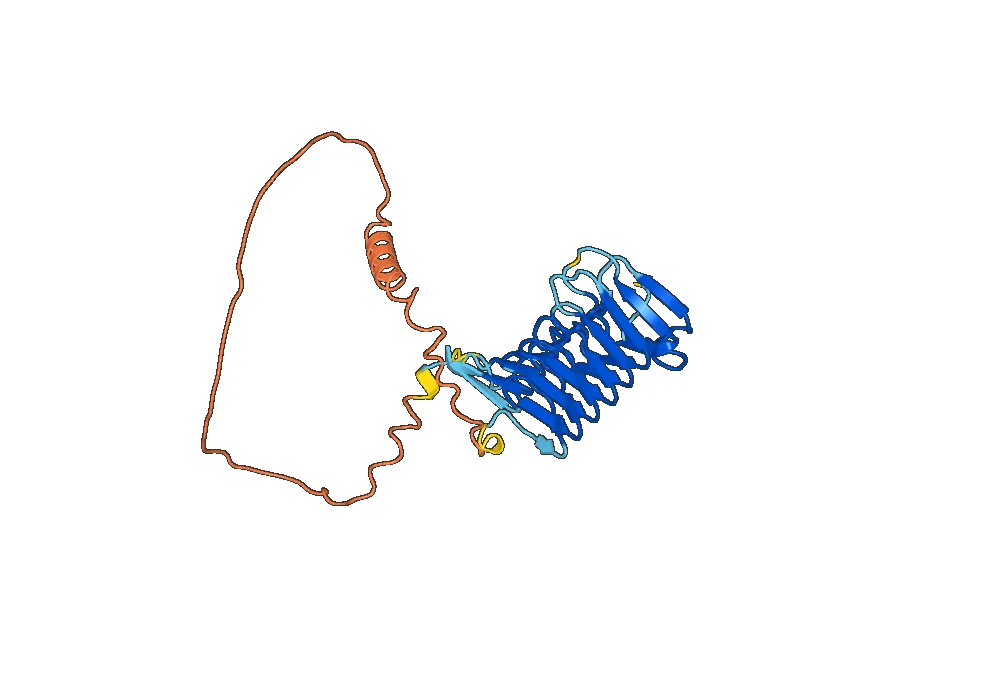
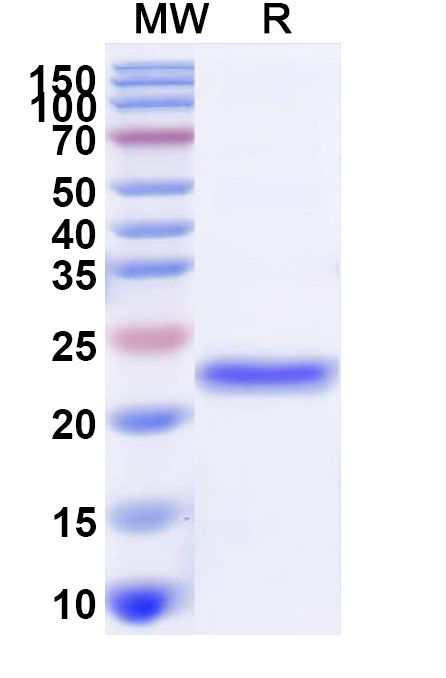
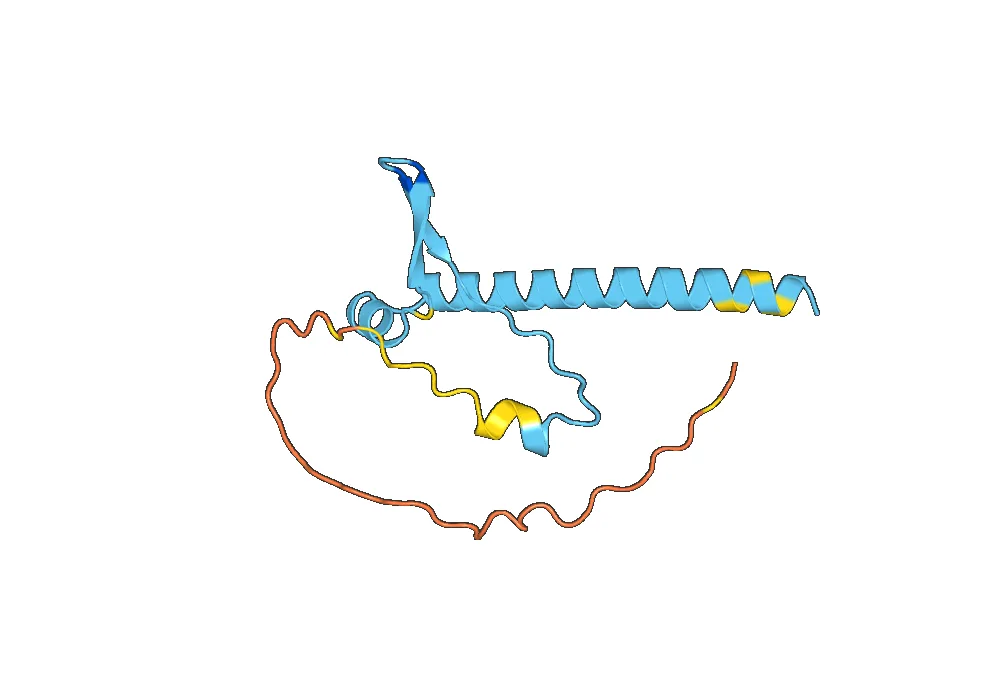
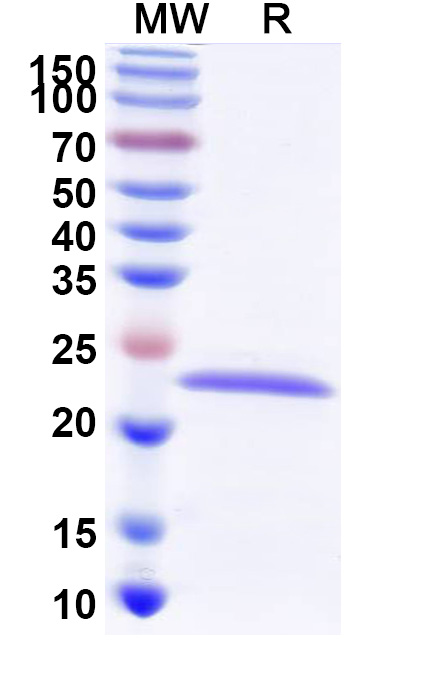
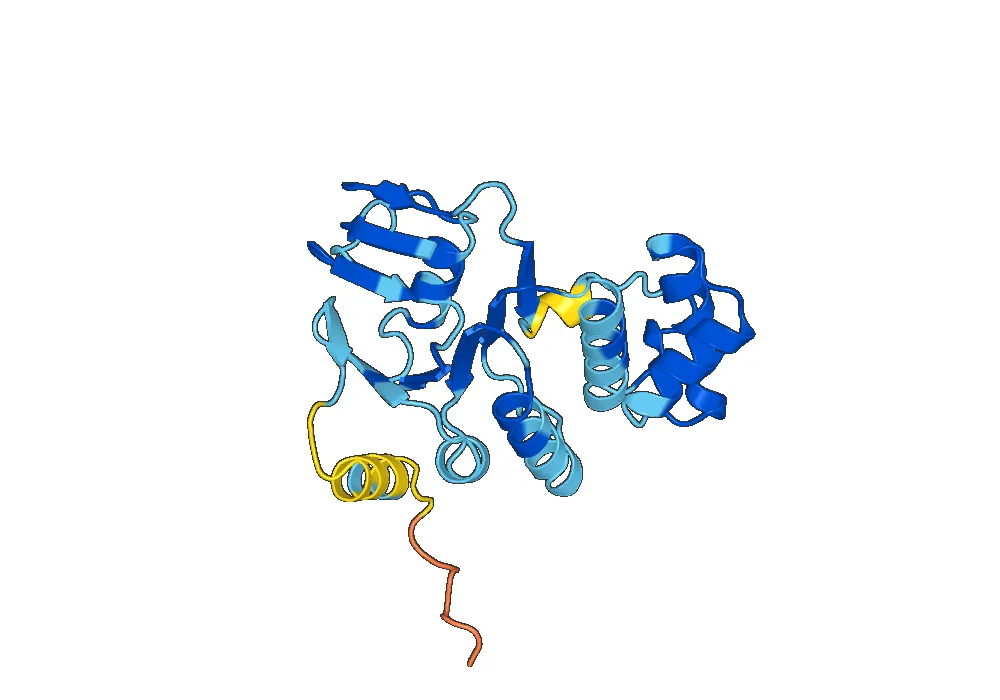
The Recombinant Human ADI1 Protein, also known as Acireductone dioxygenase 1, is a 23 kDa protein that consists of 198 amino acids. It belongs to the cupin superfamily of proteins and has a conserved double-stranded beta-helix (DSBH) fold. This structure is essential for its enzymatic activity and interaction with other proteins.
Activity of Recombinant Human ADI1 Protein
The primary function of Recombinant Human ADI1 Protein is to catalyze the conversion of acireductone to 2-hydroxy-3-keto-5-methylthiopentenyl-1-phosphate (HMTP). This reaction is a crucial step in the methionine salvage pathway, which is responsible for recycling sulfur-containing amino acids in the cell. Additionally, ADI1 has been found to have antioxidant properties and plays a role in DNA damage repair and cell survival.
Application of Recombinant Human ADI1 Protein
The unique structure and diverse biological functions of Recombinant Human ADI1 Protein make it a valuable tool in various research and medical applications.
Antioxidant Therapy
The antioxidant properties of ADI1 make it a potential candidate for antioxidant therapy. Studies have shown that ADI1 can protect cells from oxidative stress and DNA damage, making it a promising therapeutic target for conditions such as cancer and neurodegenerative diseases.
Biomarker for Cancer Diagnosis
Recent studies have identified ADI1 as a potential biomarker for cancer diagnosis. ADI1 expression has been found to be elevated in various types of cancer, including breast, lung, and prostate cancer. This makes ADI1 a promising candidate for early cancer detection and monitoring of treatment response.
Enzyme Replacement Therapy
Deficiency of ADI1 has been linked to a rare genetic disorder called infantile neuroaxonal dystrophy (INAD). This disorder is characterized by progressive neurodegeneration and has no cure. However, Recombinant Human ADI1 Protein can be used as an enzyme replacement therapy to restore the deficient enzyme and potentially slow down the progression of the disease.
Recombinant Protein Production
Recombinant Human ADI1 Protein can also be produced in large quantities for research and industrial purposes. Its small size, stability, and ease of purification make it an ideal candidate for recombinant protein production. It can also be used as a fusion partner to enhance the expression and solubility of other recombinant proteins.
Conclusion
The Recombinant Human ADI1 Protein is a versatile protein with a unique structure and diverse biological functions. Its potential applications in antioxidant therapy, cancer diagnosis, enzyme replacement therapy, and recombinant protein production make it a valuable tool in the field of biotechnology and medicine. Further research on ADI1 and its mechanisms of action can lead to the development of novel therapies and diagnostic tools for various diseases.

There are no reviews yet.