Introduction
Recombinant Human ALKBH4 Protein, also known as AlkB homolog 4, is a type of protein that is produced through recombinant DNA technology. This protein plays an important role in the cellular response to DNA damage and has been found to have potential applications in various fields of research and medicine.
Structure of Recombinant Human ALKBH4 Protein
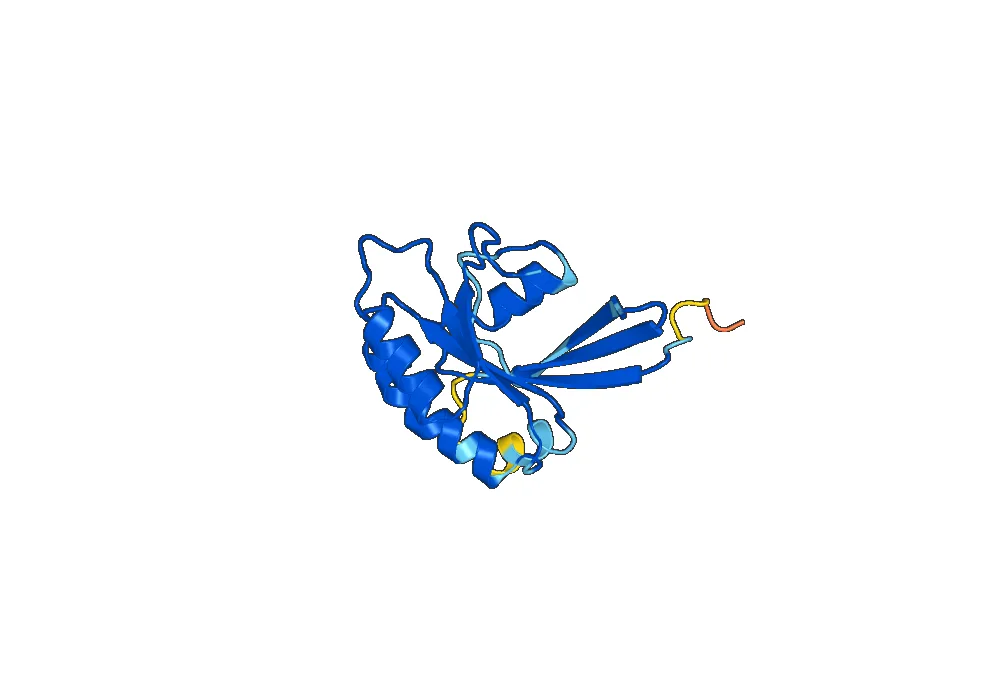
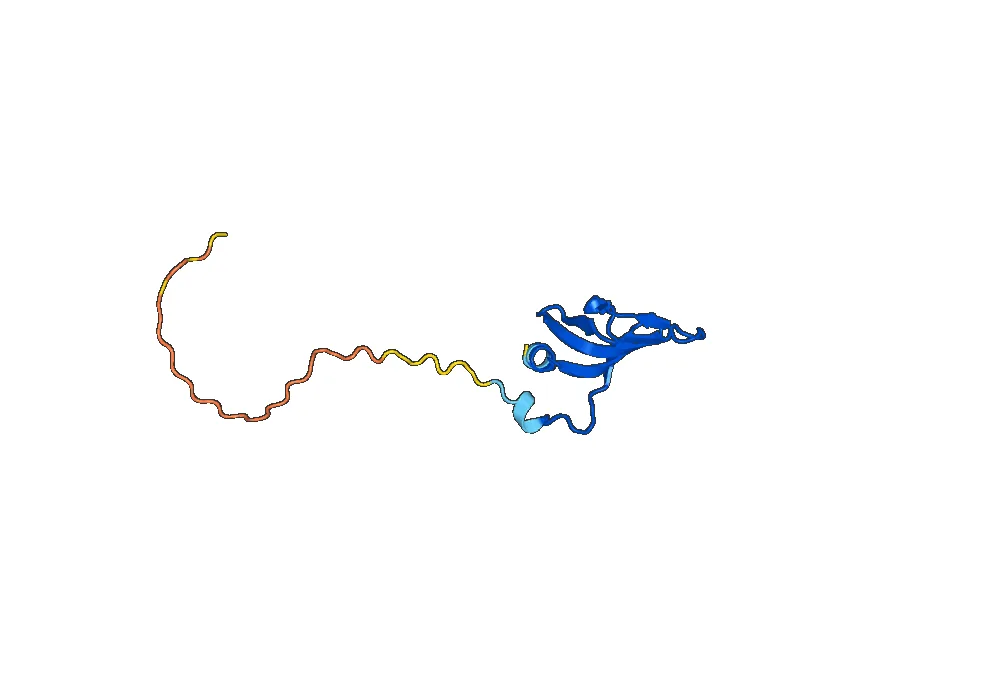
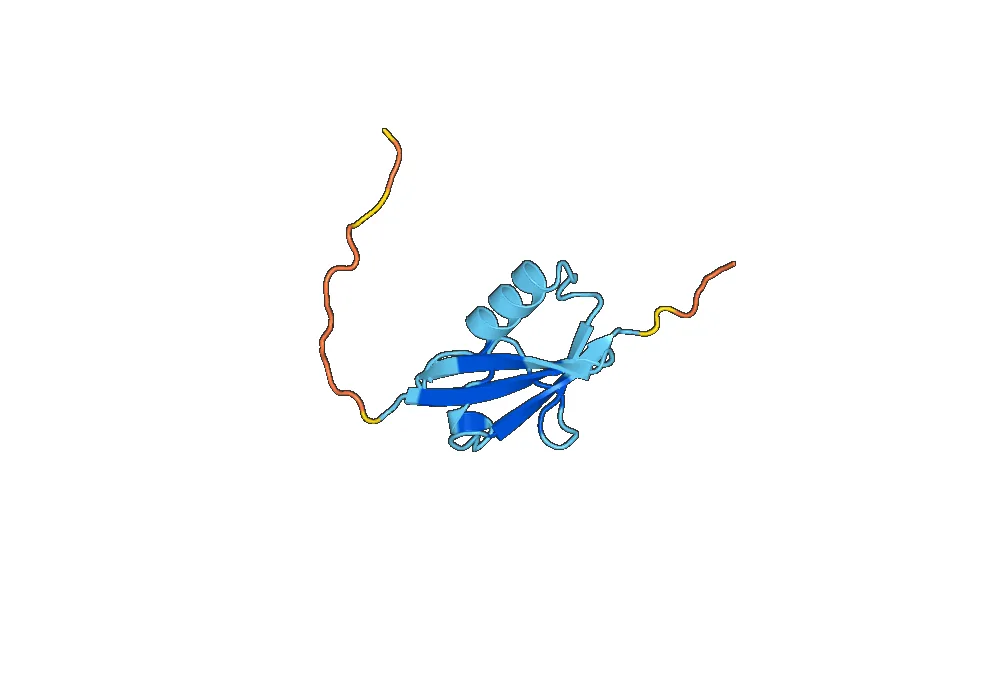
The ALKBH4 protein belongs to the AlkB family of proteins, which are known to have a conserved catalytic domain. This domain contains a Fe(II)/alpha-ketoglutarate-dependent dioxygenase motif, which is essential for the enzyme’s activity. The ALKBH4 protein also has a conserved C-terminal domain that is responsible for its substrate specificity.
The recombinant human ALKBH4 protein is produced through the expression of the ALKBH4 gene in a suitable host cell, such as E. coli. The resulting protein is a 50 kDa monomer with a predicted isoelectric point of 9.05. It has been found to be highly stable and soluble, making it suitable for various applications.
Activity of Recombinant Human ALKBH4 Protein
The primary function of ALKBH4 protein is to repair DNA damage caused by alkylating agents, such as methyl methanesulfonate (MMS). This protein acts as a demethylase, removing methyl groups from damaged DNA bases and restoring their original structure. This activity is essential for maintaining the integrity of the genome and preventing mutations that can lead to diseases such as cancer.
In addition to its role in DNA repair, ALKBH4 protein has been found to have other activities as well. It has been shown to be involved in the regulation of gene expression, particularly in response to hypoxia. ALKBH4 has also been found to play a role in the regulation of RNA stability, which can have implications in various cellular processes.
Application of Recombinant Human ALKBH4 Protein
The recombinant human ALKBH4 protein has been used in various research studies to understand its role in DNA repair and other cellular processes. It has also been used in drug discovery and development, as it has been found to be a potential target for cancer therapy. In addition, ALKBH4 protein has been used in the development of diagnostic tools for various diseases.
One of the major applications of ALKBH4 protein is in the field of epigenetics. The demethylase activity of this protein makes it a valuable tool for studying DNA methylation and its effects on gene expression. It has also been found to be involved in the regulation of histone modifications, which play a crucial role in epigenetic regulation.
Moreover, the recombinant human ALKBH4 protein has been used in the development of biosensors for the detection of DNA damage. These biosensors utilize the specific activity of ALKBH4 protein to detect the presence of alkylated DNA bases, providing a quick and sensitive method for assessing DNA damage.
Conclusion
In summary, the recombinant human ALKBH4 protein is a versatile protein with important roles in DNA repair, gene expression regulation, and epigenetics. Its structure, activity, and potential applications make it a valuable tool for various research studies and medical applications. Further research on this protein may lead to new insights into its functions and potential therapeutic applications.


There are no reviews yet.