Introduction
Recombinant Human C1QTNF12, also known as complement C1q tumor necrosis factor-related protein 12, is a protein that plays a crucial role in the immune system. It is a member of the C1q/TNF-related protein (CTRP) family and is encoded by the C1QTNF12 gene. This protein is produced through recombinant technology, making it a valuable tool for research and potential therapeutic applications. In this article, we will discuss the structure, activity, and applications of Recombinant Human C1QTNF12.
Structure of Recombinant Human C1QTNF12
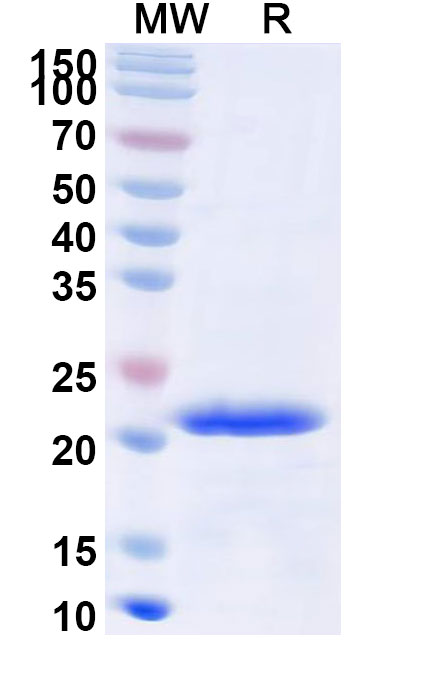
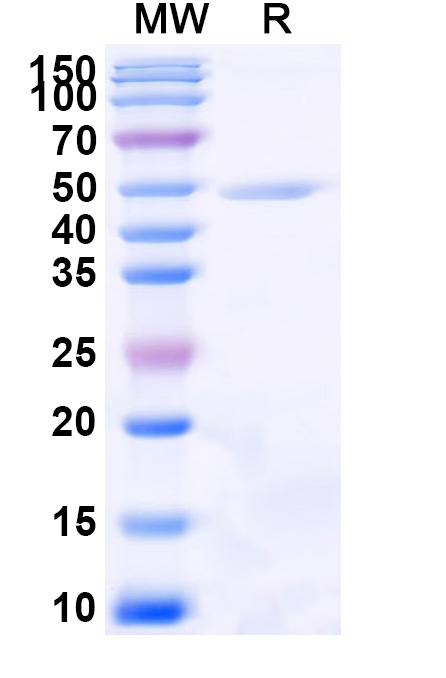
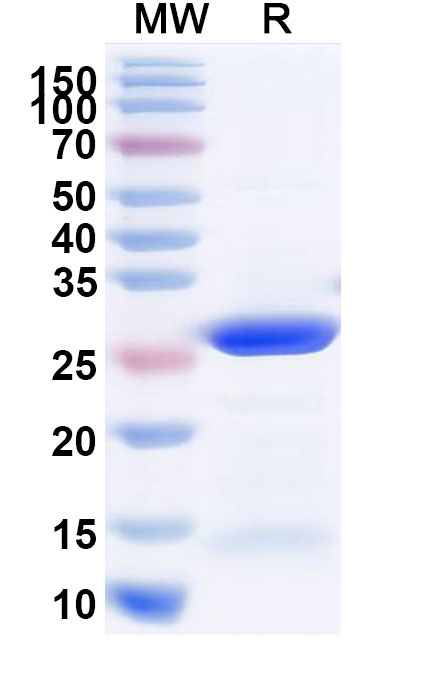
Recombinant Human C1QTNF12 is a 27-kDa glycosylated protein that consists of 243 amino acids. It is composed of a signal peptide, a collagen-like domain, and a C-terminal globular domain. The signal peptide is responsible for the secretion of the protein, while the collagen-like domain is involved in the formation of a trimeric structure. The C-terminal globular domain is the functional part of the protein and is responsible for its biological activity.
The crystal structure of Recombinant Human C1QTNF12 has been determined, revealing a trimeric structure with a triple helix collagen-like domain and a globular C-terminal domain. The C-terminal domain contains a conserved cysteine knot motif, which is characteristic of the CTRP family. This motif is essential for the stability and function of the protein.
Activity of Recombinant Human C1QTNF12
Recombinant Human C1QTNF12 has been shown to have multiple activities, including immunomodulatory, anti-inflammatory, and metabolic effects. It has been reported to interact with various immune cells, such as macrophages, dendritic cells, and T cells, and modulate their functions. It has also been shown to inhibit the production of pro-inflammatory cytokines, such as TNF-α and IL-6, and promote the production of anti-inflammatory cytokines, such as IL-10.
Furthermore, Recombinant Human C1QTNF12 has been found to regulate lipid metabolism and glucose homeostasis. It has been shown to increase insulin sensitivity and decrease plasma glucose levels in animal models of diabetes. It also promotes the uptake of fatty acids by adipocytes, leading to a decrease in circulating lipid levels. These effects make Recombinant Human C1QTNF12 a potential therapeutic target for metabolic disorders.
Applications of Recombinant Human C1QTNF12
The unique structure and activity of Recombinant Human C1QTNF12 make it a valuable tool for various research and therapeutic applications. Its immunomodulatory and anti-inflammatory effects make it a potential candidate for the treatment of autoimmune and inflammatory diseases. Its ability to regulate lipid and glucose metabolism also makes it a promising target for the treatment of metabolic disorders, such as obesity and diabetes.
Recombinant Human C1QTNF12 has also been used in studies investigating the role of CTRP family proteins in cancer. It has been found to inhibit the proliferation and migration of cancer cells, suggesting a potential role in cancer therapy.
In addition, Recombinant Human C1QTNF12 has been used as an antigen in various immunoassays, such as ELISA and Western blot, to detect its presence in biological samples. It has also been used in cell culture studies to investigate its effects on immune cells and adipocytes.
Conclusion
In summary, Recombinant Human C1QTNF12 is a 27-kDa glycosylated protein with a trimeric structure and a C-terminal globular domain. It has multiple activities, including immunomodulatory, anti-inflammatory, and metabolic effects, making it a potential therapeutic target for various diseases.


There are no reviews yet.