Introduction
Recombinant proteins have become an essential tool in the field of biotechnology, allowing for the production of large quantities of specific proteins for various applications. One such protein is the Recombinant Human CAPG Protein, which has gained significant attention for its unique structure, activity, and potential applications. In this article, we will delve into the details of this protein and explore its various features.
Structure of Recombinant Human CAPG Protein
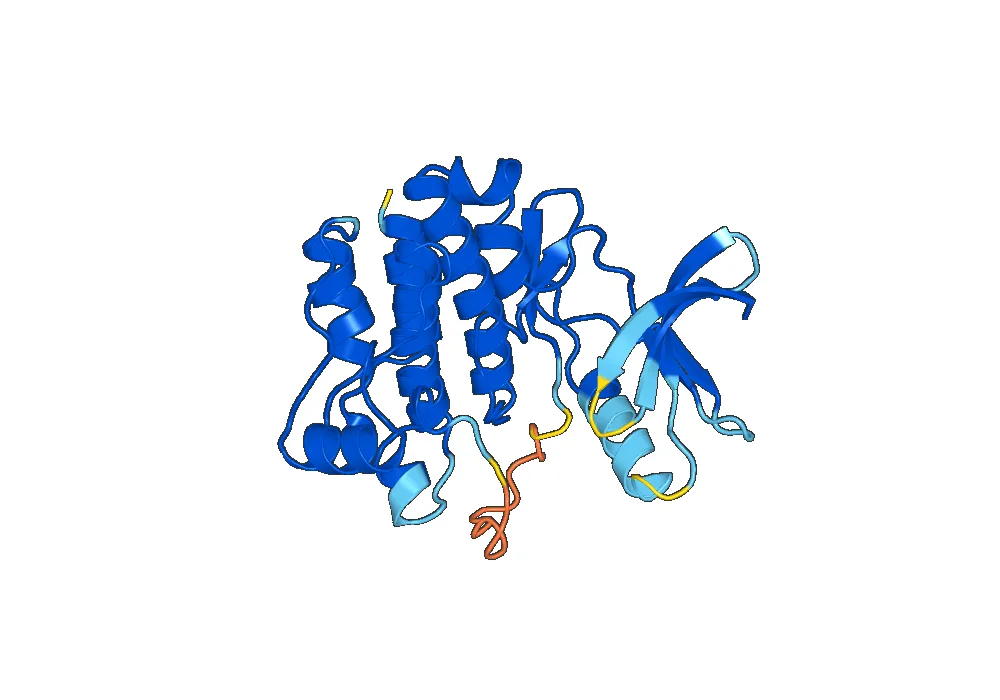
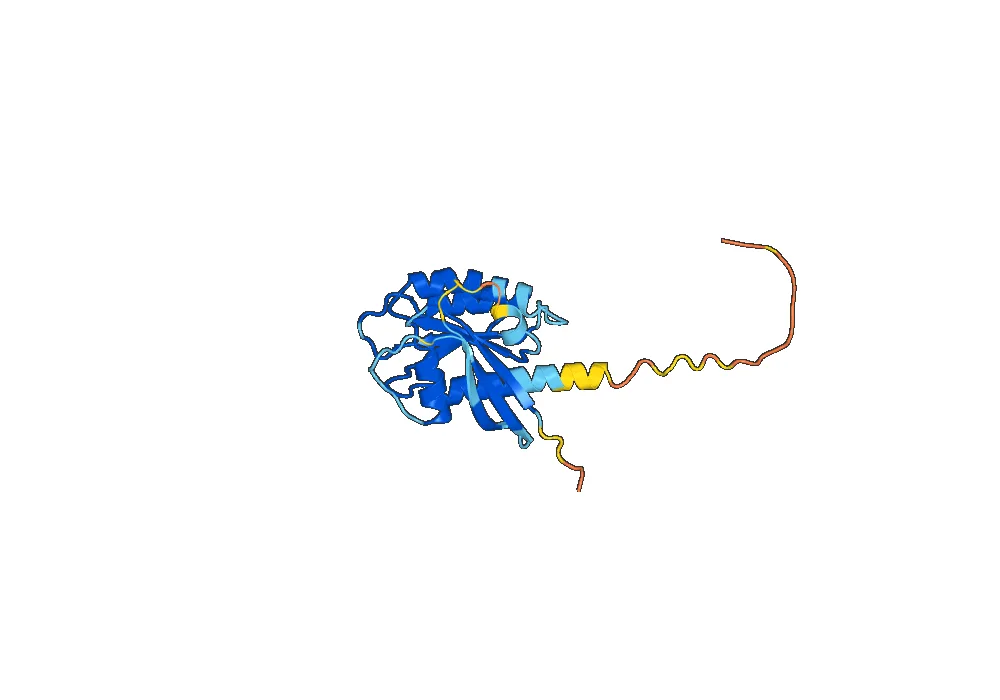
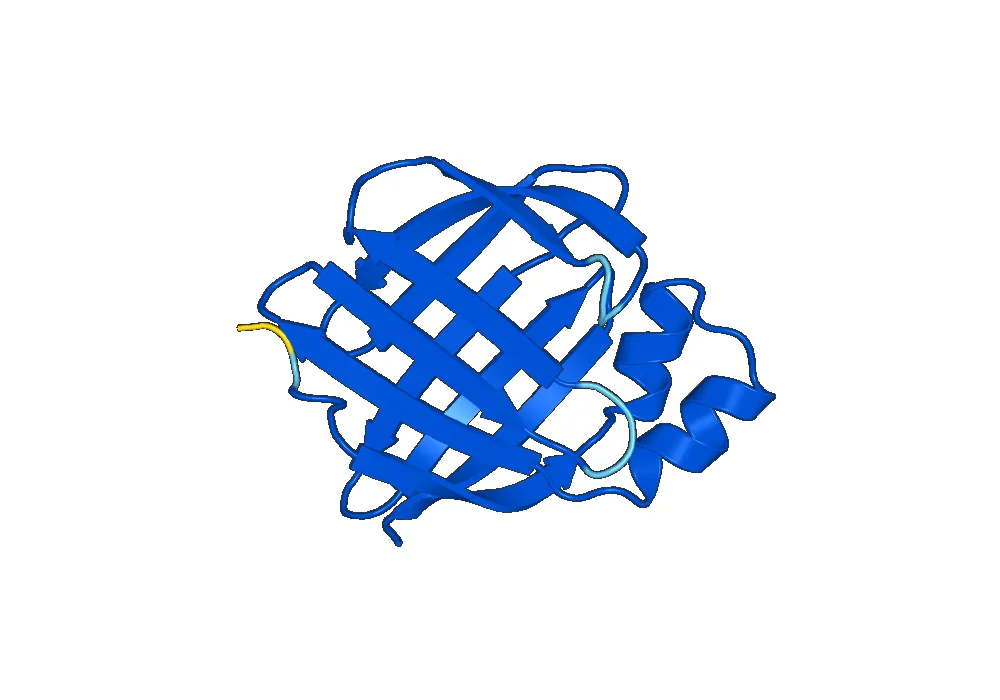
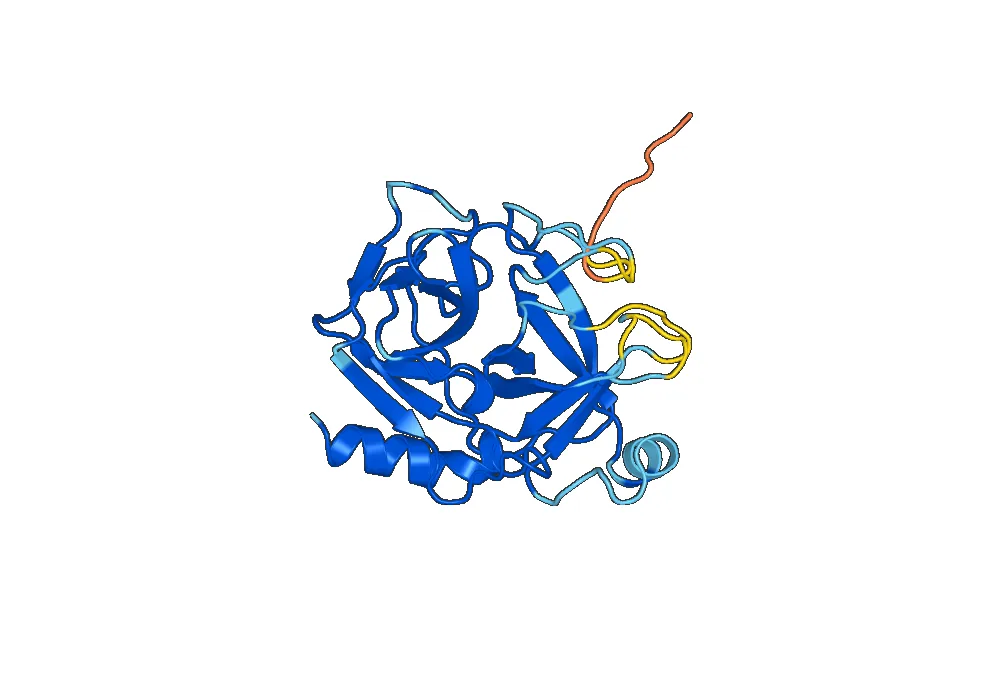
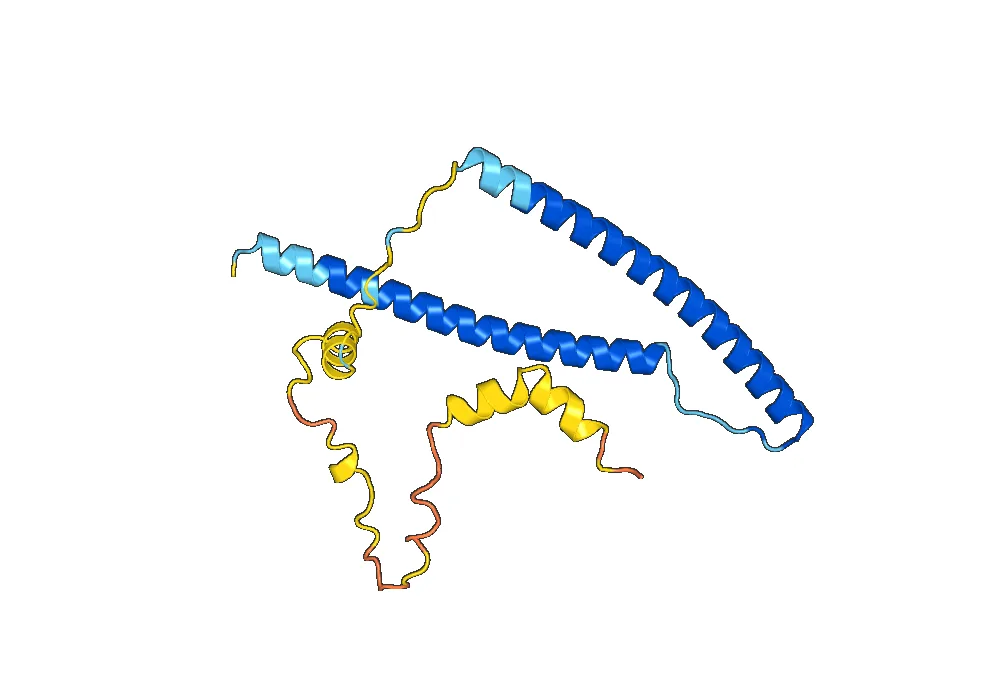
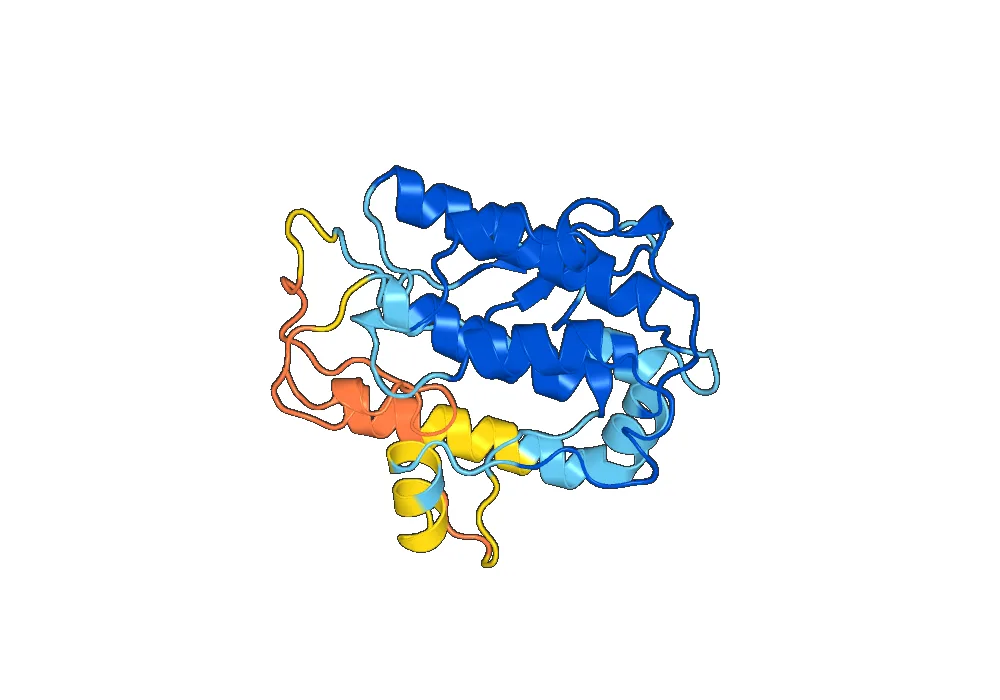
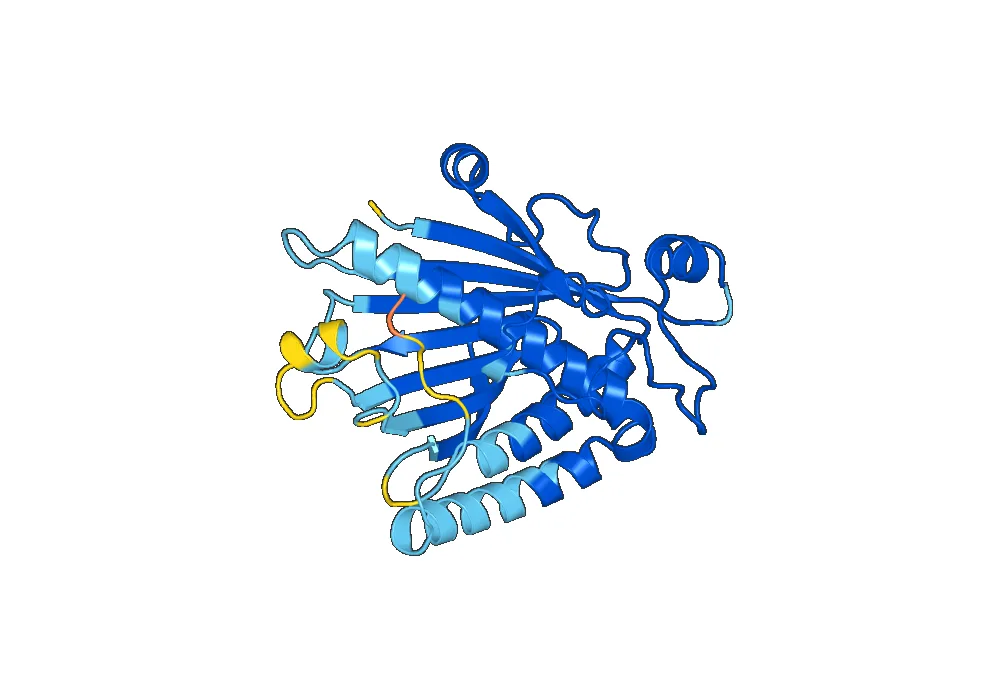
The Recombinant Human CAPG Protein is a 37 kDa protein that belongs to the gelsolin/villin family. It is composed of two domains, an N-terminal gelsolin-like domain and a C-terminal villin-like domain, connected by a flexible linker region. The N-terminal domain contains six repeats of the gelsolin-like motif, while the C-terminal domain contains six repeats of the villin-like motif. This unique structure allows for the protein to undergo conformational changes, making it highly dynamic and adaptable to different cellular environments.
Activity of Recombinant Human CAPG Protein
The main function of Recombinant Human CAPG Protein is to regulate actin dynamics in the cell. It binds to both monomeric and filamentous actin and has the ability to sever actin filaments, leading to their disassembly. This activity is crucial for various cellular processes such as cell migration, cytokinesis, and phagocytosis. Additionally, Recombinant Human CAPG Protein also has calcium-binding properties, which further contribute to its role in regulating actin dynamics.
Application of Recombinant Human CAPG Protein
The unique structure and activity of Recombinant Human CAPG Protein make it a valuable tool for various applications in the fields of research and medicine. One of its main applications is in the study of actin dynamics and its role in cellular processes. By using Recombinant Human CAPG Protein, researchers can manipulate actin filaments and study their effects on different cellular functions.
Furthermore, Recombinant Human CAPG Protein has shown potential in cancer research. It has been found to be overexpressed in various types of cancer, and its inhibition has been shown to decrease cancer cell invasion and migration. This makes it a potential target for cancer therapy.
Another potential application of Recombinant Human CAPG Protein is in the development of biomaterials. Its ability to regulate actin dynamics can be utilized in the design of scaffolds for tissue engineering, as well as in the production of drug delivery systems.
Conclusion
In summary, Recombinant Human CAPG Protein is a unique protein with a complex structure and versatile activity. Its role in regulating actin dynamics makes it essential for various cellular processes, and its potential applications in research and medicine are promising. As technology continues to advance, we can expect to see further developments and uses for this protein in the future.

There are no reviews yet.