Introduction
Recombinant Human CD120a/TNFRSF1A/TNFR1 Protein, also known as Tumor Necrosis Factor Receptor 1 (TNFR1), is a type I transmembrane protein that belongs to the TNF receptor superfamily. It plays a crucial role in the regulation of immune response and inflammation. This protein is produced through recombinant technology and has been extensively studied for its structure, activity, and various applications in research and medicine.
Structure of Recombinant Human CD120a/TNFRSF1A/TNFR1 Protein
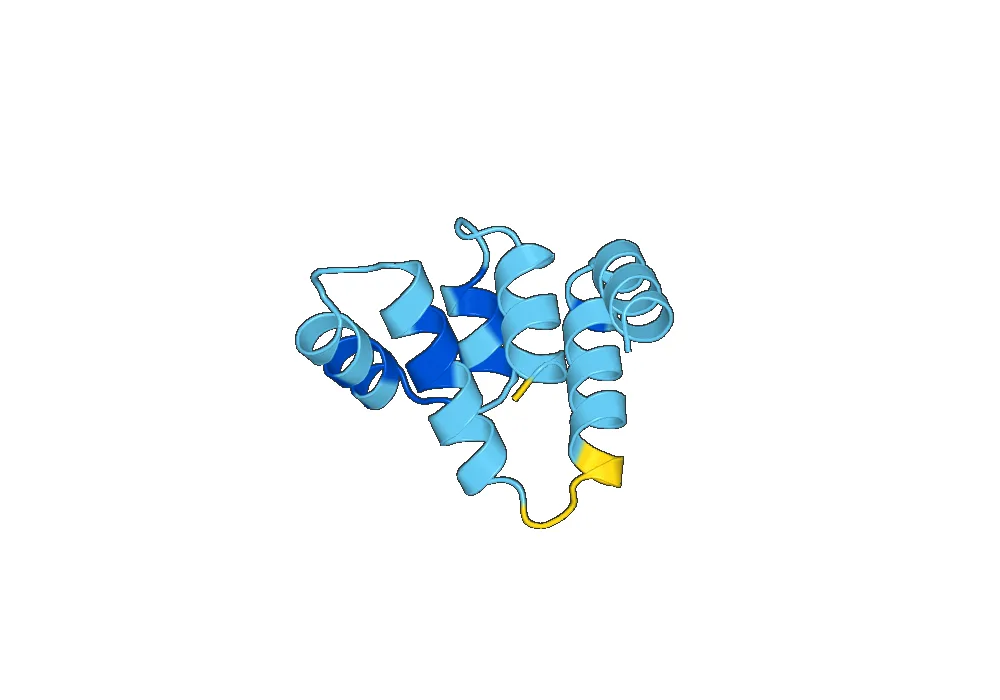
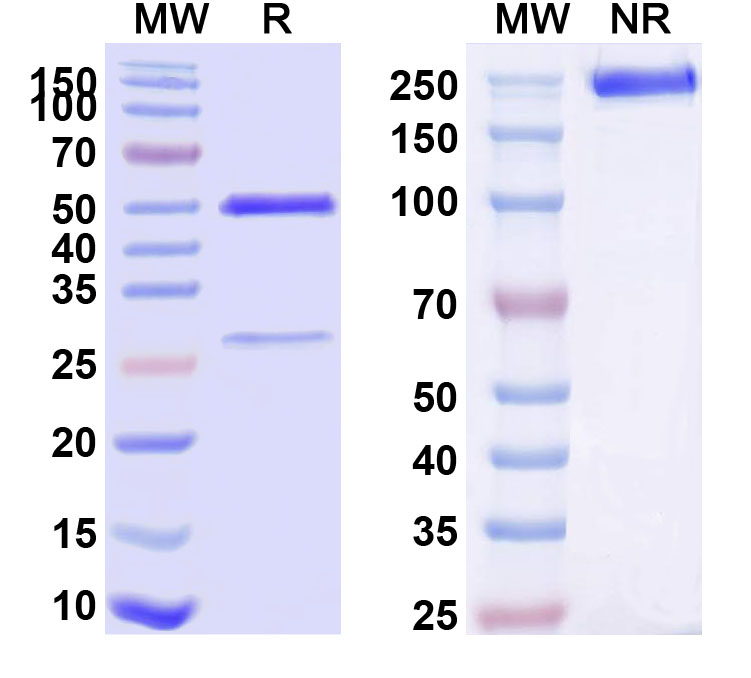
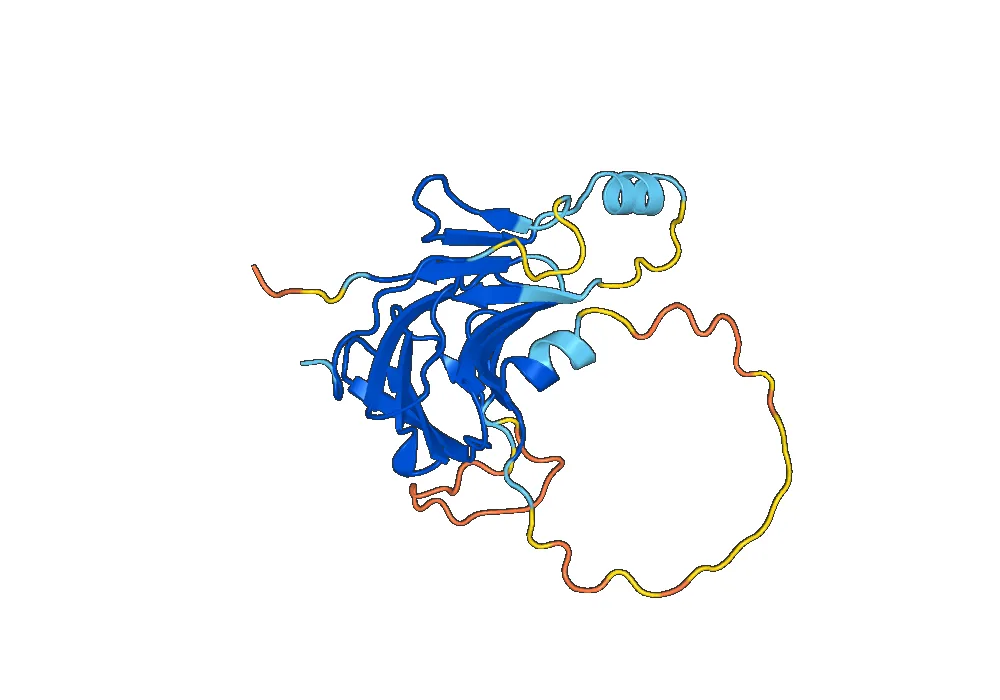
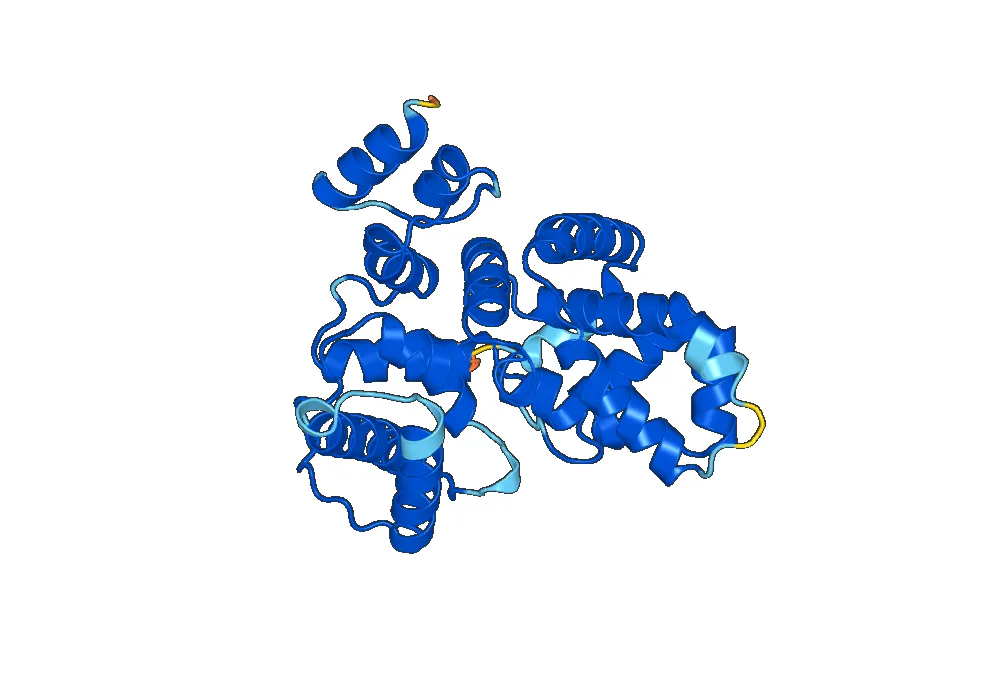
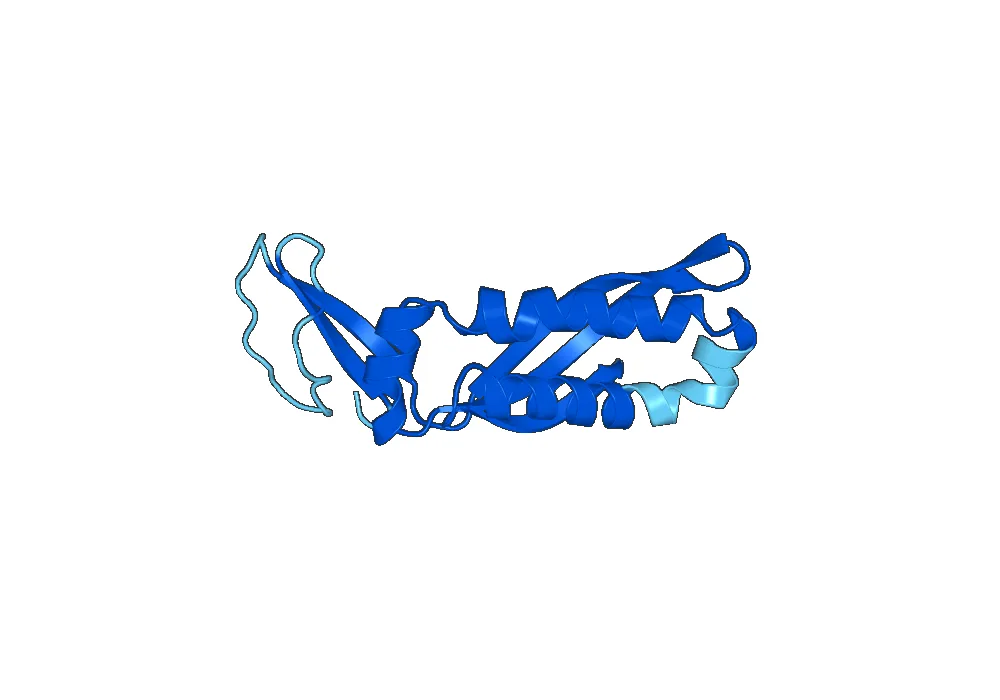
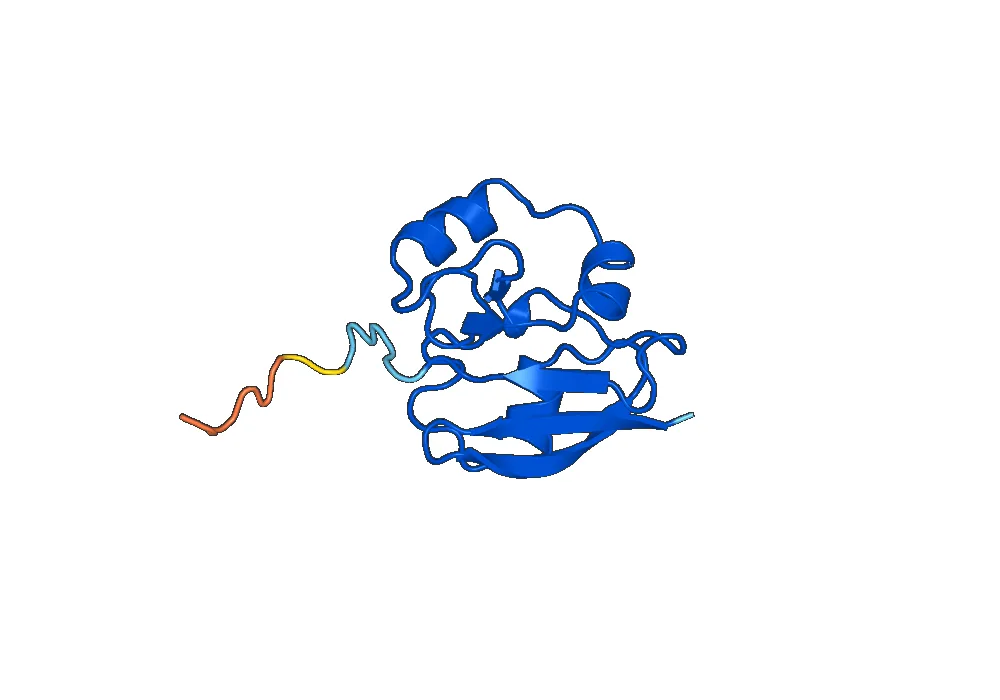
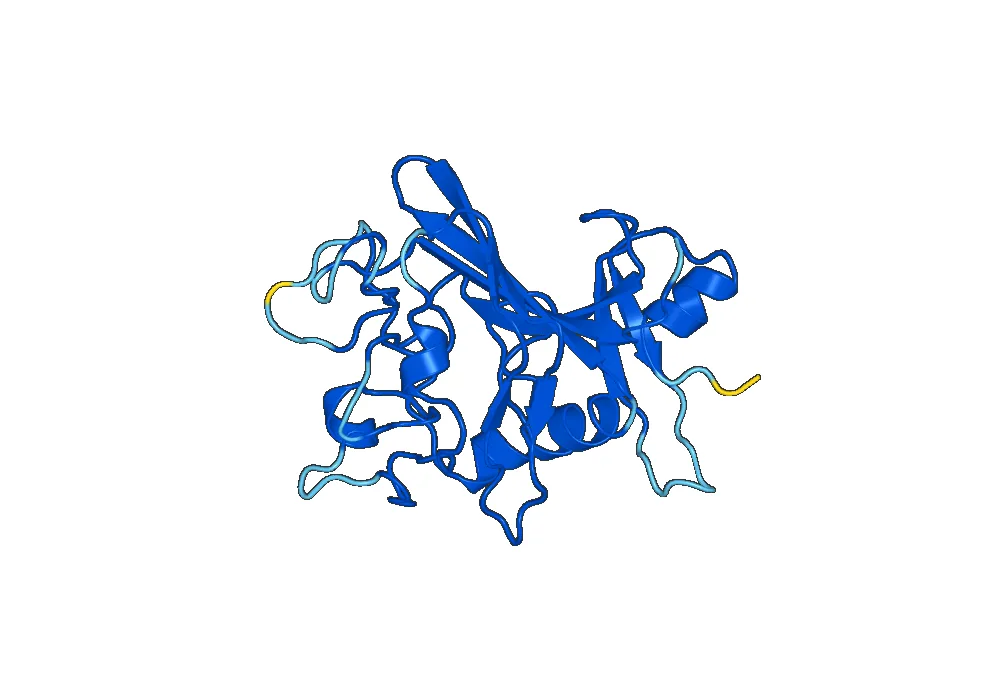
The recombinant protein is a 55 kDa glycoprotein consisting of 455 amino acids. It has a single transmembrane domain and an extracellular domain that contains four cysteine-rich repeats. These cysteine-rich repeats are responsible for binding to its ligand, TNF-α. The cytoplasmic domain of the protein contains a death domain, which is crucial for initiating cell death signaling.
Activity of Recombinant Human CD120a/TNFRSF1A/TNFR1 Protein
The main function of TNFR1 is to bind to its ligand, TNF-α, and initiate downstream signaling pathways. Upon binding, TNFR1 undergoes a conformational change and recruits adaptor proteins, such as TNF receptor-associated death domain (TRADD), TNF receptor-associated factor 2 (TRAF2), and receptor-interacting protein (RIP). This complex then activates various signaling pathways, including the NF-κB and MAPK pathways, leading to the production of cytokines and chemokines.
TNFR1 is also involved in regulating cell death through two distinct pathways: apoptosis and necroptosis. In the apoptotic pathway, TNFR1 activates caspase-8, which leads to cell death. In the necroptotic pathway, TNFR1 activates RIPK3 and MLKL, resulting in necrosis. The balance between these two pathways is crucial for maintaining tissue homeostasis and preventing excessive inflammation.
Applications of Recombinant Human CD120a/TNFRSF1A/TNFR1 Protein
Recombinant Human CD120a/TNFRSF1A/TNFR1 Protein has been extensively used in research and medicine for its various applications. Some of the key applications include:
1. Studying TNF-α signaling
As TNFR1 is the primary receptor for TNF-α, recombinant TNFR1 protein is used to study the signaling pathways activated by TNF-α. This has helped in understanding the role of TNF-α in various diseases, including autoimmune disorders and cancer.
2. Screening for potential drug targets
The TNF-α signaling pathway is a potential target for developing drugs to treat various diseases. Recombinant TNFR1 protein is used in screening assays to identify compounds that can modulate this pathway and potentially be developed into drugs.
3. Treating inflammatory diseases
TNFR1 is a key regulator of inflammation, and its dysregulation has been linked to various inflammatory diseases, such as rheumatoid arthritis and inflammatory bowel disease. Recombinant TNFR1 protein has been used in clinical trials for the treatment of these diseases, showing promising results.
4. Diagnosis of certain cancers
TNFR1 expression has been found to be elevated in certain types of cancers, such as breast and ovarian cancer. Recombinant TNFR1 protein has been used in diagnostic tests to detect


There are no reviews yet.