Introduction
Recombinant Human CD171/L1CAM Protein, also known as L1 cell adhesion molecule (L1CAM), is a type I transmembrane protein that is involved in cell adhesion, migration, and signaling. It is a member of the immunoglobulin superfamily and is encoded by the L1CAM gene. This protein plays a crucial role in the development of the nervous system and is also involved in various diseases, making it a valuable target for research and therapeutic applications.
Structure of Recombinant Human CD171/L1CAM Protein
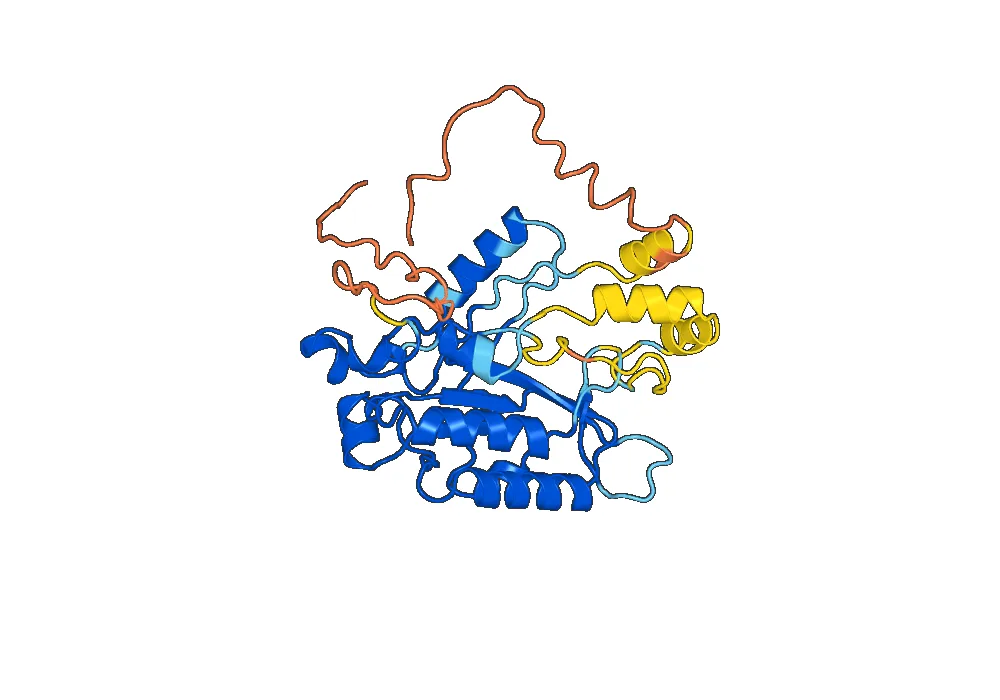
The recombinant form of CD171/L1CAM is a glycoprotein with a molecular weight of approximately 200 kDa. It is composed of six immunoglobulin-like domains, five fibronectin type III (FNIII) repeats, and a cytoplasmic domain. The extracellular region of the protein contains several N-glycosylation sites, which are important for its function. The cytoplasmic domain of CD171/L1CAM interacts with various signaling molecules and is responsible for its intracellular signaling activity.
Activity of Recombinant Human CD171/L1CAM Protein
CD171/L1CAM is primarily known for its role in cell adhesion and migration. It is expressed on the surface of various cell types, including neurons, glial cells, and immune cells. It mediates cell-cell interactions by binding to other L1CAM molecules or to other ligands, such as integrins and extracellular matrix proteins. This interaction leads to the formation of stable cell-cell contacts and promotes cell migration.
In addition to cell adhesion, CD171/L1CAM also plays a role in cell signaling. It has been shown to interact with several intracellular signaling molecules, including the focal adhesion kinase (FAK) and the mitogen-activated protein kinase (MAPK) pathway. These interactions regulate various cellular processes, such as cell proliferation, survival, and differentiation.
Application of Recombinant Human CD171/L1CAM Protein
Recombinant Human CD171/L1CAM Protein has a wide range of applications in both research and therapeutic settings. Some of the major applications include:
1. Research
CD171/L1CAM is a valuable tool for studying cell adhesion and migration. Recombinant CD171/L1CAM protein can be used in cell adhesion assays to investigate its role in cell-cell interactions. It can also be used in cell migration assays to study the effect of CD171/L1CAM on cell movement.
Furthermore, CD171/L1CAM is involved in the development of the nervous system, making it an important protein for neurobiological research. Recombinant CD171/L1CAM protein can be used to study its role in neuronal development and function.
2. Cancer Research
CD171/L1CAM has been found to be overexpressed in various types of cancer, including breast, ovarian, and pancreatic cancer. It is associated with tumor growth, invasion, and metastasis. Recombinant CD171/L1CAM protein can be used to study its role in cancer progression and to develop potential therapeutic strategies.
3. Therapeutic Applications
Recombinant Human CD171/L1CAM Protein has shown potential as a therapeutic target for various diseases. For example, it has been studied as a potential target for the treatment of multiple sclerosis, as it is involved in the regulation of immune cell migration and activation. Additionally, CD171/L1CAM has been implicated in the progression of Alzheimer’s disease and could be a potential target for therapy.
Conclusion
Recombinant Human CD171/L1CAM Protein is a versatile protein with important roles in cell adhesion, migration, and signaling. Its structure and activity make it a valuable tool for research and a potential target for therapeutic interventions. With ongoing research, CD171/L1CAM may hold promise for the treatment of various diseases and disorders.

There are no reviews yet.