Introduction
Recombinant Human CEPT1 Protein is a highly purified, bioactive protein that is produced through recombinant DNA technology. It is a member of the phospholipase D family and plays a crucial role in cellular lipid metabolism. In this article, we will discuss the structure, activity, and application of this protein.
Structure of Recombinant Human CEPT1 Protein
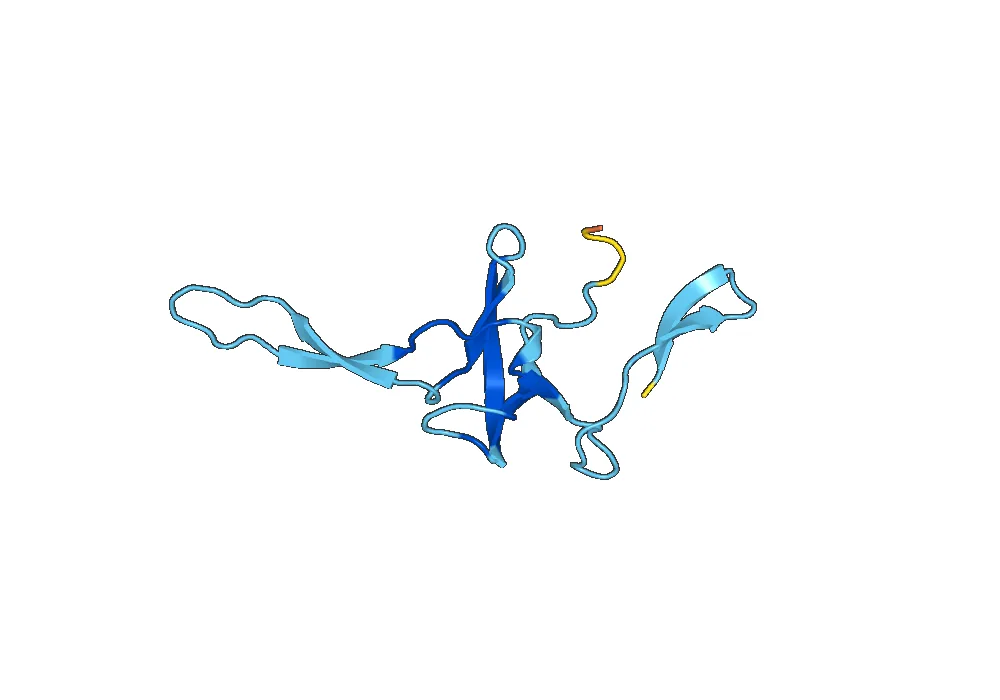
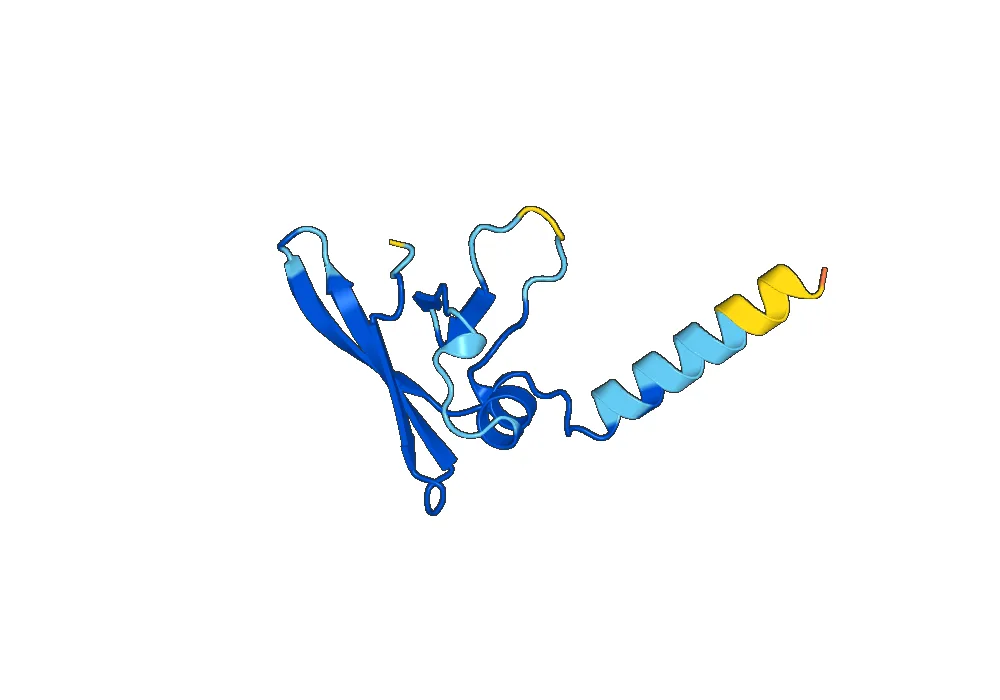
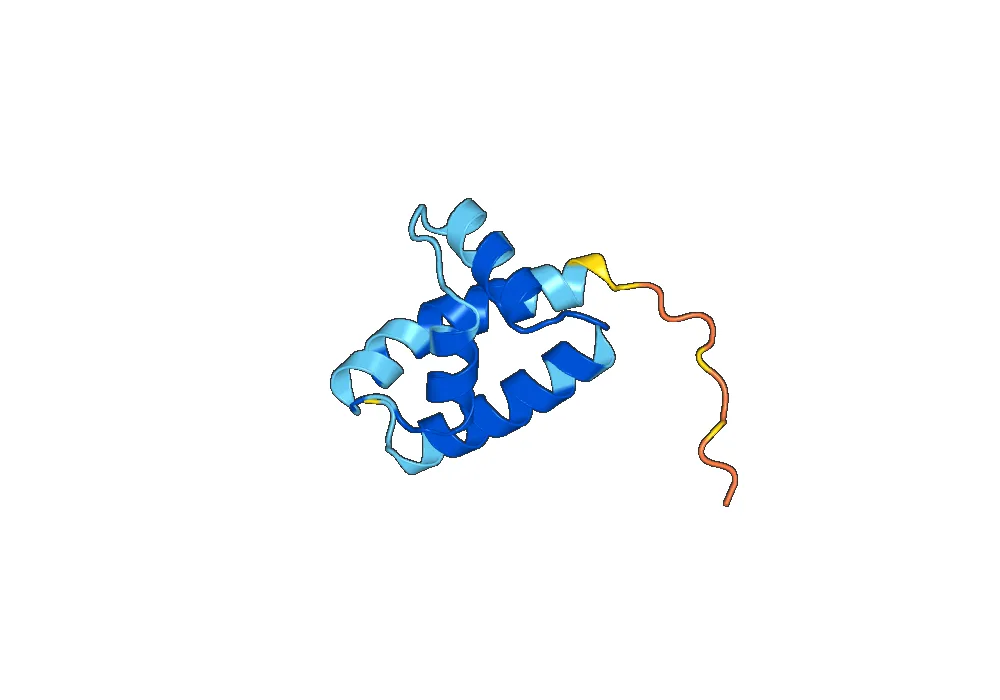
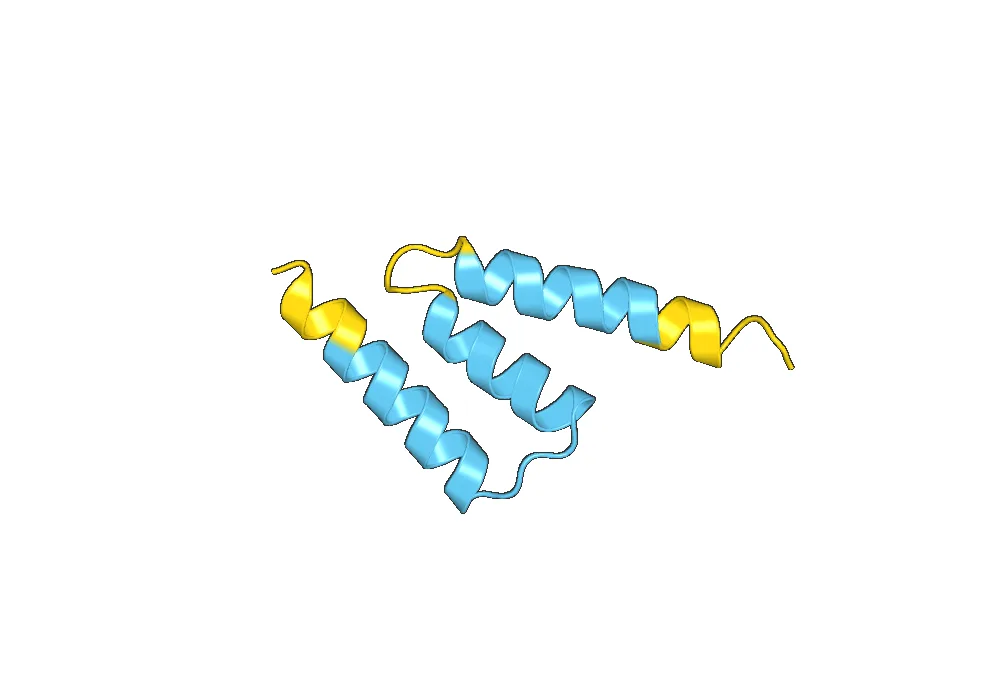
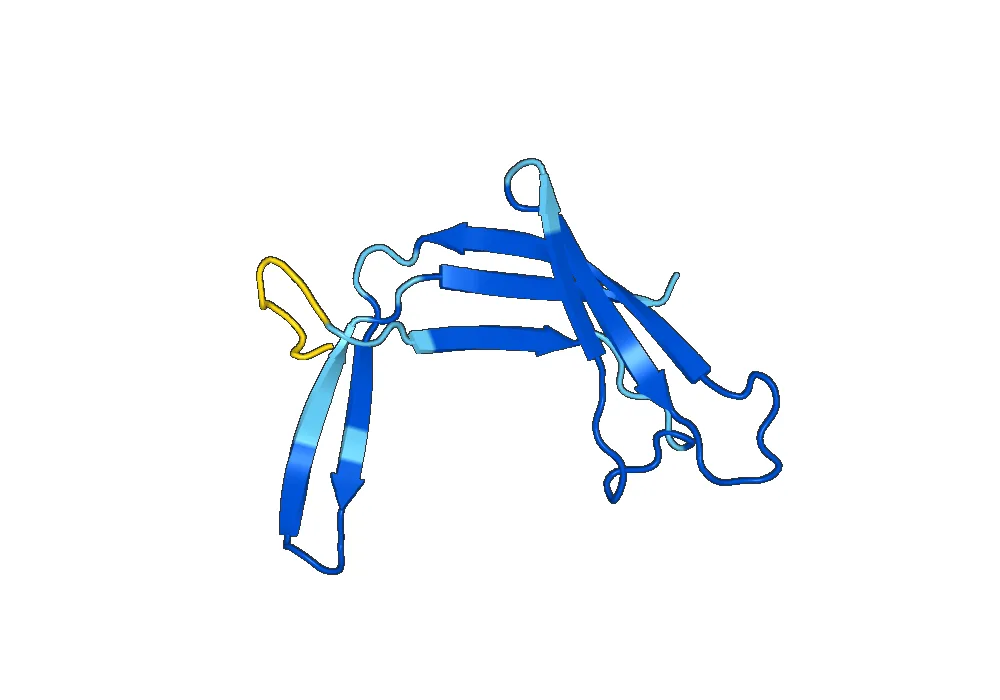
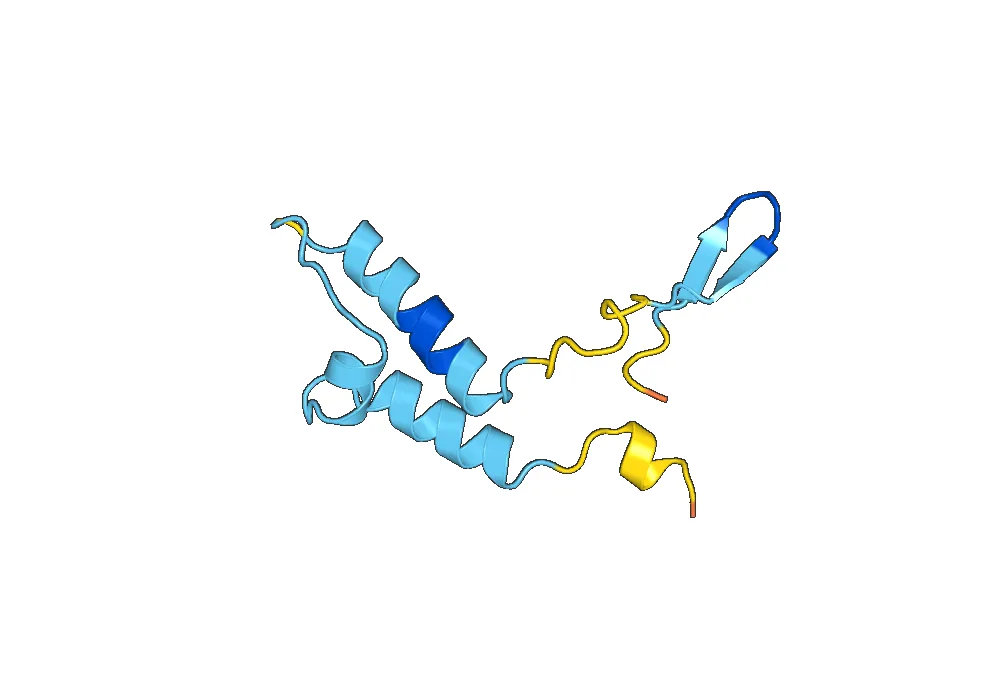
Recombinant Human CEPT1 Protein is a 120 kDa protein composed of 1057 amino acids. It contains a conserved catalytic domain and a conserved phospholipase D signature motif. The protein also has two transmembrane domains, which are essential for its function in lipid metabolism. It is expressed as a single polypeptide chain and undergoes post-translational modifications, including glycosylation and phosphorylation.
Activity of Recombinant Human CEPT1 Protein
Recombinant Human CEPT1 Protein is a key enzyme involved in the biosynthesis of phosphatidylcholine (PC), a major component of cell membranes. It catalyzes the hydrolysis of phosphatidylcholine to form phosphatidic acid and choline. This activity is essential for the maintenance of cellular membrane integrity and function.
In addition to its role in lipid metabolism, Recombinant Human CEPT1 Protein also has signaling functions. It has been shown to interact with various proteins, including small GTPases, and regulate their activity. This protein also plays a role in intracellular vesicle trafficking and membrane fusion processes.
Application of Recombinant Human CEPT1 Protein
Recombinant Human CEPT1 Protein has various applications in both research and clinical settings. Its role in lipid metabolism makes it a valuable tool for studying the mechanisms of lipid-related diseases, such as atherosclerosis. It is also used in drug discovery and development, as dysregulation of lipid metabolism is associated with various diseases, including cancer and metabolic disorders.
In the clinical setting, Recombinant Human CEPT1 Protein is used as an antigen in diagnostic assays for autoimmune diseases, such as systemic lupus erythematosus. It is also being investigated as a potential therapeutic target for various diseases, including cancer and neurological disorders.
Conclusion
In conclusion, Recombinant Human CEPT1 Protein is a crucial enzyme involved in cellular lipid metabolism. Its structure, activity, and various applications make it a valuable tool for both research and clinical purposes. Further studies on this protein may provide insights into the mechanisms of lipid-related diseases and lead to the development of novel treatments.



There are no reviews yet.