Introduction
Recombinant Human CGN Protein, also known as Recombinant Human Cognin, is a type of protein that is produced through genetic engineering techniques. It is a highly purified form of the human protein that plays a crucial role in various physiological processes. In this article, we will explore the structure, activity, and applications of Recombinant Human CGN Protein.
Structure of Recombinant Human CGN Protein
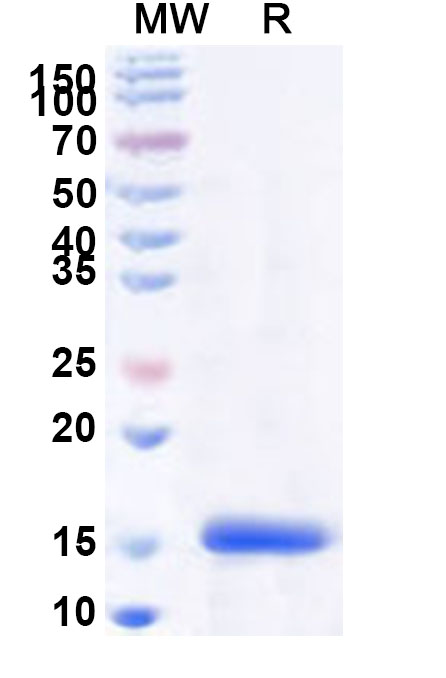
Recombinant Human CGN Protein is a glycoprotein with a molecular weight of approximately 25 kDa. It is composed of 223 amino acids and has a complex tertiary structure. The protein contains three disulfide bonds, which are essential for its stability and function. The primary structure of Recombinant Human CGN Protein is highly conserved among different species, indicating its importance in biological processes.
Activity of Recombinant Human CGN Protein
Recombinant Human CGN Protein is a member of the C-type lectin family and is primarily expressed in the liver and kidney. It is involved in various biological activities, including carbohydrate binding, cell adhesion, and immune response. The protein has a high affinity for galactose and N-acetylgalactosamine, which are present on the surface of many cells. This binding activity plays a crucial role in cell adhesion and recognition processes.
Moreover, Recombinant Human CGN Protein has been shown to modulate the immune response by interacting with immune cells such as T cells and dendritic cells. It can also bind to pathogens and initiate the innate immune response, making it an important component of the body’s defense mechanism.
Application of Recombinant Human CGN Protein
Recombinant Human CGN Protein has various applications in the fields of medicine and biotechnology. One of its primary uses is as a diagnostic tool for liver diseases. The protein is highly expressed in the liver and can be used as a biomarker for liver damage or disease. It can be detected in the blood and urine, making it a non-invasive and convenient diagnostic tool.
Furthermore, Recombinant Human CGN Protein has potential therapeutic applications. Studies have shown that it can inhibit the growth of cancer cells and induce cell death in certain types of cancer. It has also been found to have anti-inflammatory properties, making it a potential treatment for inflammatory diseases.
In biotechnology, Recombinant Human CGN Protein is used in the production of glycoproteins. Its high affinity for carbohydrates makes it a valuable tool in the purification and characterization of glycoproteins. It can also be used as a carrier protein for drug delivery, as it can specifically bind to target cells and tissues.
Conclusion
In summary, Recombinant Human CGN Protein is a glycoprotein with a complex structure and diverse biological activities. It plays a crucial role in cell adhesion, immune response, and has potential diagnostic and therapeutic applications. Its high affinity for carbohydrates makes it a valuable tool in biotechnology and drug delivery. Further research on this protein may uncover more potential applications and contribute to the development of new treatments for various diseases.


There are no reviews yet.