Introduction
Recombinant proteins have become a vital tool in modern biomedical research and drug development. These proteins are produced through genetic engineering techniques, making it possible to produce large quantities of pure and highly specific proteins for various applications. One such protein is Recombinant Human CXCL5/ENA-78, which has gained significant attention in recent years due to its role in inflammation and immune response. In this article, we will delve into the structure, activity, and applications of this important protein.
Structure of Recombinant Human CXCL5/ENA-78 Protein
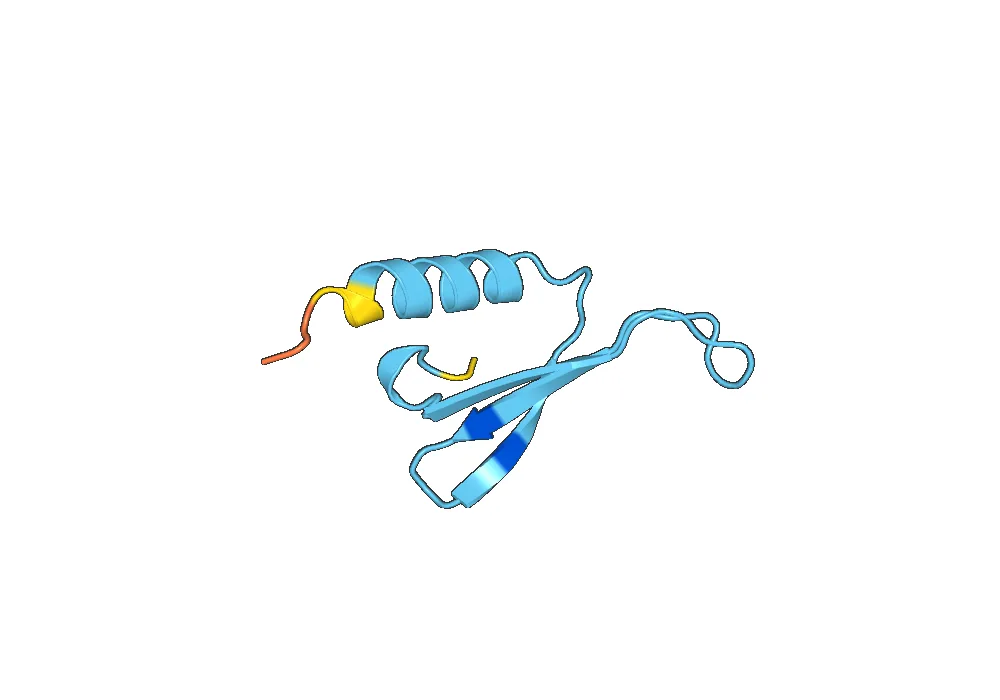
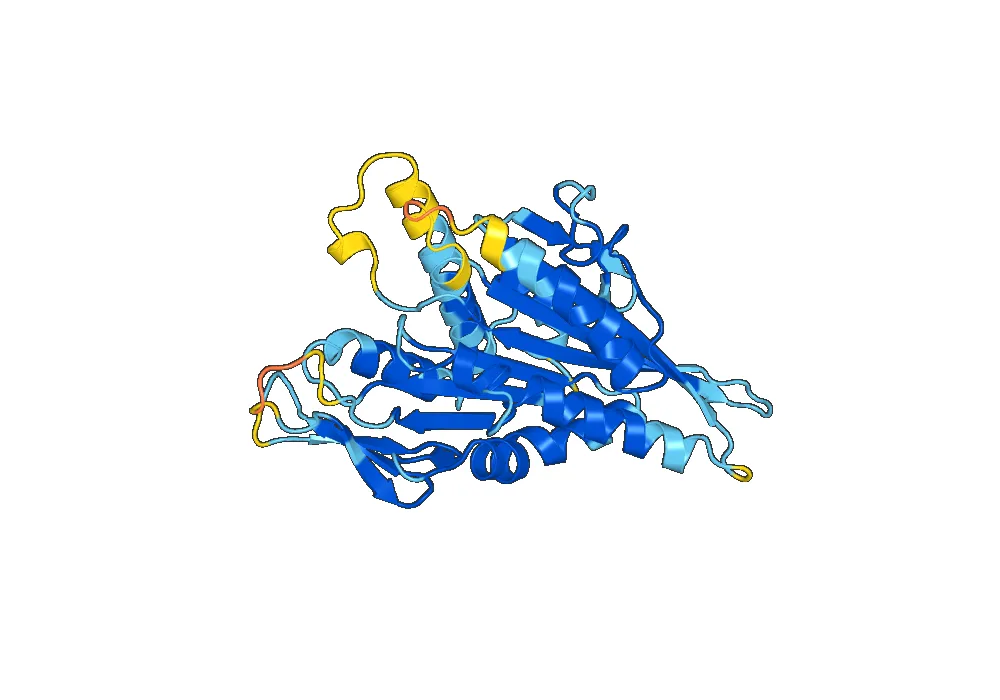
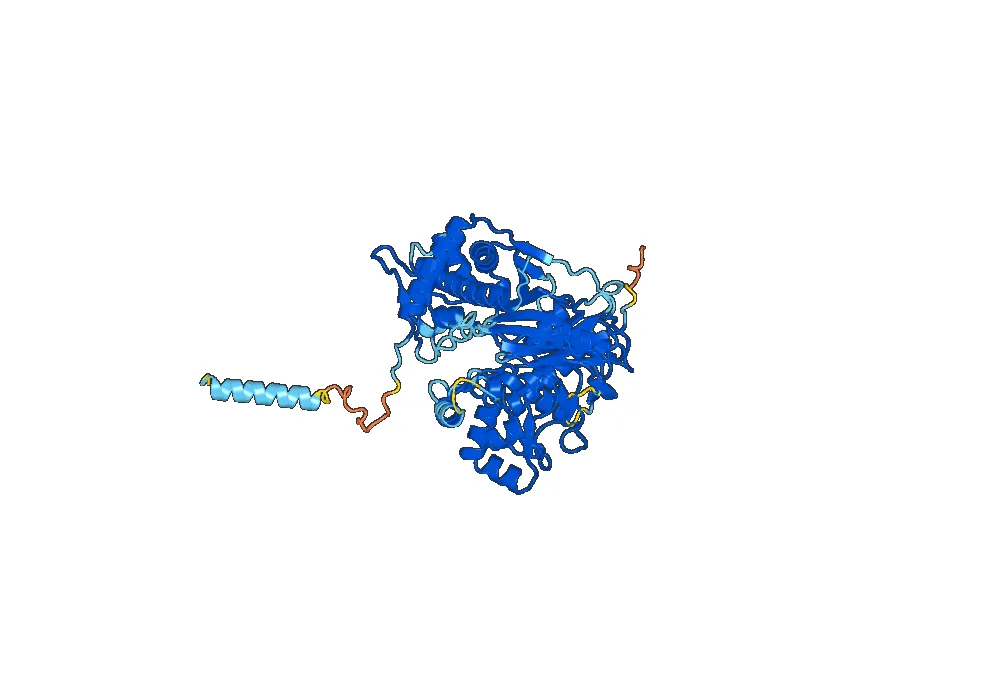
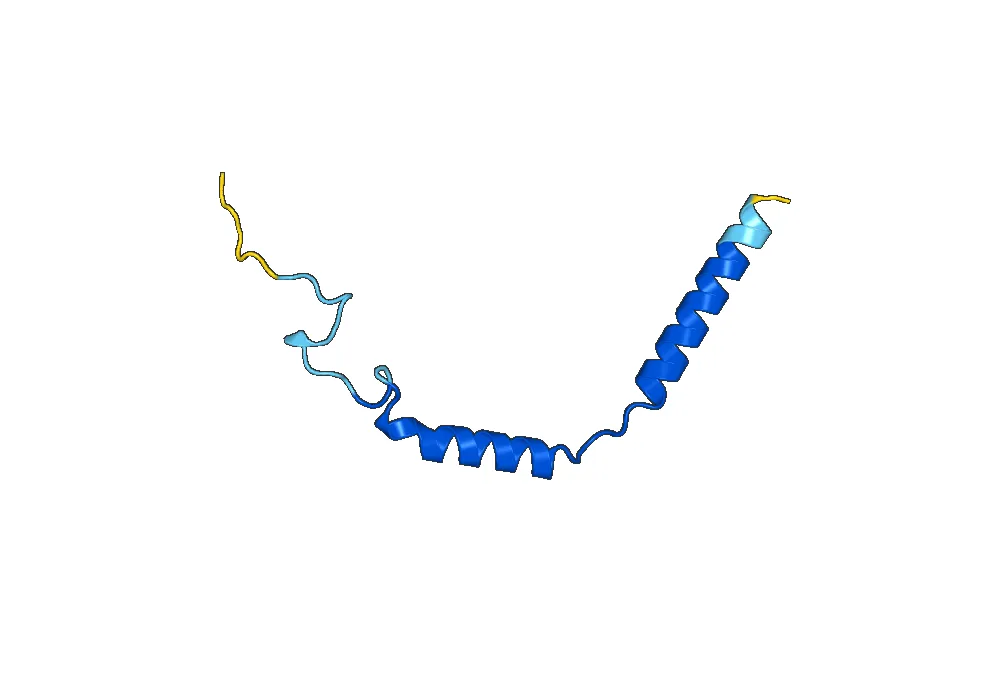
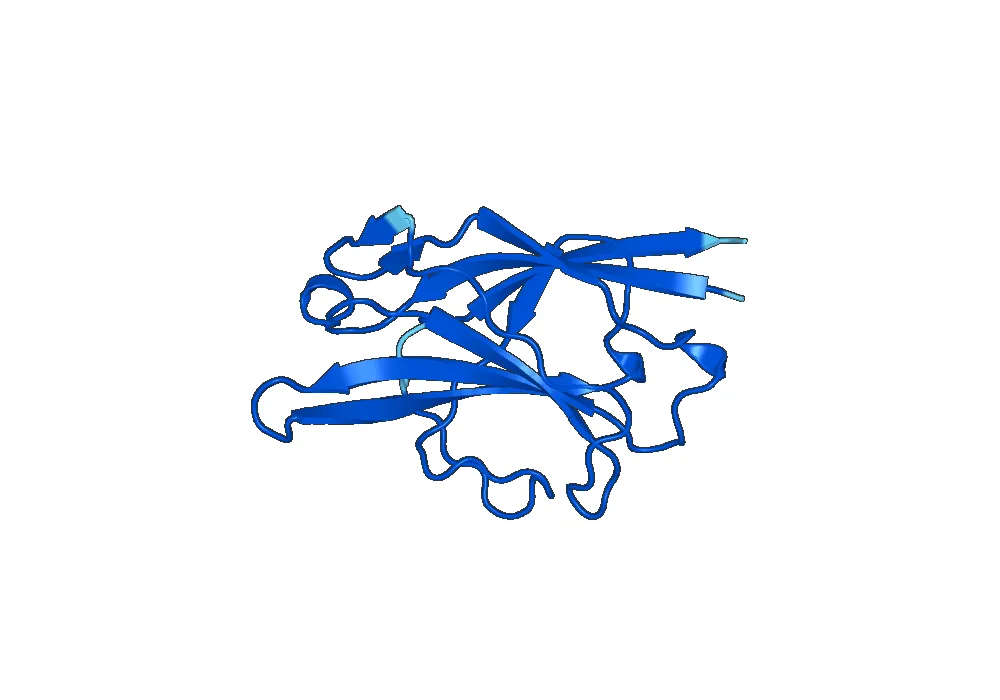
Recombinant Human CXCL5/ENA-78 is a member of the CXC chemokine family, which are small secreted proteins involved in immune response and inflammation. The protein is encoded by the CXCL5 gene and consists of 114 amino acids with a molecular weight of 12.5 kDa. It has a unique structure with a conserved N-terminal region and a variable C-terminal region. The N-terminal region contains four cysteine residues that form two disulfide bonds, while the C-terminal region is highly variable, giving rise to different isoforms of the protein.
Activity of Recombinant Human CXCL5/ENA-78 Protein
Recombinant Human CXCL5/ENA-78 protein plays a crucial role in recruiting and activating immune cells, particularly neutrophils, to sites of inflammation and infection. It does so by binding to its receptor, CXCR2, which is expressed on the surface of neutrophils. This interaction triggers a series of signaling events that lead to the migration of neutrophils to the site of inflammation. Additionally, Recombinant Human CXCL5/ENA-78 has been shown to have antimicrobial activity, further contributing to its role in immune defense.
Applications of Recombinant Human CXCL5/ENA-78 Protein
The unique structure and activity of Recombinant Human CXCL5/ENA-78 protein make it a valuable tool in various research and clinical applications. One of its primary uses is in the study of inflammation and immune response. By studying the interaction between the protein and its receptor, researchers can gain a better understanding of the underlying mechanisms of these processes. Additionally, Recombinant Human CXCL5/ENA-78 has been used in drug development, particularly in the development of anti-inflammatory and immunomodulatory drugs.
Furthermore, Recombinant Human CXCL5/ENA-78 has potential applications in the treatment of various diseases. Studies have shown that the protein is elevated in several inflammatory conditions, such as rheumatoid arthritis, inflammatory bowel disease, and asthma. By targeting the CXCL5/CXCR2 pathway, it may be possible to develop new therapies for these diseases. Additionally, the antimicrobial activity of Recombinant Human CXCL5/ENA-78 makes it a potential candidate for the treatment of infections caused by antibiotic-resistant bacteria.
Conclusion
In summary, Recombinant Human CXCL5/ENA-78 protein is a small but powerful molecule with a unique structure and diverse functions. Its role in inflammation and immune response has made it a valuable tool in research and drug development. As we continue to unravel the complexities of the human immune system, this protein holds great promise for the treatment of various diseases. With further research and development, Recombinant Human CXCL5/ENA-78 may pave the way for new and innovative therapies in the future.

There are no reviews yet.