Introduction
Recombinant Human HDAC9 (histone deacetylase 9) is a protein that plays a crucial role in epigenetic regulation, specifically in the process of deacetylation of histones. This protein is a member of the class II histone deacetylase family and is encoded by the HDAC9 gene. Recombinant Human HDAC9 is a highly studied protein due to its involvement in various cellular processes and its potential as a therapeutic target for diseases such as cancer and neurodegenerative disorders.
Structure of Recombinant Human HDAC9
Recombinant Human HDAC9 is a 1093 amino acid protein with a molecular weight of approximately 123 kDa. It is composed of three distinct domains: the N-terminal domain, the catalytic domain, and the C-terminal domain. The N-terminal domain is responsible for protein-protein interactions, while the catalytic domain contains the active site where deacetylation of histones takes place. The C-terminal domain is involved in DNA binding and nuclear localization of the protein.
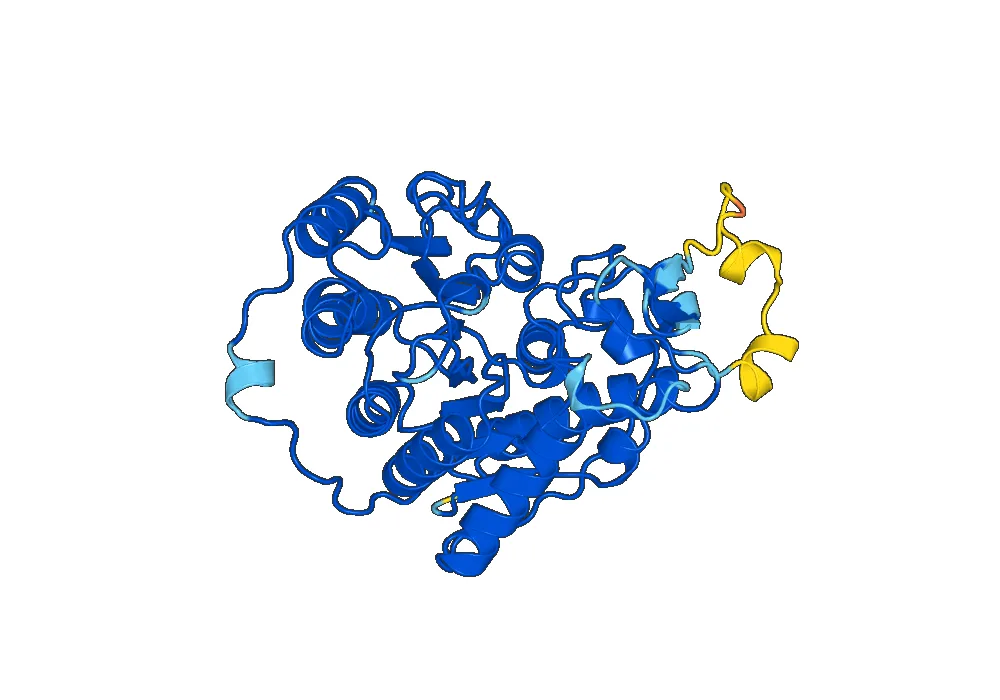
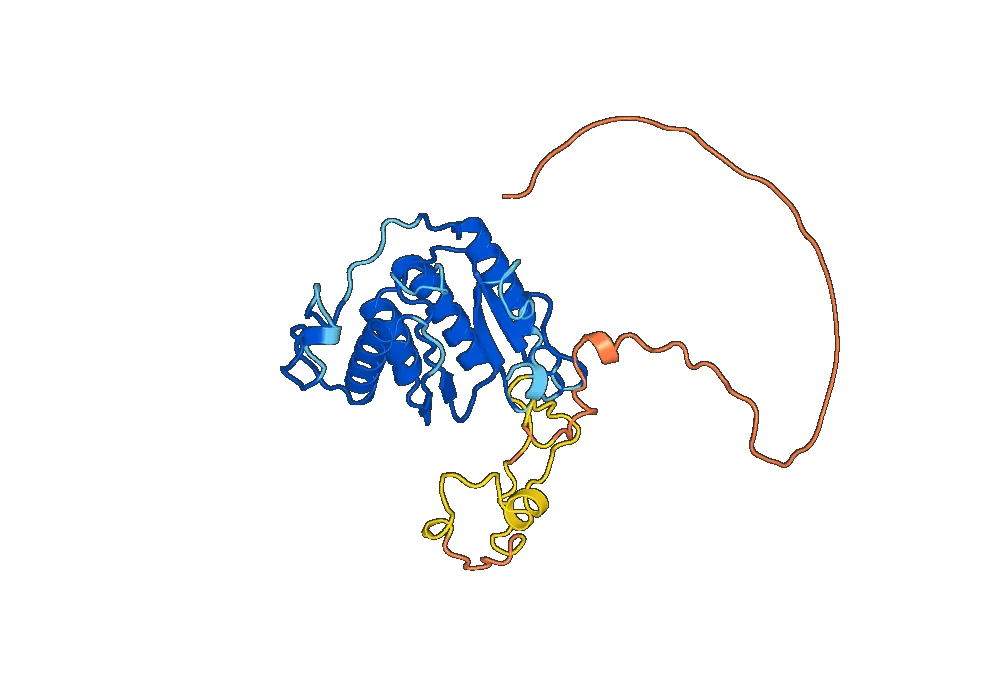
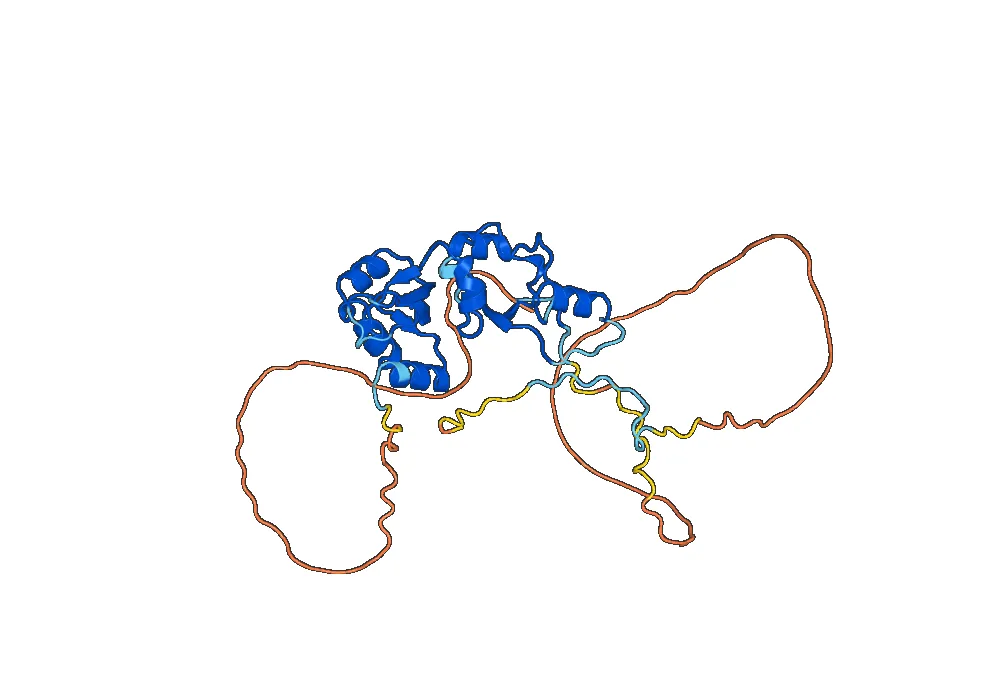
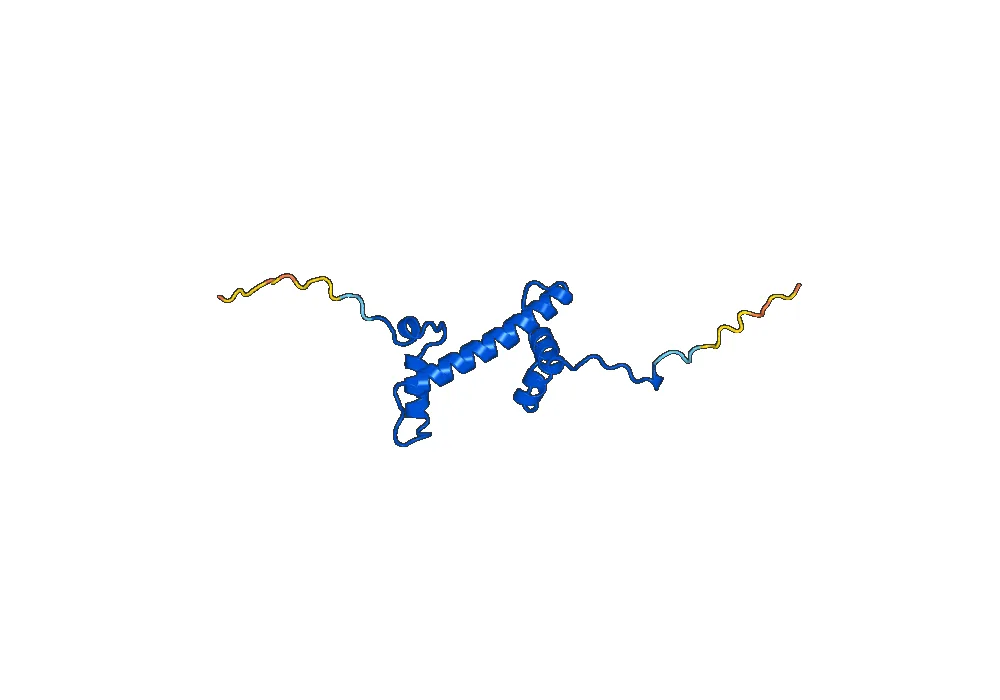
The crystal structure of Recombinant Human HDAC9 has been determined, revealing that it adopts a similar structure to other class II histone deacetylases. The catalytic domain contains a zinc-binding pocket, which is essential for the deacetylase activity of the protein. The N-terminal domain contains a conserved LXXLL motif, which is involved in the recruitment of co-repressors.
Activity of Recombinant Human HDAC9
Recombinant Human HDAC9 is a histone deacetylase, meaning it removes acetyl groups from lysine residues on histone proteins. This process is known as deacetylation and plays a crucial role in regulating gene expression. By removing acetyl groups, HDAC9 allows for the compaction of chromatin, making it less accessible for transcription factors and ultimately leading to gene silencing.
In addition to its role in histone deacetylation, Recombinant Human HDAC9 has been shown to have non-histone targets, including transcription factors and other proteins involved in cell signaling pathways. This suggests that HDAC9 may have a broader role in regulating cellular processes beyond gene expression.
Application of Recombinant Human HDAC9
Recombinant Human HDAC9 has been extensively studied for its potential as a therapeutic target in various diseases. As mentioned earlier, HDAC9 is involved in the regulation of gene expression, and dysregulation of this process has been linked to several diseases, including cancer and neurodegenerative disorders.
In cancer, HDAC9 has been shown to be overexpressed in various types of tumors, and its inhibition has been found to induce cell death and inhibit tumor growth. This makes HDAC9 an attractive target for cancer therapy, and several HDAC9 inhibitors are currently in clinical trials.
In neurodegenerative disorders such as Alzheimer’s and Parkinson’s disease, HDAC9 has been implicated in the regulation of neuronal survival and function. Inhibition of HDAC9 has been found to protect against neuronal cell death, making it a potential therapeutic target for these diseases.
In addition to its potential as a therapeutic target, Recombinant Human HDAC9 has also been used in research studies to better understand its role in cellular processes. Recombinant HDAC9 protein can be used to study its enzymatic activity and interactions with other proteins, providing valuable insights into its function.
Conclusion
Recombinant Human HDAC9 is a crucial protein involved in epigenetic regulation through histone deacetylation. Its structure, activity, and potential as a therapeutic target make it a highly studied protein in the field of molecular biology and medicine. With ongoing research and clinical trials, Recombinant Human HDAC9 holds promise for the development of novel treatments for various diseases.


There are no reviews yet.