Recombinant Human HIKESHI Protein: Structure, Activity, and Applications
Recombinant proteins have become an essential tool in the field of biotechnology, offering a wide range of applications in research, diagnostics, and therapeutics. One such recombinant protein is Human HIKESHI, which has gained significant attention due to its unique structure and diverse functions. In this article, we will delve into the details of Recombinant Human HIKESHI Protein, its structure, activity, and applications.
Structure of Recombinant Human HIKESHI Protein
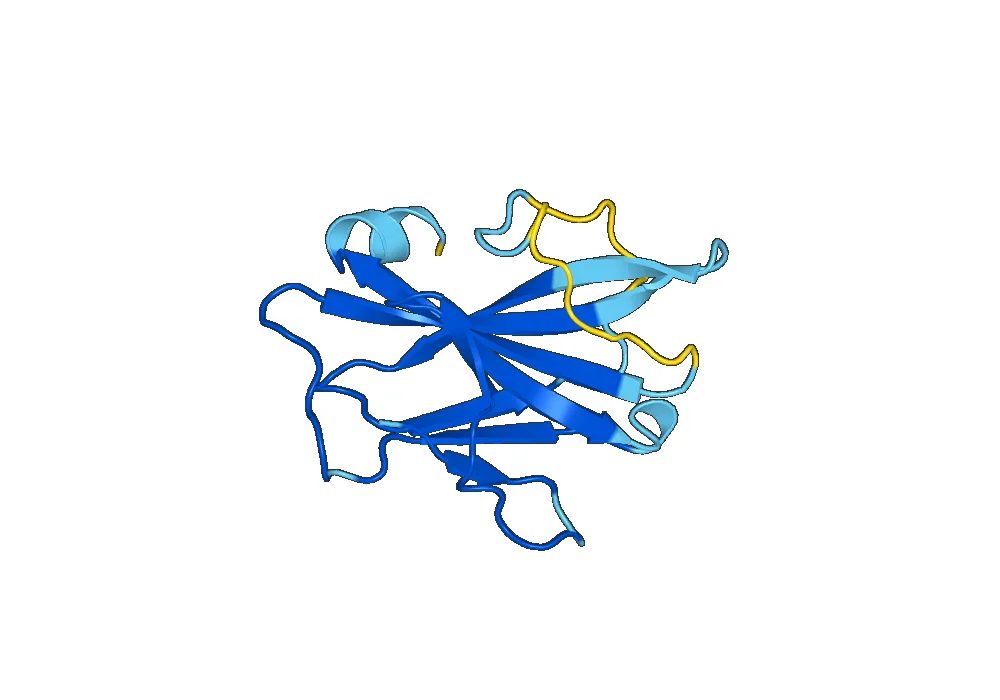
Recombinant Human HIKESHI Protein is a 60 kDa protein that belongs to the heat shock protein family. It is encoded by the HIKESHI gene, which is located on chromosome 11 in humans. The protein is composed of 522 amino acids and contains several functional domains, including a nuclear localization signal, a coiled-coil domain, and a heat shock protein 70 (HSP70)-binding domain.
The protein exists as a homodimer, with each monomer consisting of three domains: an N-terminal domain, a central domain, and a C-terminal domain. The N-terminal domain contains the nuclear localization signal and plays a crucial role in the nuclear import of the protein. The central domain contains the coiled-coil region, which is involved in protein-protein interactions, and the C-terminal domain contains the HSP70-binding domain, which is responsible for the chaperone activity of the protein.
Activity of Recombinant Human HIKESHI Protein
Recombinant Human HIKESHI Protein has been found to have a wide range of activities, making it a versatile protein in various cellular processes. One of its primary functions is its role as a co-chaperone for HSP70, which helps in the proper folding and stabilization of other proteins. It also has been shown to interact with other heat shock proteins, such as HSP90 and HSP27, indicating its involvement in the cellular stress response.
In addition to its chaperone activity, Recombinant Human HIKESHI Protein has also been found to play a role in transcriptional regulation. It has been shown to interact with transcription factors, such as p53 and p73, and regulate their activity. This suggests its involvement in the regulation of cell growth and apoptosis.
Furthermore, studies have also demonstrated the role of Recombinant Human HIKESHI Protein in the DNA damage response. It has been shown to interact with DNA repair proteins and participate in the repair of damaged DNA, highlighting its importance in maintaining genomic stability.
Applications of Recombinant Human HIKESHI Protein
The unique structure and diverse activities of Recombinant Human HIKESHI Protein have made it a valuable tool in various applications. One of its primary applications is in the field of cancer research. The protein has been found to be overexpressed in several types of cancer, including breast, liver, and lung cancer. Its involvement in the cellular stress response and DNA damage repair pathways make it a potential target for cancer therapy.
Moreover, Recombinant Human HIKESHI Protein has also been utilized in the development of diagnostic assays for cancer. Its overexpression in cancer cells makes it a potential biomarker for early detection and monitoring of cancer progression.
In addition to cancer research, Recombinant Human HIKESHI Protein has also been used in neurodegenerative disease research. Studies have shown its involvement in protein misfolding and aggregation, which are key processes in neurodegenerative diseases such as Alzheimer’s and Parkinson’s. Its role as a co-chaperone for HSP70 makes it a potential target for the development of therapeutic interventions for these diseases.
Conclusion
In summary, Recombinant Human HIKESHI Protein is a 60 kDa protein with a unique structure and


There are no reviews yet.