Introduction
The use of recombinant proteins has revolutionized the field of biotechnology and has become an essential tool in various research areas. One such recombinant protein is the human HSPA9/Mortalin/GRP75 protein, which plays a crucial role in cellular processes and has a wide range of applications in both basic and clinical research. In this article, we will explore the structure, activity, and applications of recombinant human HSPA9/Mortalin/GRP75 protein.
Structure of Recombinant Human HSPA9/Mortalin/GRP75 Protein
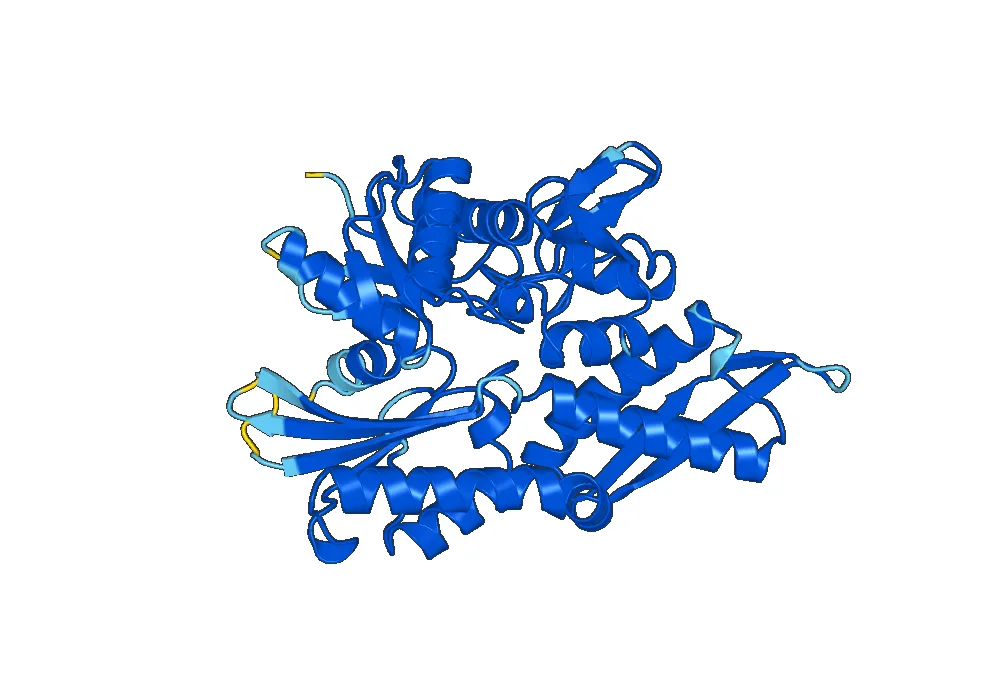
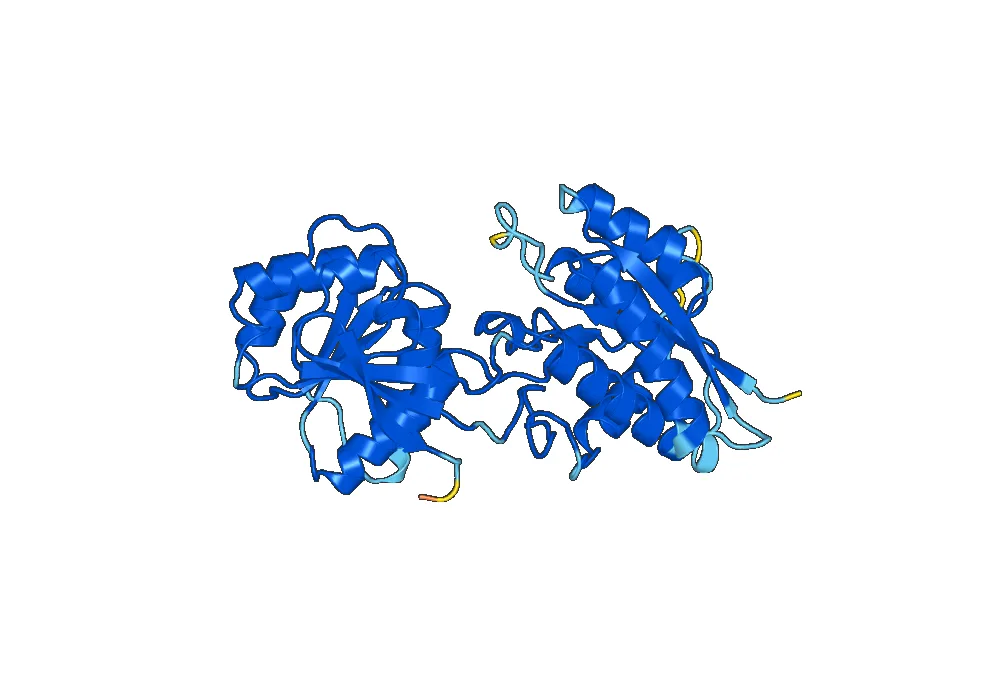
The human HSPA9/Mortalin/GRP75 protein is a 75 kDa molecular chaperone that belongs to the heat shock protein 70 (HSP70) family. It is encoded by the HSPA9 gene and is composed of 678 amino acids. The protein has a highly conserved ATPase domain, which is responsible for its chaperone activity. It also contains a C-terminal peptide-binding domain that interacts with unfolded or misfolded proteins, preventing their aggregation and promoting their proper folding.
Recombinant human HSPA9/Mortalin/GRP75 protein is produced using recombinant DNA technology, where the gene encoding the protein is inserted into a suitable expression vector and expressed in a host cell. This allows for the production of large quantities of pure and functional protein, making it an essential tool for various research applications.
Activity of Recombinant Human HSPA9/Mortalin/GRP75 Protein
The main function of HSPA9/Mortalin/GRP75 protein is to act as a molecular chaperone, assisting in the folding, assembly, and transport of proteins within the cell. It binds to newly synthesized or unfolded proteins, preventing their aggregation and promoting their proper folding. This activity is essential for maintaining cellular homeostasis and preventing the accumulation of misfolded proteins, which can lead to various diseases.
Moreover, HSPA9/Mortalin/GRP75 protein also plays a crucial role in the mitochondrial protein import process. It interacts with mitochondrial precursor proteins and facilitates their translocation into the mitochondria, ensuring proper protein localization and function. This activity is essential for maintaining mitochondrial function and cellular energy production.
Applications of Recombinant Human HSPA9/Mortalin/GRP75 Protein
Recombinant human HSPA9/Mortalin/GRP75 protein has a wide range of applications in both basic and clinical research. Its chaperone activity makes it a valuable tool for studying protein folding and aggregation, as well as protein-protein interactions. It is also used in the production of recombinant proteins, as it can assist in their proper folding and prevent their degradation.
In cancer research, HSPA9/Mortalin/GRP75 protein has been identified as a potential therapeutic target. It is overexpressed in various types of cancer cells and has been shown to promote cell survival and drug resistance. Recombinant human HSPA9/Mortalin/GRP75 protein can be used to study its role in cancer progression and to develop novel anti-cancer therapies.
Furthermore, HSPA9/Mortalin/GRP75 protein has been implicated in several neurodegenerative diseases, such as Alzheimer’s and Parkinson’s disease. Its chaperone activity is crucial for maintaining protein homeostasis in the brain, and its dysfunction has been linked to the accumulation of misfolded proteins, a hallmark of these diseases. Recombinant human HSPA9/Mortalin/GRP75 protein can be used to study its role in these diseases and to develop potential therapeutic interventions.
Conclusion
In summary, recombinant human HSPA9/Mortalin/GRP75 protein is a vital tool in the field of biotechnology. Its structure, activity, and wide range of applications make it an essential protein for studying protein folding, protein-protein interactions, and various diseases. With ongoing research,

There are no reviews yet.