Introduction to Recombinant Human IL2 Protein
Recombinant Human IL2 Protein, also known as Interleukin-2, is a cytokine that plays a crucial role in the immune response. It is produced by activated T cells and acts as a growth factor for T cells, B cells, and natural killer cells. Recombinant Human IL2 Protein is a synthetic form of this cytokine that is produced through genetic engineering techniques, making it a valuable tool in various research and medical applications.
Structure of Recombinant Human IL2 Protein
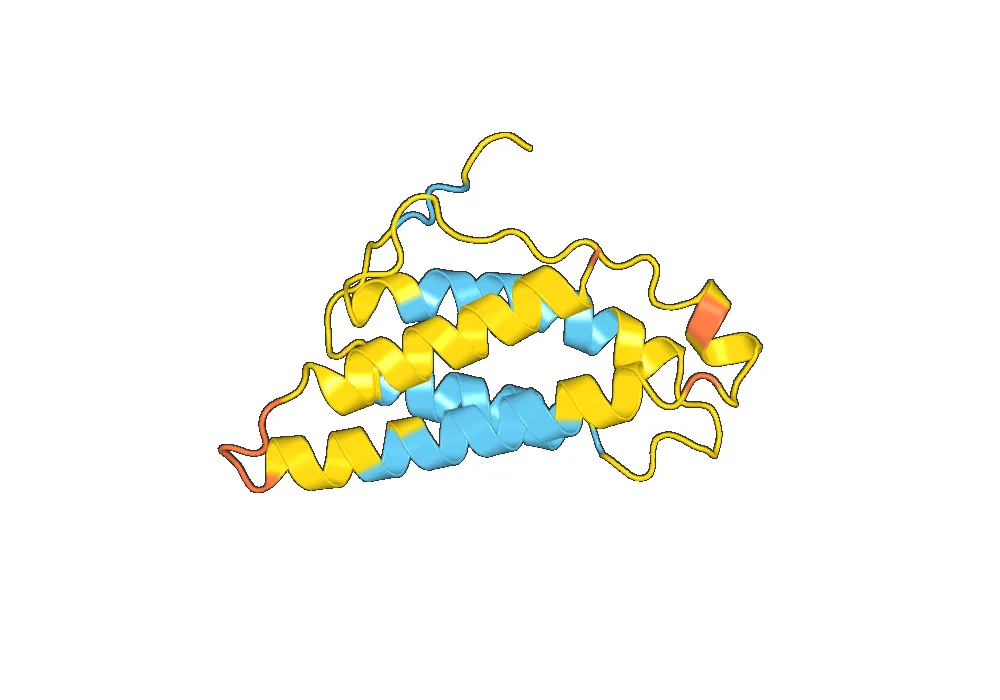
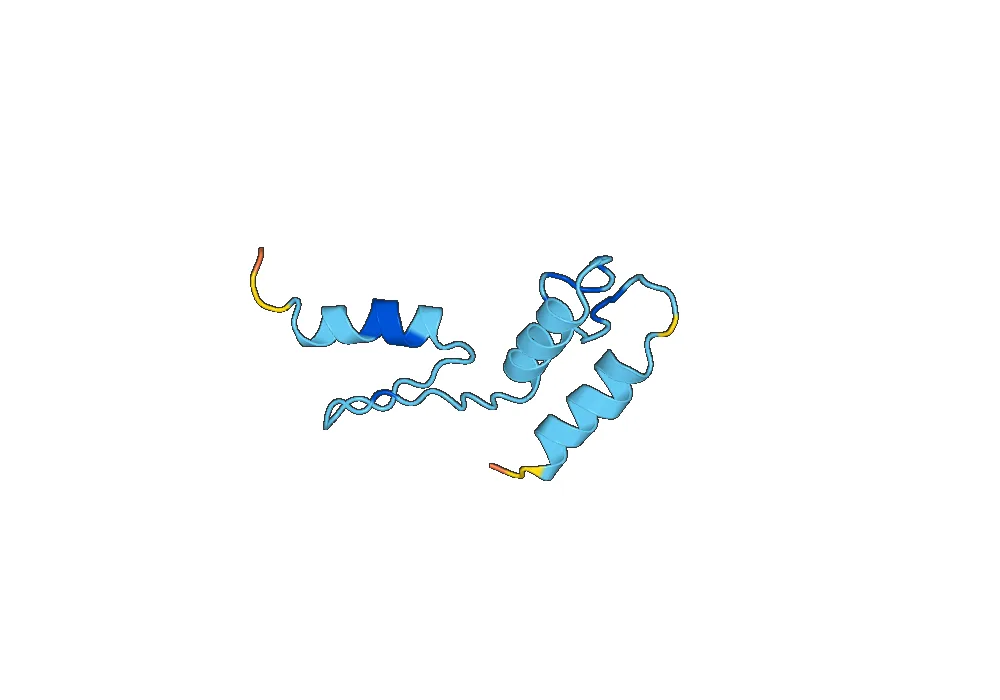
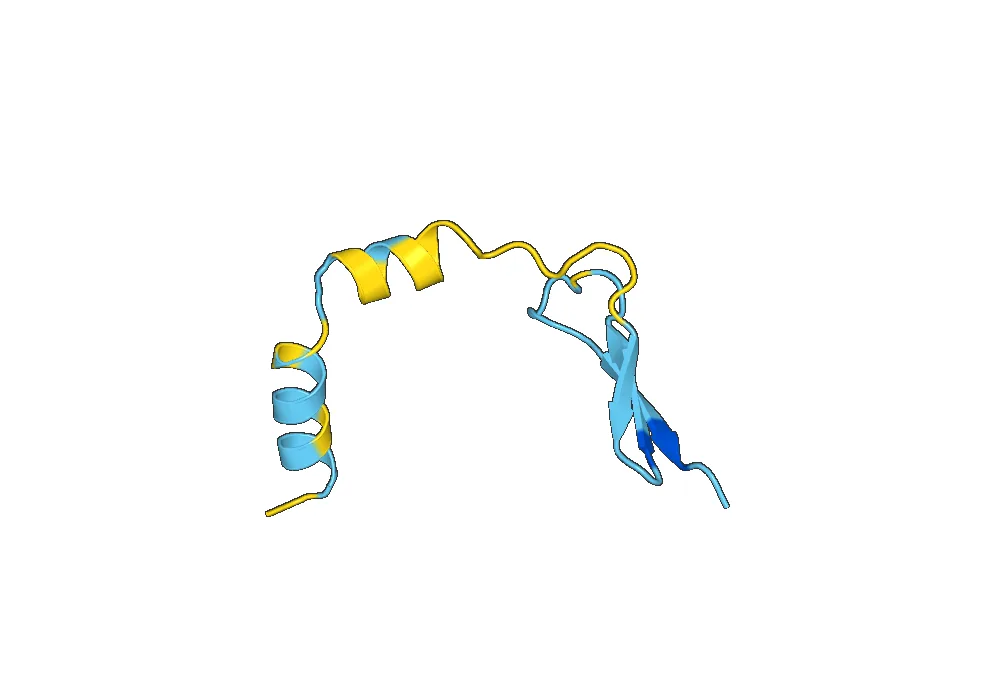
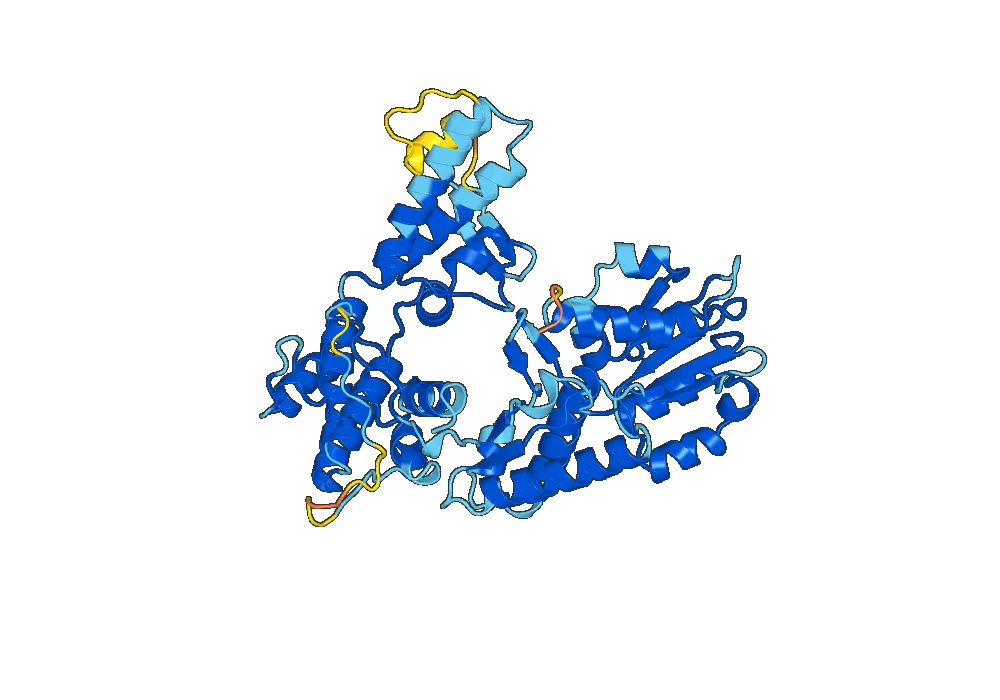
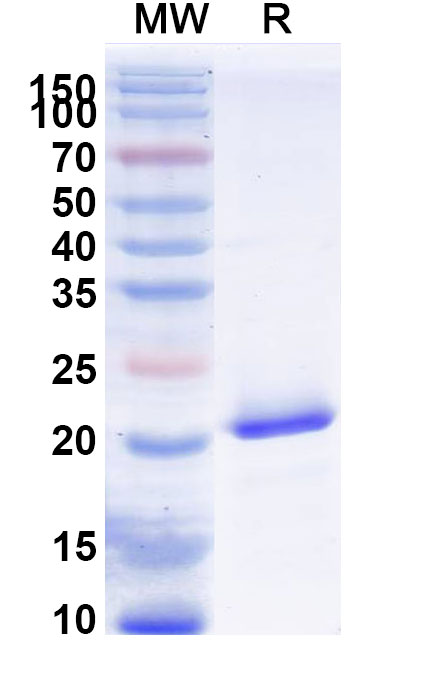
Recombinant Human IL2 Protein is a small, soluble protein composed of 133 amino acids. It has a molecular weight of approximately 15 kDa. The protein has a three-dimensional structure consisting of six alpha-helices, forming a compact globular shape. This structure is essential for the protein’s biological activity, as it allows it to bind to its receptors and initiate signaling pathways.
Activity of Recombinant Human IL2 Protein
Recombinant Human IL2 Protein is a potent immunomodulatory cytokine that regulates the proliferation and differentiation of various immune cells. It binds to the IL2 receptor on the surface of T cells, B cells, and natural killer cells, activating them and promoting their growth and survival. This activity is crucial for the immune response against infections and cancer.
Moreover, Recombinant Human IL2 Protein also has anti-inflammatory properties, which have been studied for its potential use in autoimmune diseases. It can suppress the production of pro-inflammatory cytokines and promote the production of anti-inflammatory cytokines, thus balancing the immune response.
Applications of Recombinant Human IL2 Protein
Recombinant Human IL2 Protein has various applications in research and medicine, thanks to its potent immune-stimulating properties. One of the most common uses of this protein is in cancer immunotherapy. By promoting the growth and activation of immune cells, Recombinant Human IL2 Protein can enhance the body’s natural ability to fight cancer cells. It has been used in clinical trials for the treatment of melanoma, renal cell carcinoma, and other types of cancer.
Another significant application of Recombinant Human IL2 Protein is in the treatment of viral infections. It has been shown to enhance the immune response against viruses, such as HIV and hepatitis B, by stimulating the production of virus-specific T cells. This has led to the development of potential treatments for these viral infections.
Furthermore, Recombinant Human IL2 Protein has been used in research to study the immune system and its response to various diseases. It has also been used to investigate the role of IL2 in autoimmune diseases and to develop potential treatments for these conditions.
Conclusion
Recombinant Human IL2 Protein is a valuable tool in the field of immunology, with various applications in research and medicine. Its structure, activity, and applications make it a crucial protein in understanding and harnessing the power of the immune system. With ongoing research and development, Recombinant Human IL2 Protein has the potential to revolutionize the treatment of various diseases and improve our understanding of the immune response.


There are no reviews yet.