Introduction
Recombinant Human KAT5, also known as lysine acetyltransferase 5, is a protein that plays a crucial role in regulating gene expression through the process of histone acetylation. This protein is encoded by the KAT5 gene and is a member of the MYST family of histone acetyltransferases. Recombinant Human KAT5 is widely used in research and has potential applications in various fields such as epigenetics, cancer therapy, and drug development.
Structure of Recombinant Human KAT5
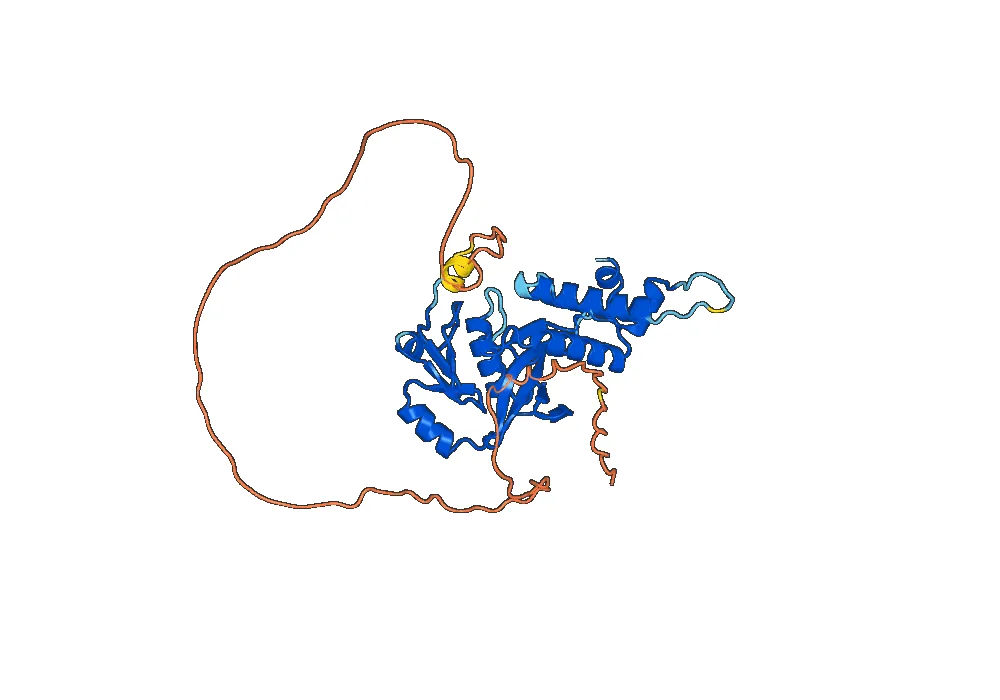
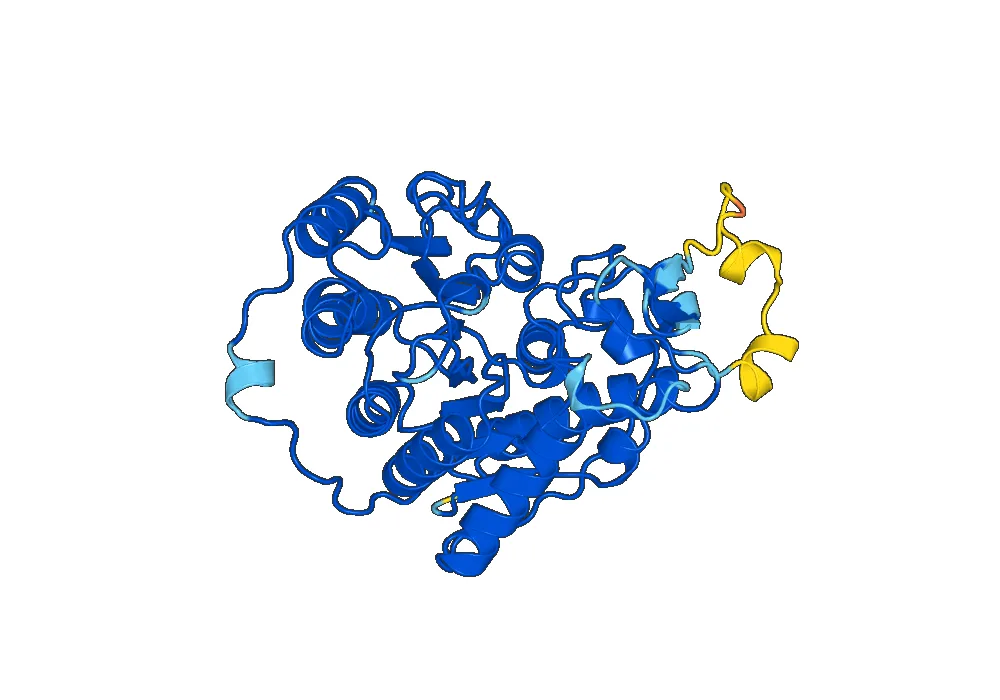
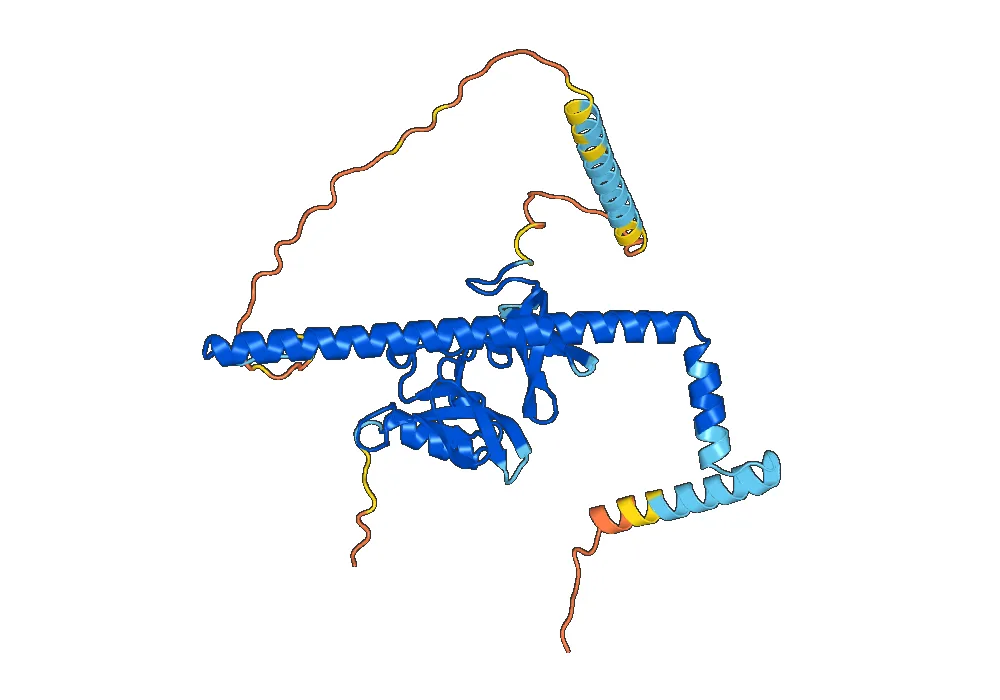
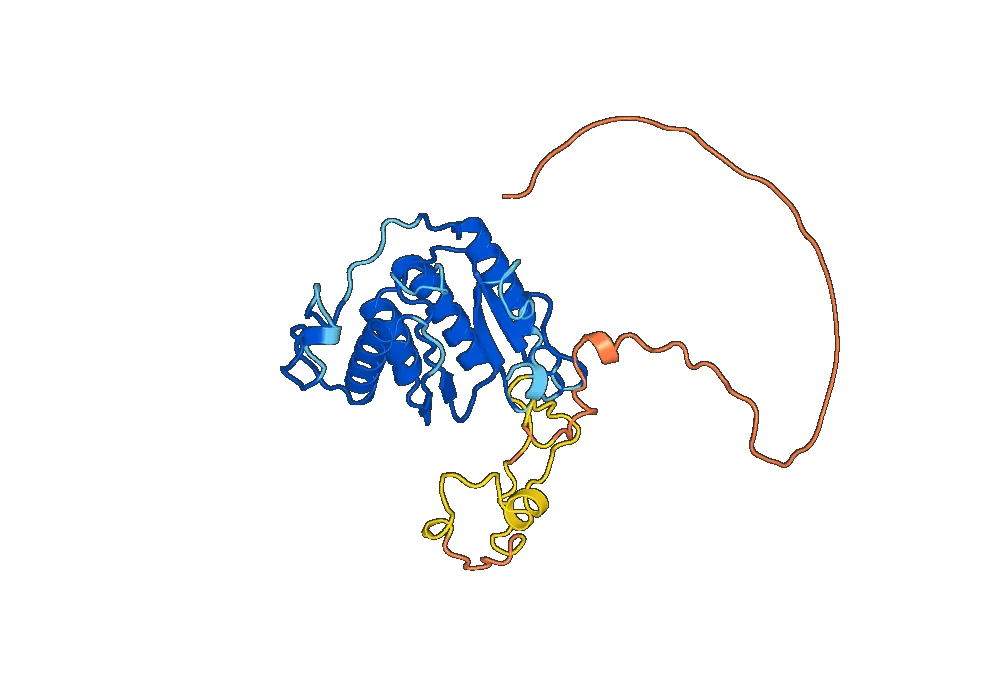
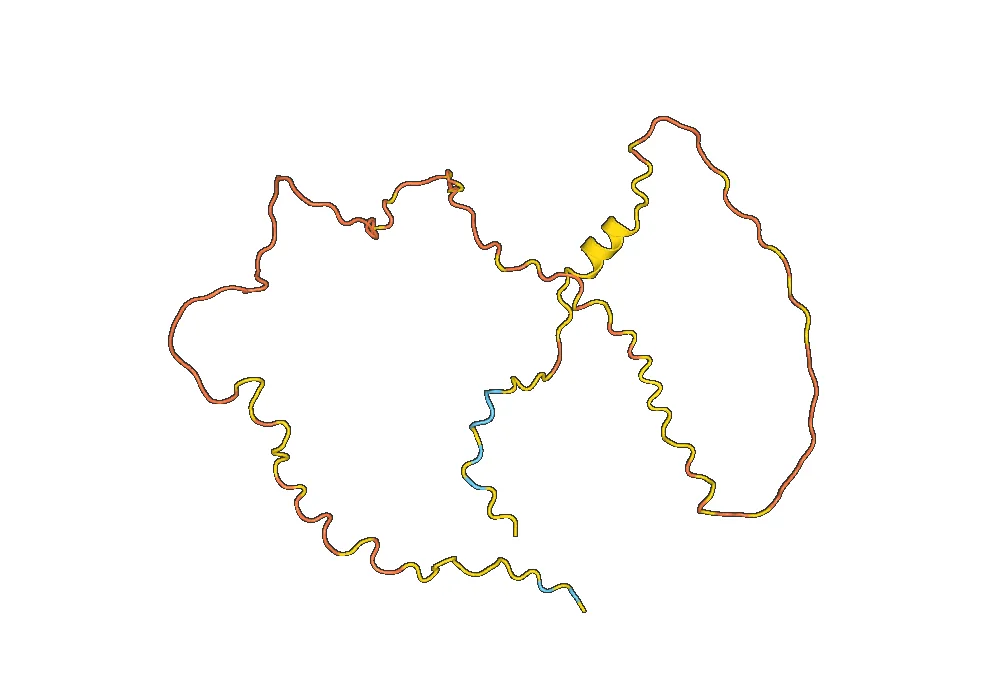
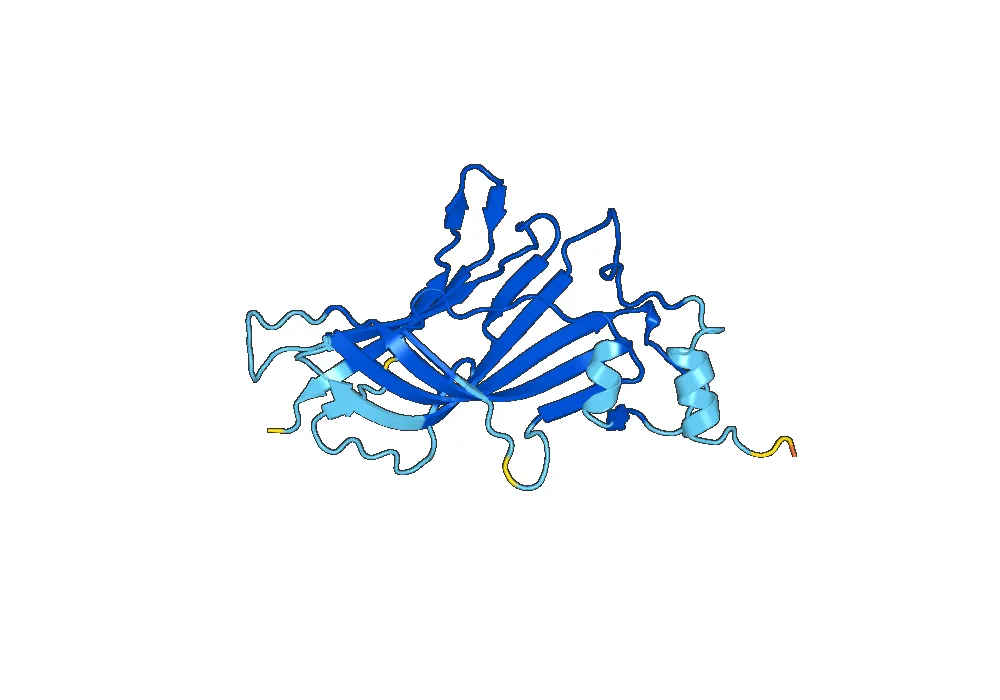
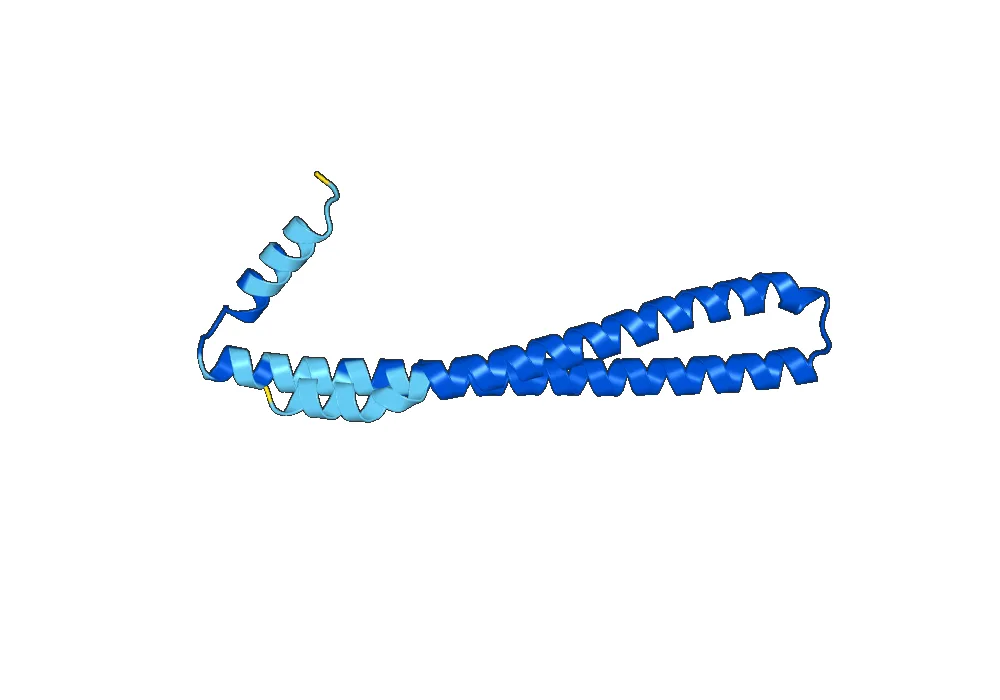
Recombinant Human KAT5 is a 530 amino acid protein with a molecular weight of approximately 60 kDa. It contains a conserved MYST domain, which is responsible for its acetyltransferase activity, and a C-terminal bromodomain, which is involved in protein-protein interactions. This protein also has a nuclear localization signal, indicating its role in the nucleus.
Activity of Recombinant Human KAT5
Recombinant Human KAT5 is a lysine acetyltransferase, meaning it catalyzes the transfer of an acetyl group from acetyl-CoA to lysine residues on histone proteins. Histone acetylation is a crucial post-translational modification that regulates gene expression by altering the structure of chromatin. By acetylating histones, Recombinant Human KAT5 promotes a more open chromatin structure, allowing for easier access of transcription factors to DNA and thus enhancing gene transcription.
In addition to histones, Recombinant Human KAT5 can also acetylate non-histone proteins such as p53, a tumor suppressor protein. This acetylation of p53 leads to its stabilization and activation, resulting in cell cycle arrest and apoptosis. This activity of Recombinant Human KAT5 makes it a potential target for cancer therapy.
Application of Recombinant Human KAT5
Recombinant Human KAT5 has a wide range of applications in various fields of research. Its role in regulating gene expression makes it an important tool in the study of epigenetics. Researchers can use this protein to investigate the effects of histone acetylation on gene expression and its implications in various cellular processes.
In the field of cancer research, Recombinant Human KAT5 has potential applications in both diagnosis and treatment. Its ability to acetylate p53 makes it a potential biomarker for cancer diagnosis and prognosis. In addition, targeting Recombinant Human KAT5 with specific inhibitors can lead to the development of novel cancer therapies.
Moreover, Recombinant Human KAT5 has been studied for its role in neurological disorders. Research has shown that mutations in the KAT5 gene can lead to neurodevelopmental disorders such as Rubinstein-Taybi syndrome. By studying the activity of Recombinant Human KAT5, researchers can gain a better understanding of the underlying mechanisms of these disorders and potentially develop targeted treatments.
In the field of drug development, Recombinant Human KAT5 is a valuable tool for screening potential inhibitors and studying their effects on histone acetylation. This can aid in the development of new drugs for various diseases, including cancer and neurological disorders.
Conclusion
In summary, Recombinant Human KAT5 is a crucial protein involved in regulating gene expression through histone acetylation. Its structure, activity, and potential applications make it a valuable tool in various fields of research. With ongoing studies and advancements in technology, Recombinant Human KAT5 continues to play a significant role in understanding and potentially treating various diseases.


There are no reviews yet.