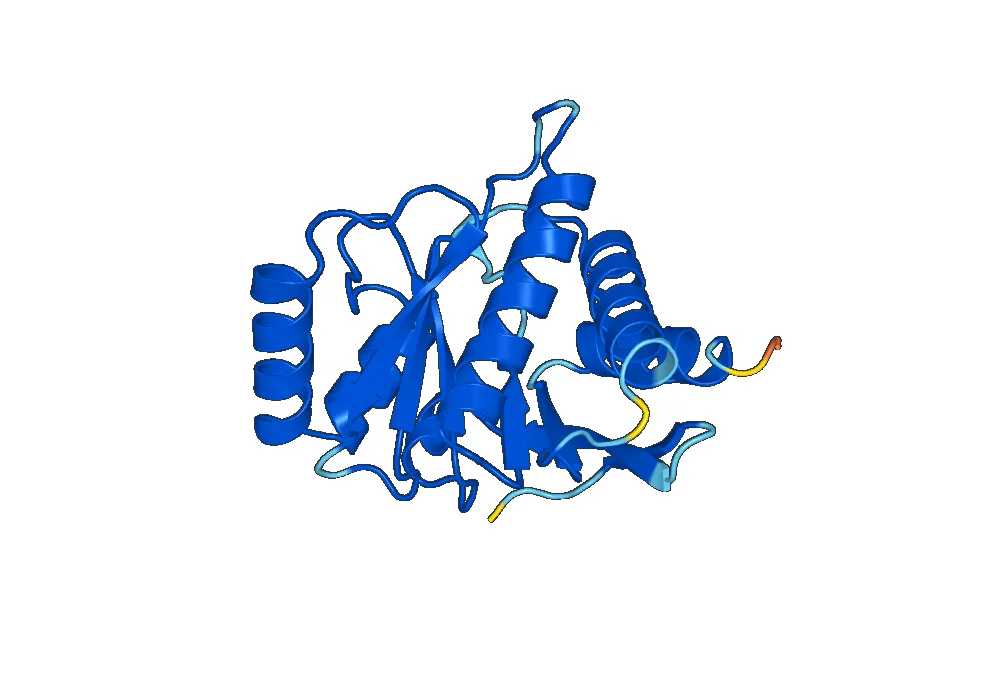
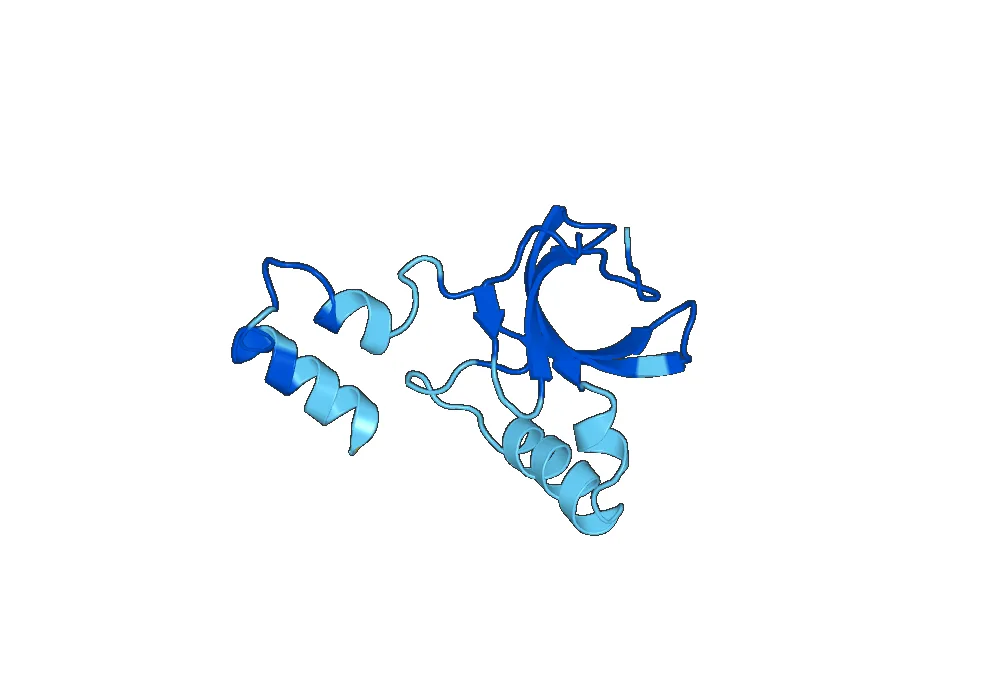
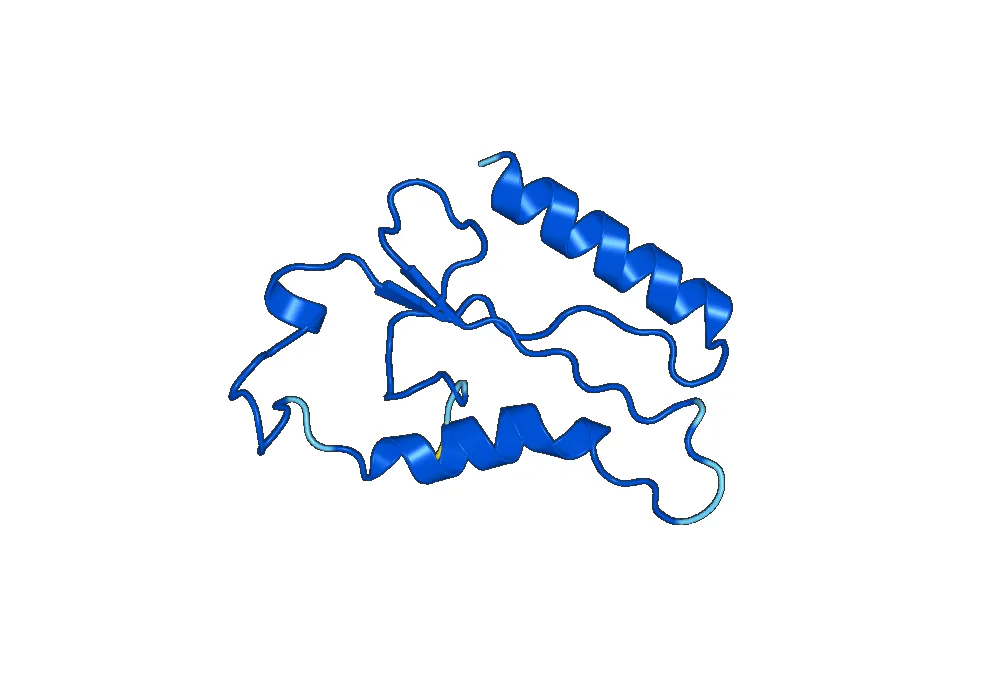
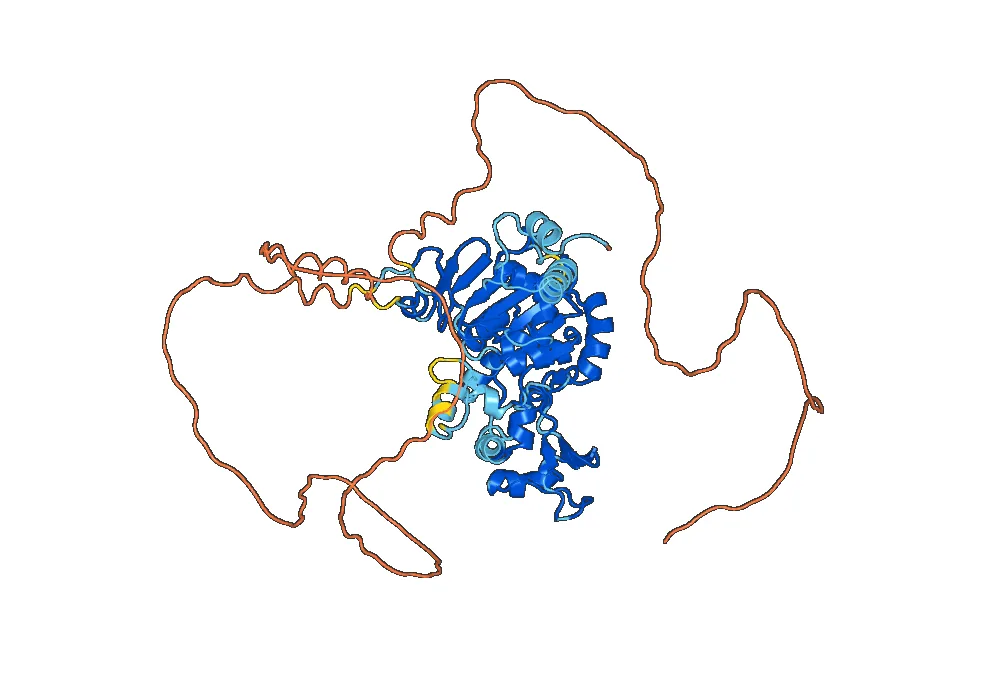
Structure of Recombinant Human MACROH2A2 Protein
The Recombinant Human MACROH2A2 Protein is a highly conserved nuclear protein that plays a crucial role in chromatin remodeling and gene expression regulation. It is encoded by the MACROH2A2 gene and is a member of the macroH2A family of histone variants.
The protein has a molecular weight of approximately 66 kDa and consists of 587 amino acids. It contains a histone fold domain, which is responsible for its incorporation into chromatin, and a macro domain, which is involved in various cellular processes such as DNA damage response and RNA metabolism.
Additionally, the Recombinant Human MACROH2A2 Protein has a unique C-terminal domain that is rich in lysine and arginine residues. This domain is thought to be responsible for its specific localization to heterochromatin regions of the genome.
Activity of Recombinant Human MACROH2A2 Protein
The main activity of Recombinant Human MACROH2A2 Protein is its role in chromatin remodeling. It is incorporated into chromatin in a cell cycle-dependent manner and is involved in the regulation of gene expression. Studies have shown that it can act as both a transcriptional activator and repressor, depending on the context of the chromatin environment.
Furthermore, the Recombinant Human MACROH2A2 Protein has been found to play a critical role in DNA damage response. It is recruited to DNA double-strand breaks and is involved in the repair process. It has also been shown to interact with other proteins involved in DNA damage repair, such as PARP1 and XRCC1.
In addition to its role in chromatin remodeling and DNA damage response, the Recombinant Human MACROH2A2 Protein has been implicated in other cellular processes. It has been shown to interact with RNA molecules and may play a role in RNA metabolism. It has also been linked to cellular senescence and aging, as its expression has been found to decrease with age.
Application of Recombinant Human MACROH2A2 Protein
The Recombinant Human MACROH2A2 Protein has a wide range of applications in both basic research and clinical settings. Its role in chromatin remodeling makes it a valuable tool for studying gene expression regulation and epigenetics. It can be used to investigate the effects of histone variants on chromatin structure and function, as well as their role in various cellular processes.
Furthermore, the Recombinant Human MACROH2A2 Protein has potential clinical applications. Its involvement in DNA damage repair makes it a potential target for cancer therapy. In fact, studies have shown that its depletion can sensitize cancer cells to chemotherapy drugs, making it a promising candidate for combination therapy in cancer treatment.
In addition, the Recombinant Human MACROH2A2 Protein has been identified as a potential biomarker for various diseases. Its altered expression has been linked to several types of cancer, as well as neurodegenerative diseases such as Alzheimer’s and Parkinson’s. Therefore, it may serve as a diagnostic or prognostic marker for these conditions.
Conclusion
In summary, the Recombinant Human MACROH2A2 Protein is a highly conserved nuclear protein with a unique structure and diverse activities. Its role in chromatin remodeling, DNA damage response, and other cellular processes makes it a valuable tool for research and a potential target for therapeutic interventions. Its potential as a biomarker also highlights its importance in disease diagnosis and management. Further studies on this protein may provide valuable insights into its functions and potential applications in the future.



There are no reviews yet.