Introduction
Recombinant Human MAD1L1 Protein, also known as Mitotic Arrest Deficient 1-Like Protein 1, is a key regulatory protein involved in the cell cycle. It plays a crucial role in the maintenance of genomic stability and proper cell division. This protein is encoded by the MAD1L1 gene and has been extensively studied for its structure, activity, and potential applications in various fields of research.
Structure of Recombinant Human MAD1L1 Protein
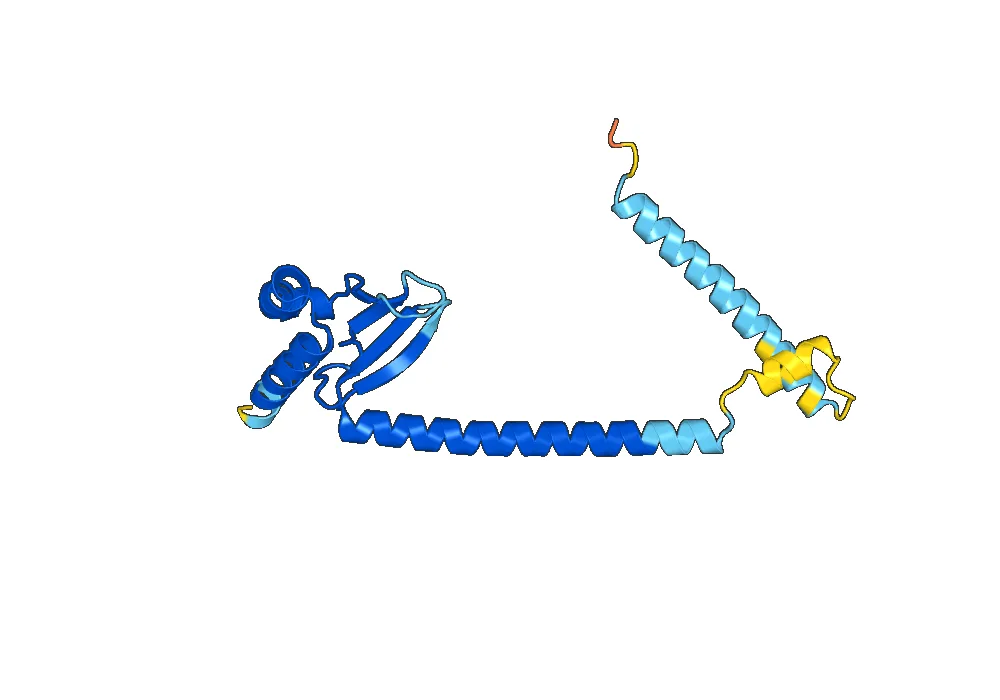
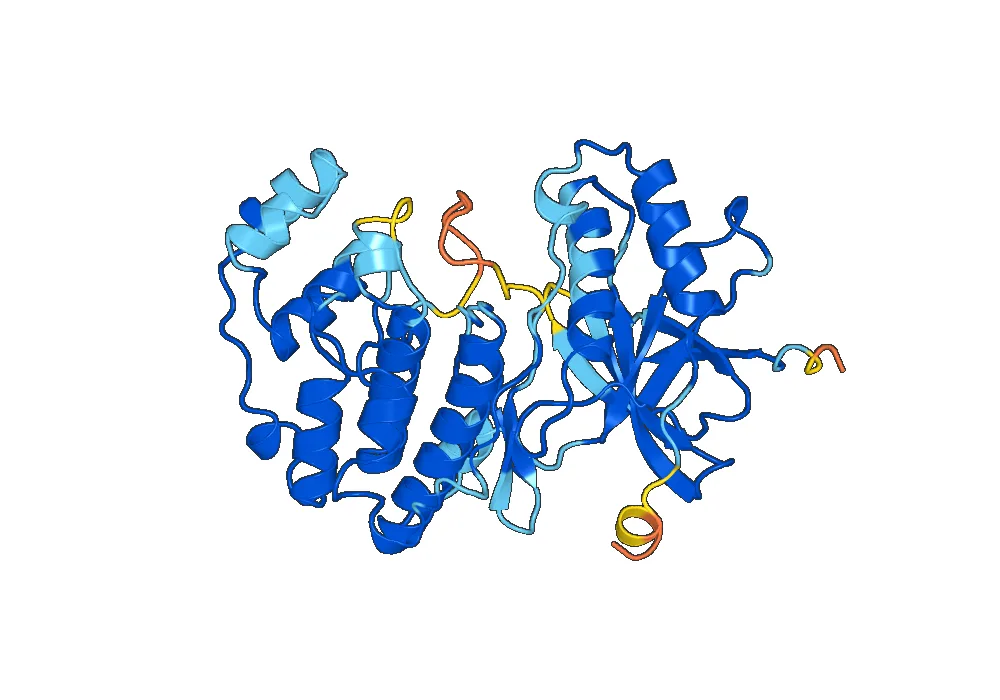
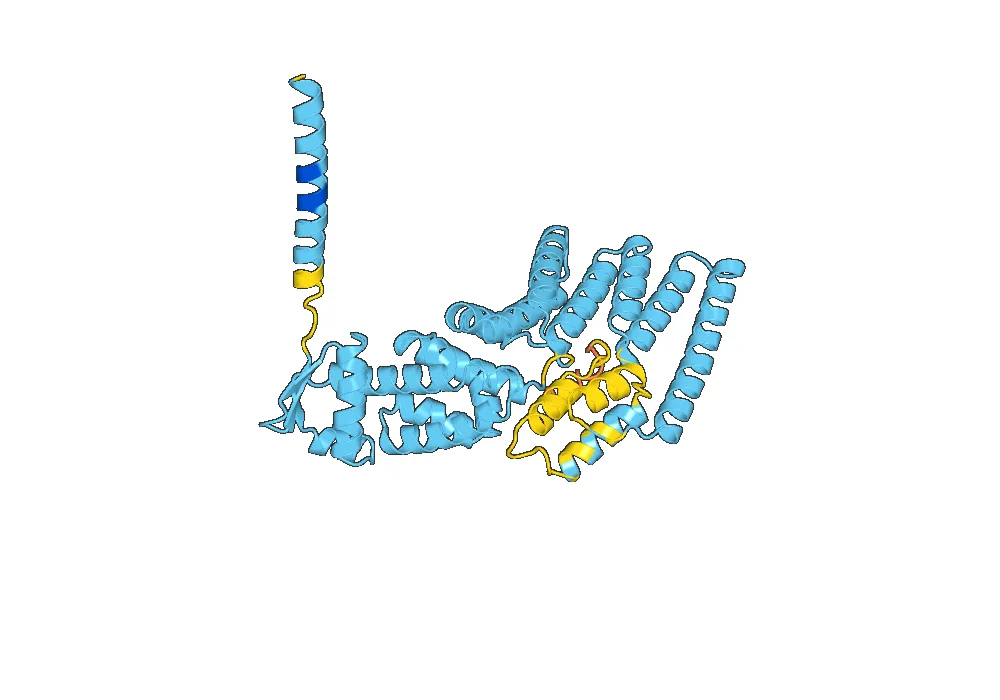
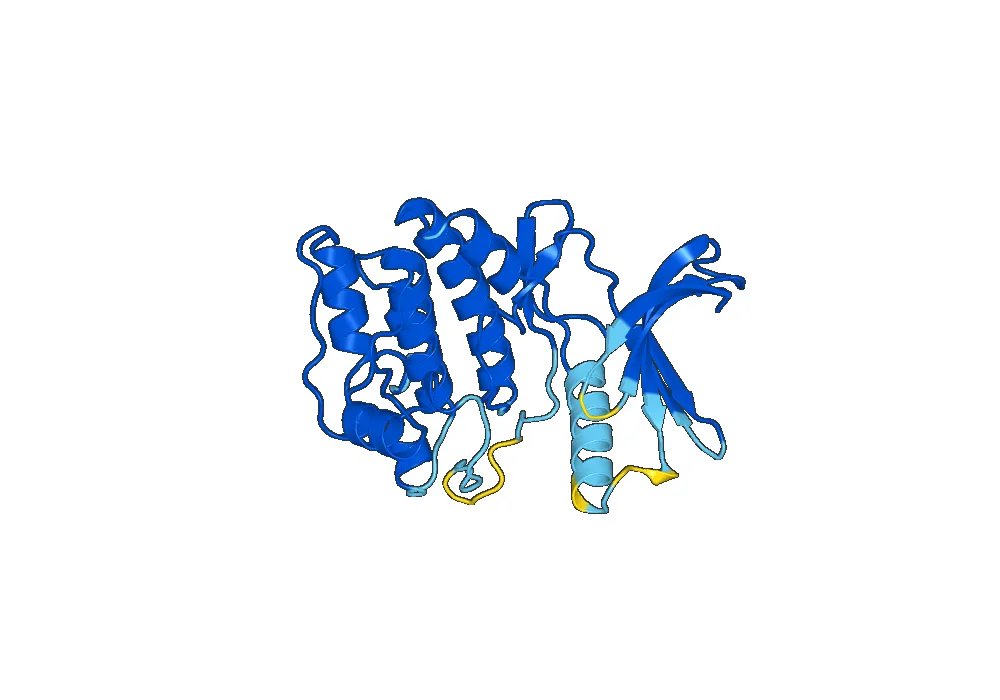
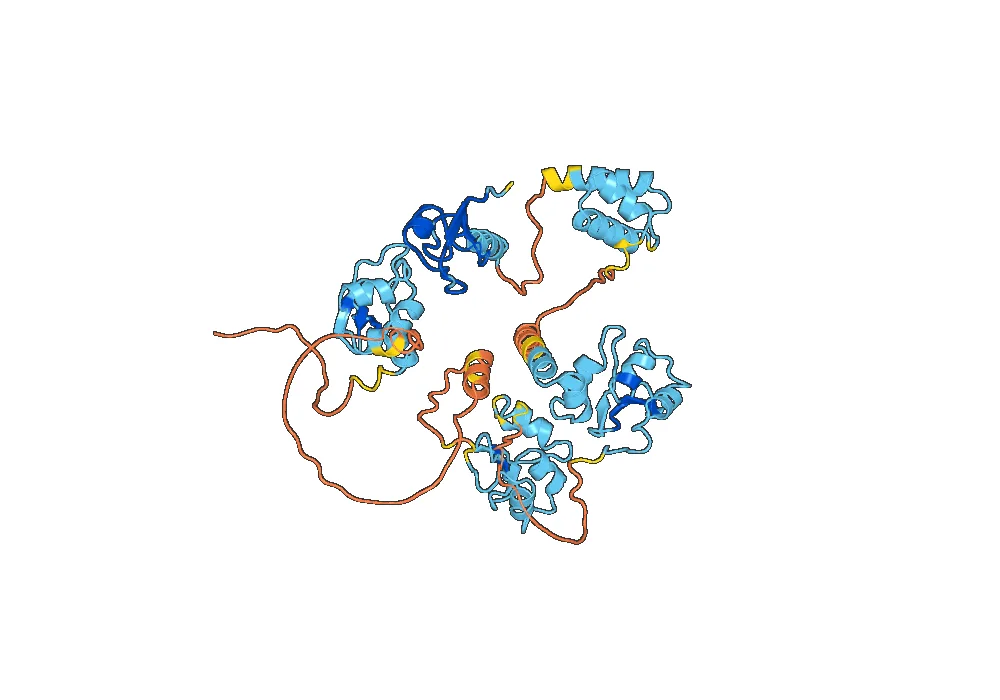
The Recombinant Human MAD1L1 Protein is a 718 amino acid long protein with a molecular weight of 80 kDa. It is composed of three main domains – the N-terminal domain, the central domain, and the C-terminal domain. The N-terminal domain is responsible for binding to other proteins, while the central domain contains the conserved MAD1 domain, which is essential for the protein’s function. The C-terminal domain is involved in the regulation of the protein’s activity and its interaction with other proteins.
Activity of Recombinant Human MAD1L1 Protein
The primary function of Recombinant Human MAD1L1 Protein is to act as a mitotic checkpoint protein. It is involved in the spindle assembly checkpoint, which ensures proper chromosome alignment and segregation during cell division. This protein forms a complex with other checkpoint proteins, such as MAD2 and BUBR1, and is essential for the proper functioning of the checkpoint mechanism. It also plays a role in the DNA damage response and is involved in the repair of damaged DNA.
Additionally, Recombinant Human MAD1L1 Protein has been found to be overexpressed in various types of cancer, including breast, lung, and colon cancer. Its overexpression has been linked to chromosomal instability and tumorigenesis, making it a potential target for cancer therapy.
Applications of Recombinant Human MAD1L1 Protein
The Recombinant Human MAD1L1 Protein has various applications in the fields of research and medicine. It is widely used as an antigen in studies related to the cell cycle and mitotic checkpoint control. Its recombinant form is also used in biochemical and structural studies to understand the protein’s function and interactions with other proteins.
In cancer research, Recombinant Human MAD1L1 Protein has been used to study its role in tumorigenesis and as a potential target for cancer therapy. Its overexpression in cancer cells makes it a promising biomarker for early detection and diagnosis of certain types of cancer.
Furthermore, Recombinant Human MAD1L1 Protein has been used in the development of novel drugs targeting the mitotic checkpoint. Inhibitors of this protein have shown promising results in preclinical studies and are being explored as potential treatments for cancer and other diseases associated with cell cycle dysregulation.
Conclusion
In conclusion, Recombinant Human MAD1L1 Protein is a crucial protein involved in the regulation of the cell cycle and maintenance of genomic stability. Its structure and activity have been extensively studied, and it has various potential applications in the fields of research and medicine. Further research on this protein may lead to a better understanding of its role in disease and the development of effective treatments targeting the mitotic checkpoint.

There are no reviews yet.