Recombinant Human Monoamine Oxidase B (MAOB/AOFB): Structure, Activity, and Applications
Introduction
Monoamine oxidase B (MAOB/AOFB) is a key enzyme involved in the metabolism of neurotransmitters such as dopamine, serotonin, and norepinephrine. It plays a crucial role in maintaining the balance of these neurotransmitters in the brain, and any dysfunction in its activity can lead to various neurological disorders. Recombinant human MAOB protein has been extensively studied and has shown promising potential in the treatment of these disorders. In this article, we will discuss the structure, activity, and applications of recombinant human MAOB protein.
Structure of Recombinant Human MAOB Protein
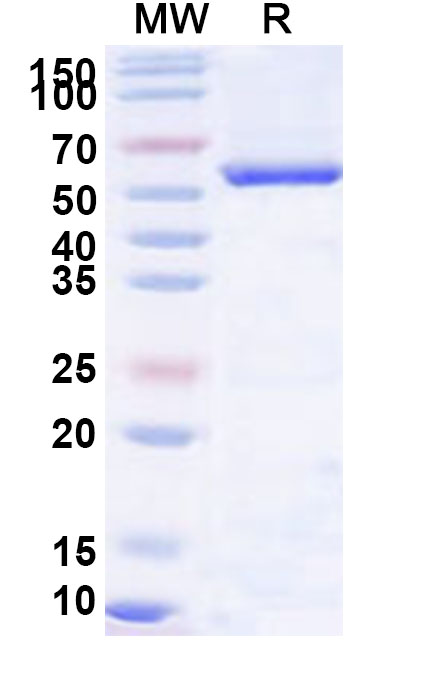
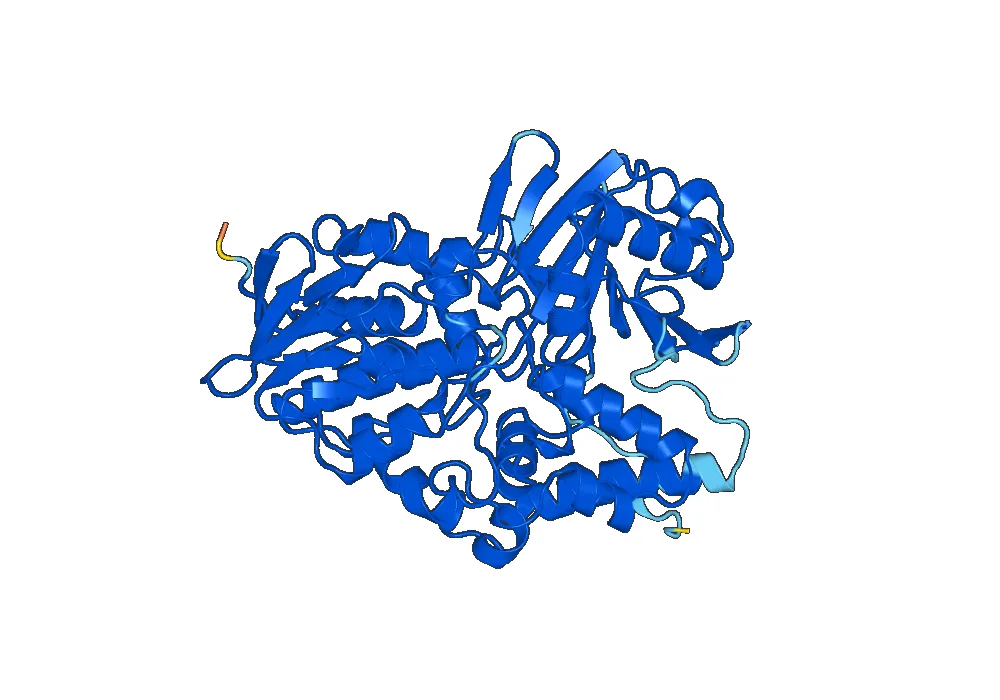
Recombinant human MAOB protein is a homodimeric enzyme with a molecular weight of approximately 60 kDa. Each monomer consists of a single polypeptide chain of 520 amino acids. The protein contains a flavin adenine dinucleotide (FAD) cofactor, which is essential for its enzymatic activity. The FAD binding site is located in the C-terminal domain of the protein, while the N-terminal domain is responsible for substrate binding and catalysis.
Crystal Structure of Recombinant Human MAOB Protein
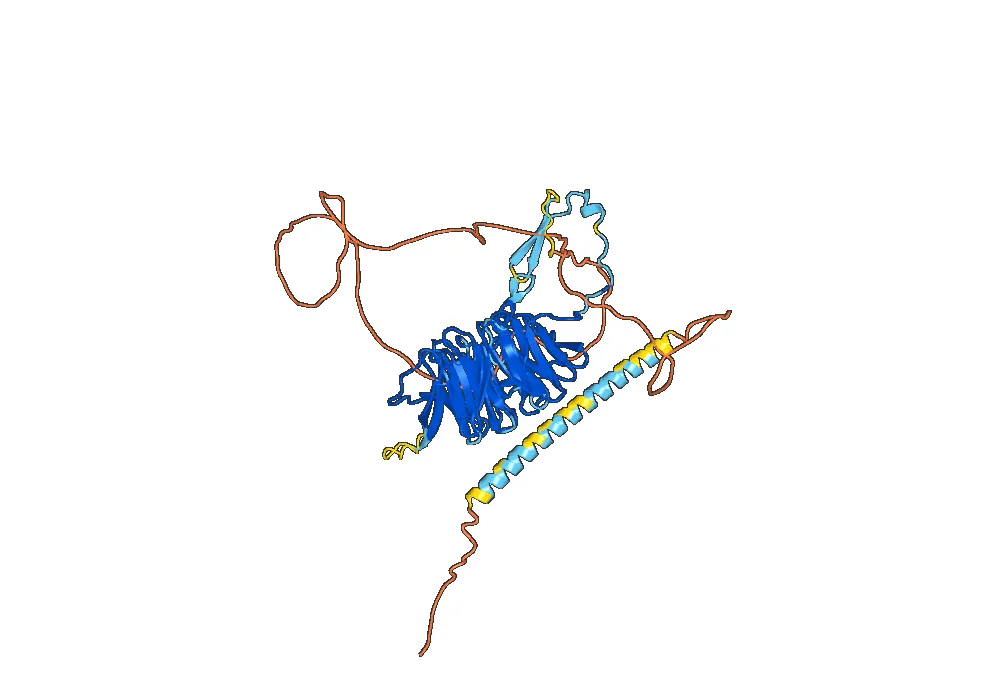
The crystal structure of recombinant human MAOB protein was first determined in 1994 by Edmondson et al. using X-ray crystallography. The structure revealed a compact, globular protein with a central beta-sheet surrounded by alpha-helices. The active site, where the FAD cofactor is located, is buried deep within the protein structure, making it inaccessible to solvent molecules.
Comparison with Native Human MAOB Protein
The structure of recombinant human MAOB protein is highly similar to that of the native human MAOB protein, with an overall sequence identity of 97%. However, some differences have been observed in the active site region, which may affect the binding of certain substrates and inhibitors.
Enzymatic Activity of Recombinant Human MAOB Protein
The main function of MAOB protein is to catalyze the oxidative deamination of monoamine neurotransmitters. This reaction involves the removal of an amine group from the neurotransmitter, resulting in the formation of an aldehyde and ammonia. The aldehyde is then further metabolized by other enzymes in the brain.
Recombinant human MAOB protein has shown high specificity towards its substrates, with a preference for dopamine and phenylethylamine as compared to other monoamines. It has also been found to have a higher affinity for substrates with a longer side chain, such as benzylamine and tyramine.
Inhibition of MAOB Activity
The activity of MAOB protein can be inhibited by various compounds, including selective and non-selective MAOB inhibitors. These inhibitors bind to the active site of the enzyme and prevent the binding of substrates, thus reducing its activity. Recombinant human MAOB protein has been used in the development of new MAOB inhibitors for the treatment of neurological disorders.
Applications of Recombinant Human MAOB Protein
Recombinant human MAOB protein has been extensively studied for its potential therapeutic applications, particularly in the treatment of Parkinson’s disease and depression. Its role in the metabolism of dopamine, a neurotransmitter that is depleted in Parkinson’s disease, makes it a promising target for drug development.
Parkinson’s Disease
Parkinson’s disease is characterized by the loss of dopaminergic neurons in the brain, leading to a decrease in dopamine levels. Recombinant human MAOB protein has been shown to improve the symptoms of Parkinson’s disease by inhibiting the breakdown of dopamine, thus increasing its levels in the brain.
Depression
Depression is a common psychiatric disorder that is often associated with a decrease in serotonin levels. Recombinant human MAOB protein has been found to increase

There are no reviews yet.