Introduction
The field of biotechnology has revolutionized the way we understand and manipulate biological systems. One of the key tools in this field is recombinant proteins, which are artificially produced proteins that have numerous applications in medicine, research, and industry. Among these, Recombinant Human NPRL2 Protein stands out as a versatile and powerful tool due to its unique structure, activity, and wide range of applications.
Structure of Recombinant Human NPRL2 Protein
Recombinant Human NPRL2 Protein is a member of the Npr2 family of proteins, which play a crucial role in regulating cell growth and proliferation. It is composed of 279 amino acids and has a molecular weight of approximately 31 kDa. The protein is highly conserved across different species, with a sequence similarity of 98% between human and mouse NPRL2.
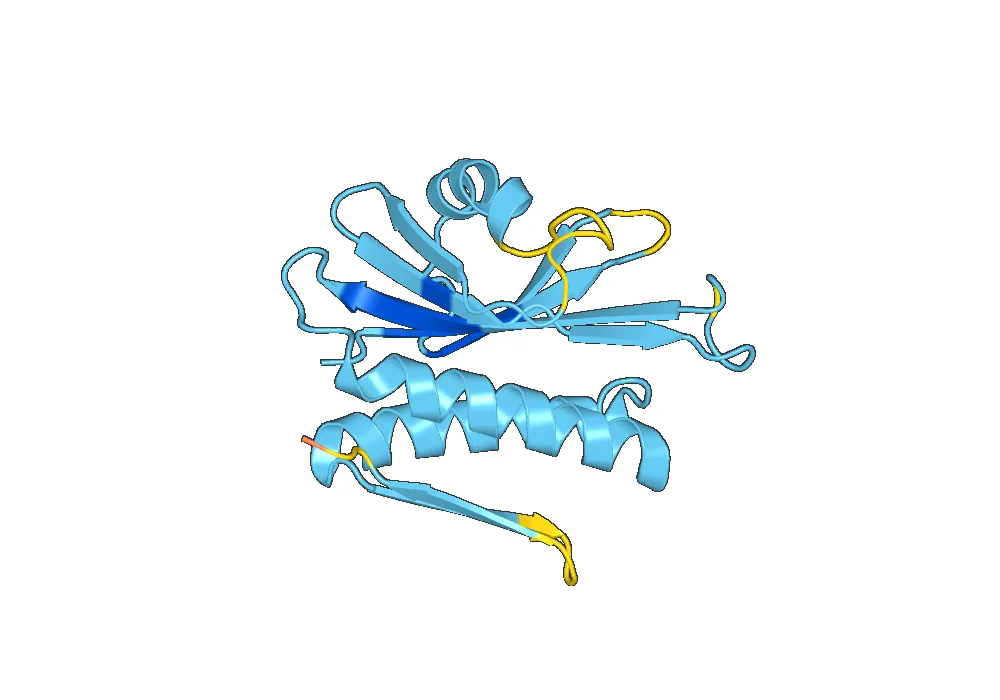
The crystal structure of Recombinant Human NPRL2 Protein has been determined, revealing its unique three-dimensional folding pattern. It consists of two domains, an N-terminal domain and a C-terminal domain, connected by a flexible linker region. The N-terminal domain contains a conserved Npr2 domain, while the C-terminal domain contains a Ras-like GTPase domain. These domains play a crucial role in the protein’s activity and function.
Activity of Recombinant Human NPRL2 Protein
The main function of Recombinant Human NPRL2 Protein is to regulate the activity of the mechanistic target of rapamycin complex 1 (mTORC1), a key regulator of cell growth and metabolism. It does so by forming a complex with another protein, NPRL3, and inhibiting the activity of mTORC1. This function is crucial in maintaining cellular homeostasis and preventing uncontrolled cell growth, which is a hallmark of cancer.
In addition to its role in regulating mTORC1, Recombinant Human NPRL2 Protein has been found to have other important activities. It has been shown to interact with other proteins involved in cell signaling and DNA damage repair, suggesting a potential role in these processes. It has also been implicated in autophagy, a cellular process that helps maintain cellular health by degrading damaged or unnecessary components.
Applications of Recombinant Human NPRL2 Protein
The unique structure and activity of Recombinant Human NPRL2 Protein make it a valuable tool in various areas of biotechnology. One of its primary applications is in cancer research, where it is used to study the role of mTORC1 in cancer development and progression. It has also been investigated as a potential therapeutic target for cancer treatment, with promising results in preclinical studies.
Recombinant Human NPRL2 Protein is also used in drug discovery, as it can be used to screen for potential inhibitors of mTORC1. This is crucial in developing new treatments for diseases that involve dysregulation of mTORC1, such as cancer, metabolic disorders, and neurodegenerative diseases.
In addition, Recombinant Human NPRL2 Protein has applications in biotechnology and industry. It is used in the production of recombinant proteins, as it can improve protein expression and stability. It is also used as an antigen in antibody production, making it a valuable tool in the development of diagnostic tests and therapeutics.
Conclusion
In summary, Recombinant Human NPRL2 Protein is a versatile and powerful tool in biotechnology due to its unique structure, activity, and wide range of applications. Its ability to regulate mTORC1 and its involvement in various cellular processes make it a valuable tool in understanding and treating diseases. With ongoing research and advancements in technology, the potential of Recombinant Human NPRL2 Protein in biotechnology is boundless.
</


There are no reviews yet.