Introduction
Recombinant Human NRAS Protein, also known as Neuroblastoma RAS Viral Oncogene Homolog, is a protein that plays a crucial role in cell signaling and growth regulation. It is a member of the RAS family of proteins, which are involved in various cellular processes such as cell proliferation, differentiation, and survival. The human NRAS gene is located on chromosome 1 and encodes for a protein of 189 amino acids. Recombinant Human NRAS Protein is produced through genetic engineering techniques and has a wide range of applications in biomedical research and drug development.
Structure of Recombinant Human NRAS Protein
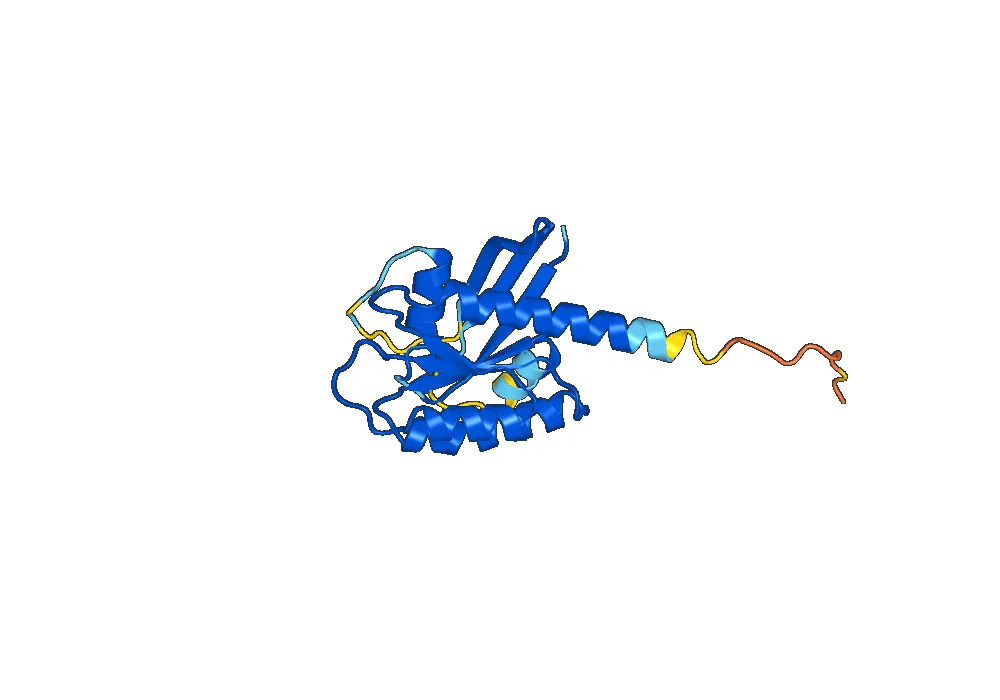
The structure of Recombinant Human NRAS Protein is similar to other members of the RAS family, consisting of a globular domain with five conserved regions (CR1-CR5) and a C-terminal hypervariable region (HVR). The globular domain is responsible for binding to guanine nucleotides and effector proteins, while the HVR is involved in membrane association and protein-protein interactions.
The active form of Recombinant Human NRAS Protein is a membrane-bound protein, with a lipid anchor attached to the C-terminus. This allows for localization to the plasma membrane, where it can interact with other proteins and initiate downstream signaling pathways.
Activity of Recombinant Human NRAS Protein
Recombinant Human NRAS Protein is a GTPase, meaning it can hydrolyze GTP to GDP, resulting in a conformational change and activation of downstream signaling pathways. When activated, NRAS binds to and activates various effector proteins, including RAF, PI3K, and RALGDS. These effector proteins then initiate signaling cascades that ultimately lead to cell growth and proliferation.
The activity of Recombinant Human NRAS Protein is tightly regulated by the balance between its GTP-bound active form and its GDP-bound inactive form. Mutations in the NRAS gene can lead to constitutive activation of the protein, resulting in uncontrolled cell growth and the development of various cancers, including melanoma, leukemia, and neuroblastoma.
Application of Recombinant Human NRAS Protein
Recombinant Human NRAS Protein has a wide range of applications in biomedical research, particularly in the study of cancer and drug development. Its role in cell signaling and growth regulation makes it a valuable tool for understanding the mechanisms of cancer development and identifying potential therapeutic targets.
One application of Recombinant Human NRAS Protein is in the development of targeted cancer therapies. Mutations in the NRAS gene have been identified in various cancers, making it a potential target for drug development. By studying the structure and activity of Recombinant Human NRAS Protein, researchers can design drugs that specifically target the mutated protein and inhibit its activity, leading to the suppression of cancer growth.
In addition, Recombinant Human NRAS Protein can be used as an antigen in vaccine development. The protein is highly immunogenic, meaning it can elicit an immune response in the body. By using Recombinant Human NRAS Protein as an antigen, researchers can develop vaccines that target NRAS-mutated cancers and stimulate the immune system to attack and destroy cancer cells.
Conclusion
In summary, Recombinant Human NRAS Protein is a crucial protein involved in cell signaling and growth regulation. Its structure and activity make it a valuable tool in biomedical research, particularly in the study of cancer and drug development. The wide range of applications of Recombinant Human NRAS Protein highlights its importance in understanding and potentially treating various diseases, making it a key protein in the field of biotechnology.


There are no reviews yet.