Introduction
Recombinant proteins are proteins that are produced through genetic engineering techniques, allowing for the production of large quantities of specific proteins for research and therapeutic purposes. One such protein is Recombinant Human NSUN5 Protein, which has been extensively studied for its structure, activity, and potential applications.
Structure of Recombinant Human NSUN5 Protein
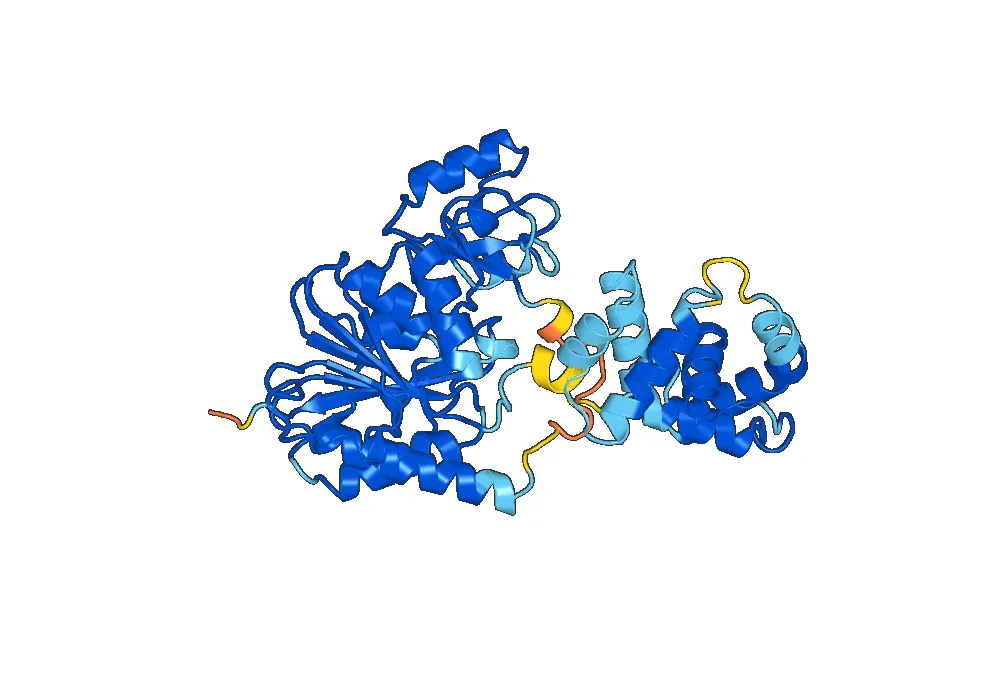
Recombinant Human NSUN5 Protein is a 41 kDa protein composed of 368 amino acids. It belongs to the NSUN family of proteins, which are characterized by their conserved S-adenosylmethionine (SAM)-dependent methyltransferase domain. This domain is responsible for the enzymatic activity of NSUN5, which involves the transfer of a methyl group from SAM to a target molecule.
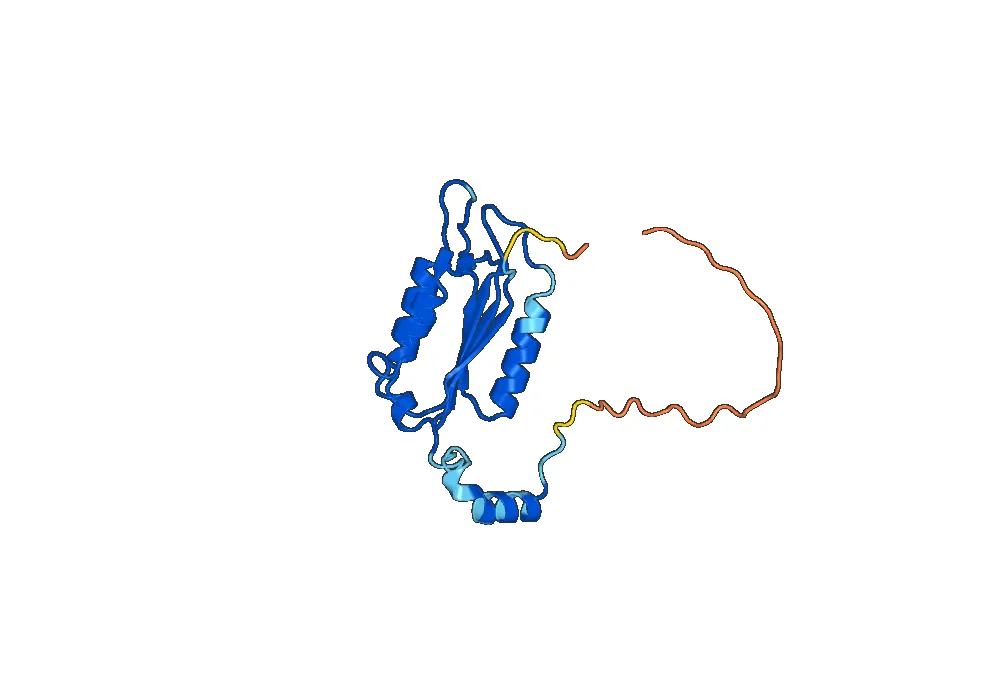
The crystal structure of Recombinant Human NSUN5 Protein has been determined, revealing a unique fold with a central β-sheet surrounded by α-helices. This structure is important for the protein’s stability and function.
Activity of Recombinant Human NSUN5 Protein
The main activity of Recombinant Human NSUN5 Protein is its methyltransferase function. It specifically targets the 5-carbon of cytosine (C5) in RNA molecules and catalyzes the transfer of a methyl group, resulting in the formation of 5-methylcytosine (m5C). This modification plays a crucial role in regulating various cellular processes, including mRNA stability, translation, and splicing.
Studies have also shown that Recombinant Human NSUN5 Protein has a preference for particular RNA sequences, with a strong affinity for the sequence 5′-CAG-3′. This specificity allows for the precise targeting of specific RNA molecules for methylation.
Application of Recombinant Human NSUN5 Protein
Recombinant Human NSUN5 Protein has been studied for its potential applications in various fields, including cancer research, epigenetics, and neurodegenerative diseases.
One of the most promising applications of Recombinant Human NSUN5 Protein is in cancer research. Aberrant methylation patterns have been observed in many cancers, and NSUN5 has been found to play a role in these processes. Studies have shown that NSUN5 can act as a tumor suppressor by regulating the expression of certain genes involved in cancer progression. Additionally, NSUN5 has been identified as a potential biomarker for certain cancers, making it a valuable tool for diagnosis and prognosis.
In the field of epigenetics, Recombinant Human NSUN5 Protein has been found to play a role in the regulation of gene expression through RNA methylation. This has implications for understanding various diseases and potentially developing new therapies targeting epigenetic modifications.
Furthermore, Recombinant Human NSUN5 Protein has been linked to neurodegenerative diseases such as Alzheimer’s and Parkinson’s. Studies have shown that NSUN5 plays a role in the regulation of RNA metabolism in neurons, and dysregulation of this process has been linked to these diseases. This highlights the potential for NSUN5 as a therapeutic target for these devastating conditions.
Conclusion
In summary, Recombinant Human NSUN5 Protein is a 41 kDa protein with a unique structure and important enzymatic activity. Its ability to methylate specific RNA sequences has implications for various cellular processes and has been studied for its potential applications in cancer research, epigenetics, and neurodegenerative diseases. Further research on this protein may uncover even more potential uses and shed light on its role in various diseases.


There are no reviews yet.