Introduction
Recombinant Human PADI4 Protein, also known as peptidylarginine deiminase 4, is a key enzyme involved in the post-translational modification of proteins. It plays a critical role in the regulation of gene expression and has been implicated in various diseases, making it an important target for research and therapeutic development.
Structure
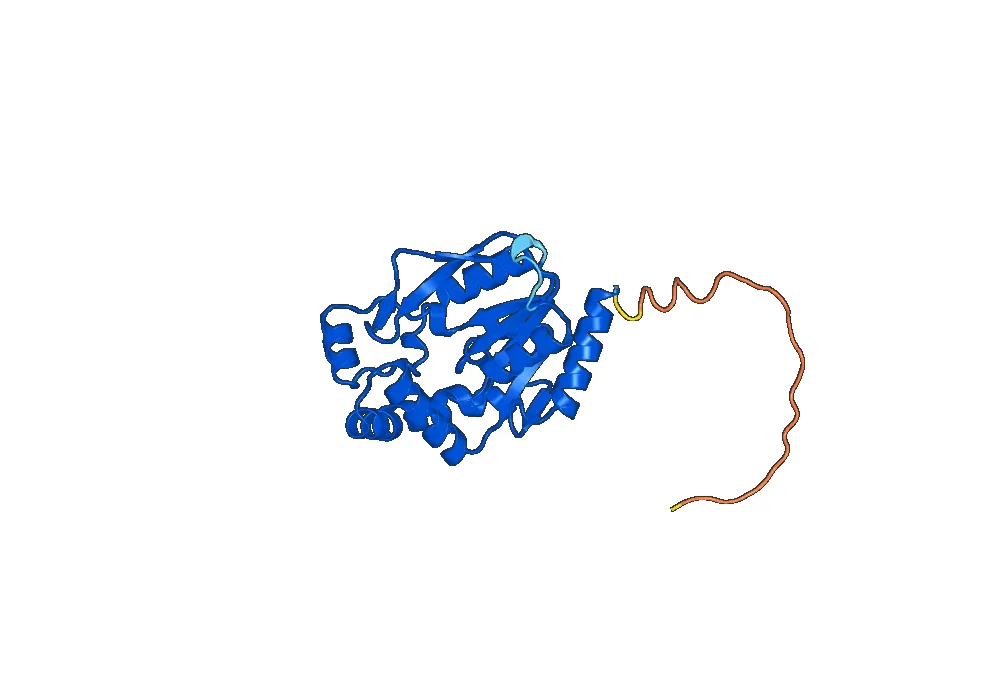
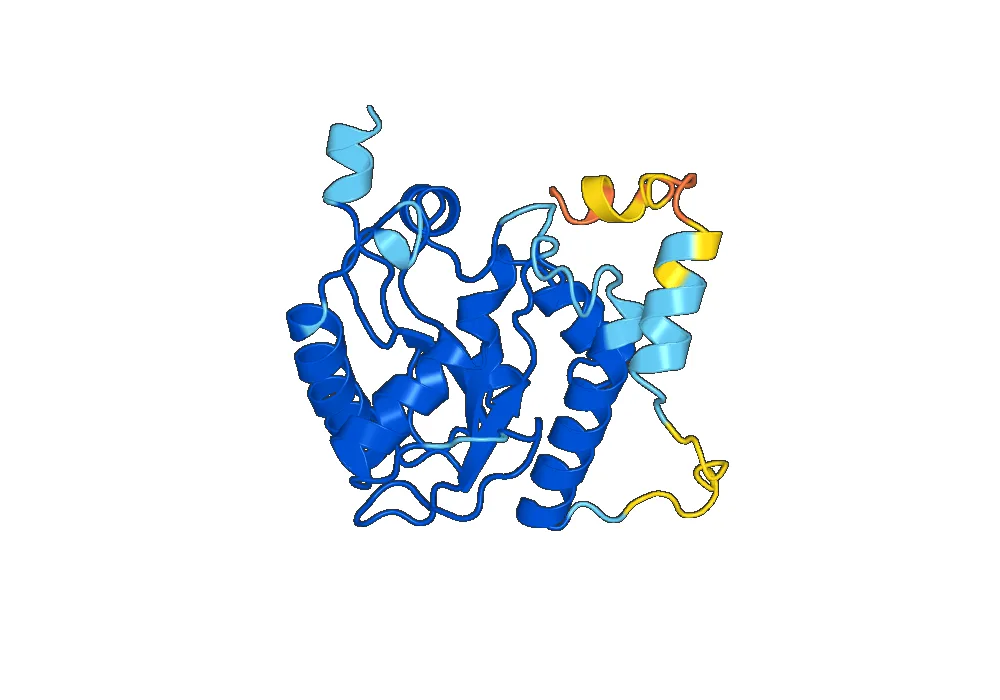
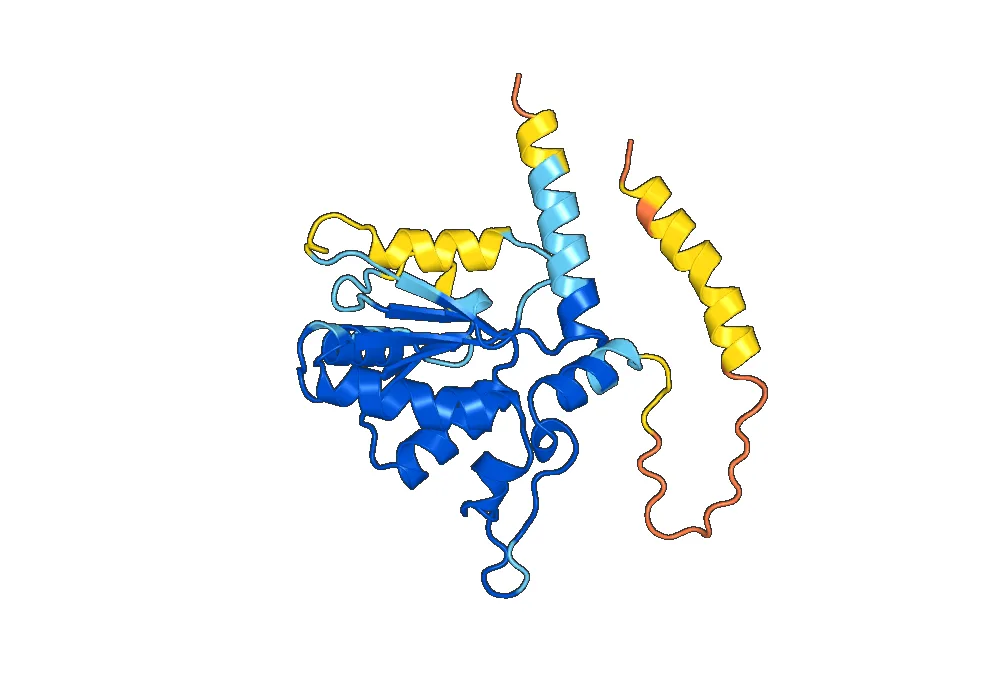
Recombinant Human PADI4 Protein is a 663 amino acid protein with a molecular weight of approximately 74 kDa. It consists of a N-terminal catalytic domain and a C-terminal regulatory domain. The catalytic domain is responsible for the enzymatic activity of PADI4, while the regulatory domain helps to regulate its activity and specificity.
Activity
As a peptidylarginine deiminase, Recombinant Human PADI4 Protein catalyzes the conversion of arginine residues in proteins to citrulline. This post-translational modification, known as citrullination, plays a crucial role in various cellular processes such as gene regulation, cell signaling, and protein-protein interactions.
PADI4 is highly expressed in immune cells, specifically in neutrophils and monocytes, and is involved in the regulation of immune responses. It has been shown to play a role in the development of autoimmune diseases, such as rheumatoid arthritis and systemic lupus erythematosus, by citrullinating self-proteins and triggering an immune response.
In addition to its role in immune regulation, PADI4 has also been linked to cancer progression. It has been shown to be overexpressed in various types of cancer, including breast, lung, and colon cancer, and has been implicated in promoting tumor growth and metastasis.
Application
Recombinant Human PADI4 Protein has a wide range of applications in both research and therapeutics. Its enzymatic activity makes it a valuable tool for studying protein citrullination and its role in various diseases. It can be used to investigate the effects of PADI4 inhibition or overexpression on cellular processes and signaling pathways.
Moreover, PADI4 has been identified as a potential therapeutic target for diseases such as rheumatoid arthritis and cancer. Inhibition of PADI4 activity has been shown to reduce inflammation and disease severity in animal models of rheumatoid arthritis. In cancer, targeting PADI4 could potentially inhibit tumor growth and metastasis, making it a promising target for anti-cancer therapies.
Recombinant Human PADI4 Protein can also be used in diagnostic assays for autoimmune diseases. Detection of autoantibodies against citrullinated proteins, known as anti-citrullinated protein antibodies (ACPAs), is a hallmark of rheumatoid arthritis and can aid in early diagnosis and monitoring of disease progression. PADI4 can be used to generate citrullinated proteins for use in ACPA detection assays.
Conclusion
Recombinant Human PADI4 Protein is a crucial enzyme involved in protein citrullination and plays a significant role in various diseases. Its structure, activity, and applications make it a valuable tool in research and a potential target for therapeutic interventions. Further studies on PADI4 and its functions could lead to a better understanding of its role in disease and the development of novel treatments.

There are no reviews yet.