Introduction
Recombinant proteins are proteins that are produced through genetic engineering techniques, allowing for the production of large quantities of specific proteins for various applications. One such recombinant protein is Recombinant Human PAF1 Protein, which has gained significant attention in the scientific community for its unique structure, activity, and potential applications.
Structure of Recombinant Human PAF1 Protein
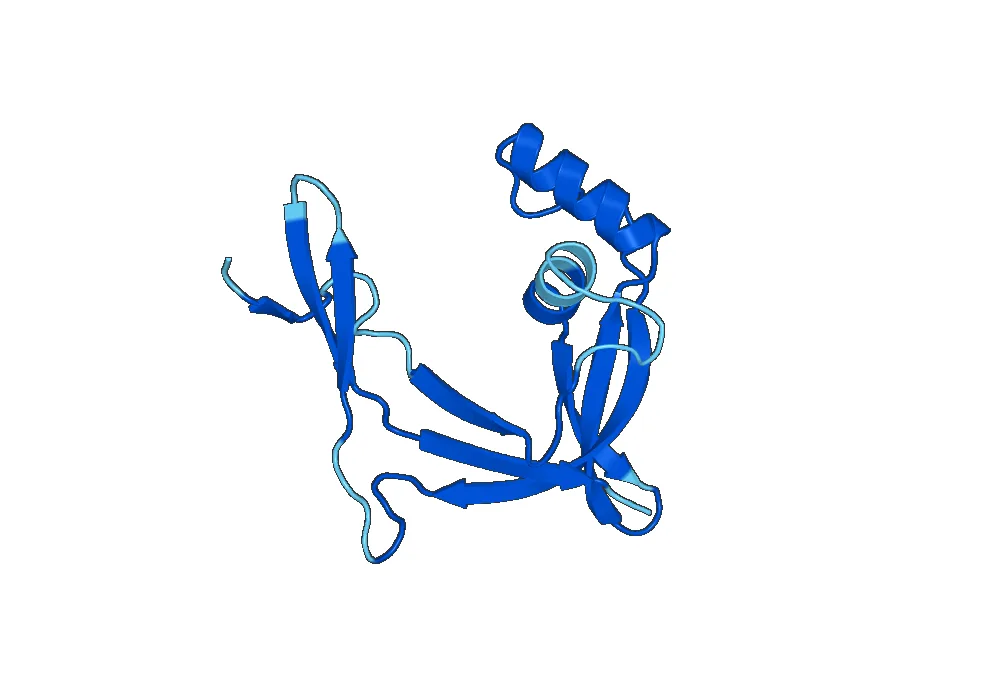
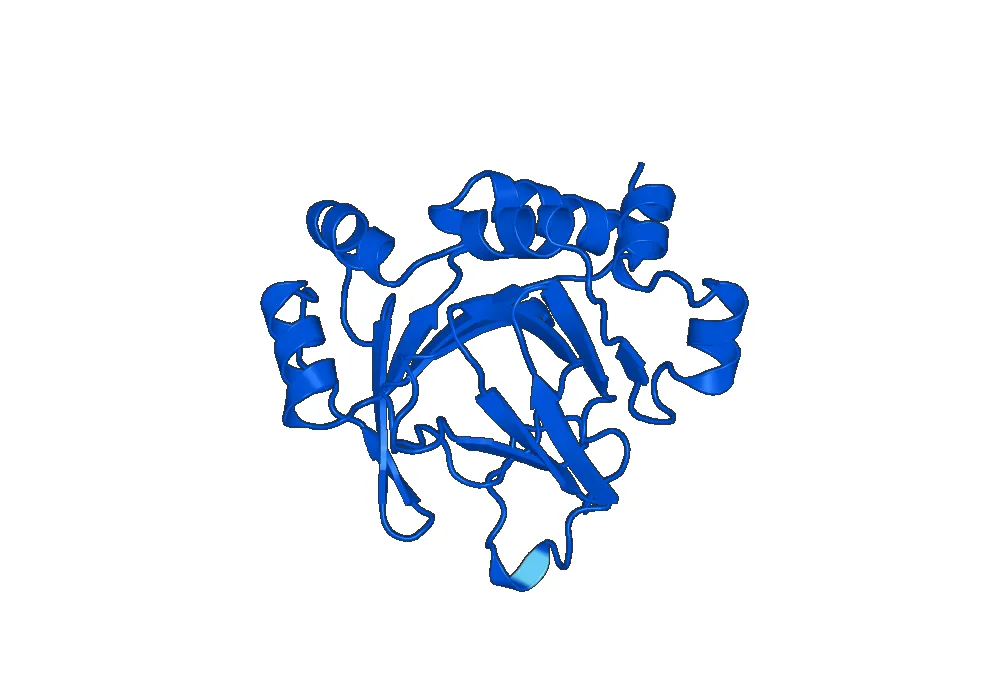
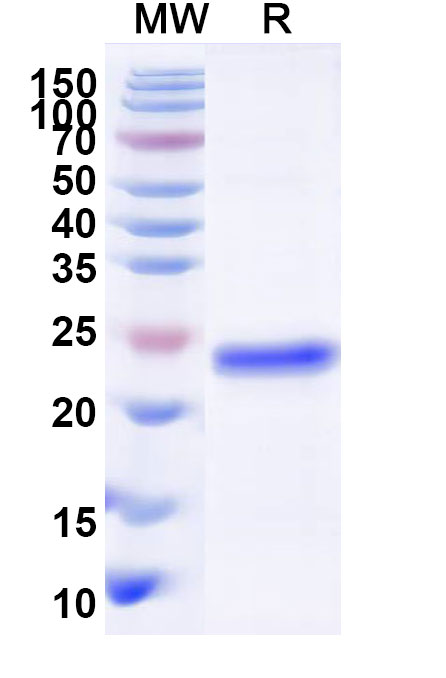
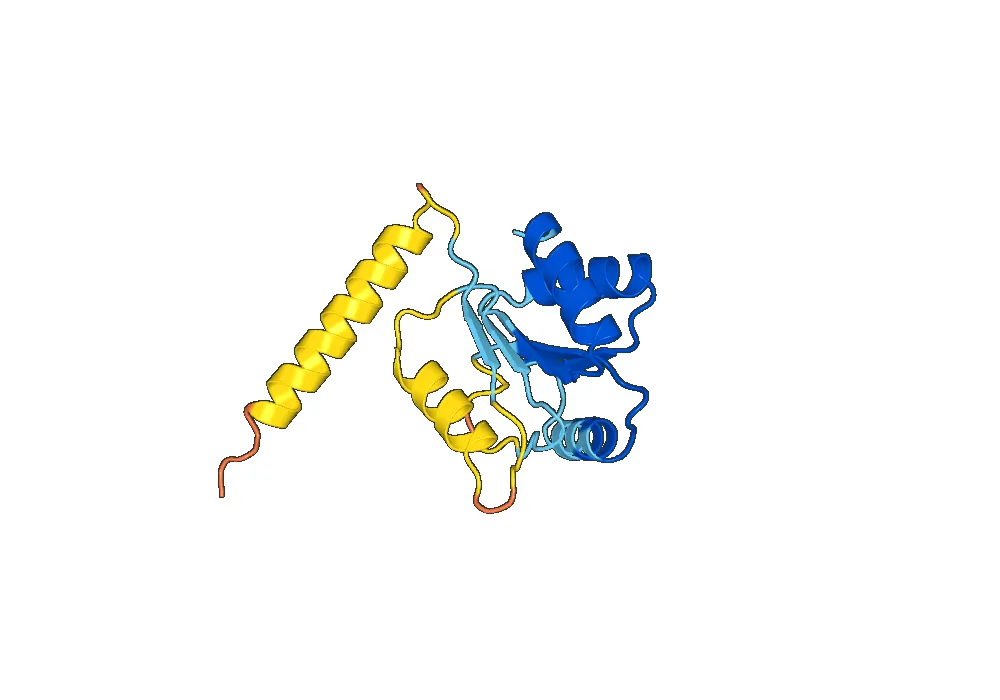
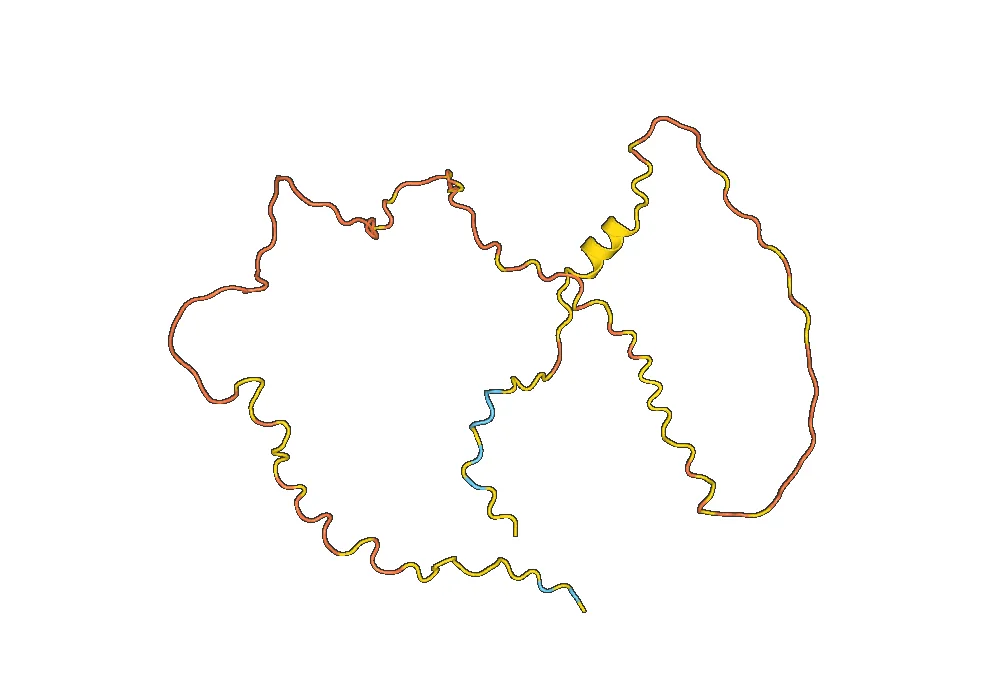
Recombinant Human PAF1 Protein is a 91 kDa protein composed of 771 amino acids. It is a subunit of the RNA polymerase II associated factor 1 complex (PAF1C), which is involved in transcriptional regulation and elongation. The protein has a conserved domain structure, with an N-terminal domain, a central domain, and a C-terminal domain.
N-terminal domain
The N-terminal domain of Recombinant Human PAF1 Protein is responsible for its interaction with other subunits of the PAF1C complex, including CDC73, CTR9, and LEO1. This domain also plays a crucial role in the recruitment of the PAF1C complex to chromatin, where it regulates gene expression.
Central domain
The central domain of Recombinant Human PAF1 Protein contains a highly conserved region known as the PAF1 homology domain. This domain is essential for the interaction of PAF1C with RNA polymerase II, as well as for its role in transcriptional elongation and histone modifications.
C-terminal domain
The C-terminal domain of Recombinant Human PAF1 Protein is involved in the interaction with other transcriptional regulators, such as the Mediator complex. It also plays a role in the recruitment of PAF1C to actively transcribing genes and in the regulation of RNA processing and maturation.
Activity of Recombinant Human PAF1 Protein
Recombinant Human PAF1 Protein is a multifunctional protein with diverse activities in transcriptional regulation and elongation. It is involved in the recruitment and stabilization of the PAF1C complex to chromatin, where it interacts with various transcriptional regulators and histone-modifying enzymes to facilitate gene expression.
Transcriptional regulation
Recombinant Human PAF1 Protein plays a crucial role in transcriptional regulation by facilitating the recruitment and activation of RNA polymerase II at the promoter region of actively transcribed genes. It also interacts with other transcriptional regulators, such as the Mediator complex, to regulate gene expression.
Transcriptional elongation
One of the key functions of Recombinant Human PAF1 Protein is its role in transcriptional elongation. It interacts with RNA polymerase II and other elongation factors to promote efficient transcriptional elongation and processivity.
Histone modifications
Recombinant Human PAF1 Protein also plays a crucial role in histone modifications, which are essential for the regulation of gene expression. It interacts with various histone-modifying enzymes, such as histone methyltransferases and acetyltransferases, to regulate chromatin structure and gene expression.
Applications of Recombinant Human PAF1 Protein
The unique structure and multifunctional activity of Recombinant Human PAF1 Protein make it a valuable tool for various applications in the fields of molecular biology, biochemistry, and medicine.
Gene expression studies

There are no reviews yet.