Recombinant Human RAB6A Protein is a highly versatile and important protein used in various biological and biochemical studies. It is a member of the RAB family of small GTPases, which play crucial roles in regulating intracellular vesicle trafficking and membrane fusion. RAB6A is specifically involved in the transport of cargo from the Golgi apparatus to the endoplasmic reticulum, making it an essential protein for maintaining proper cellular function.
Structure of Recombinant Human RAB6A Protein
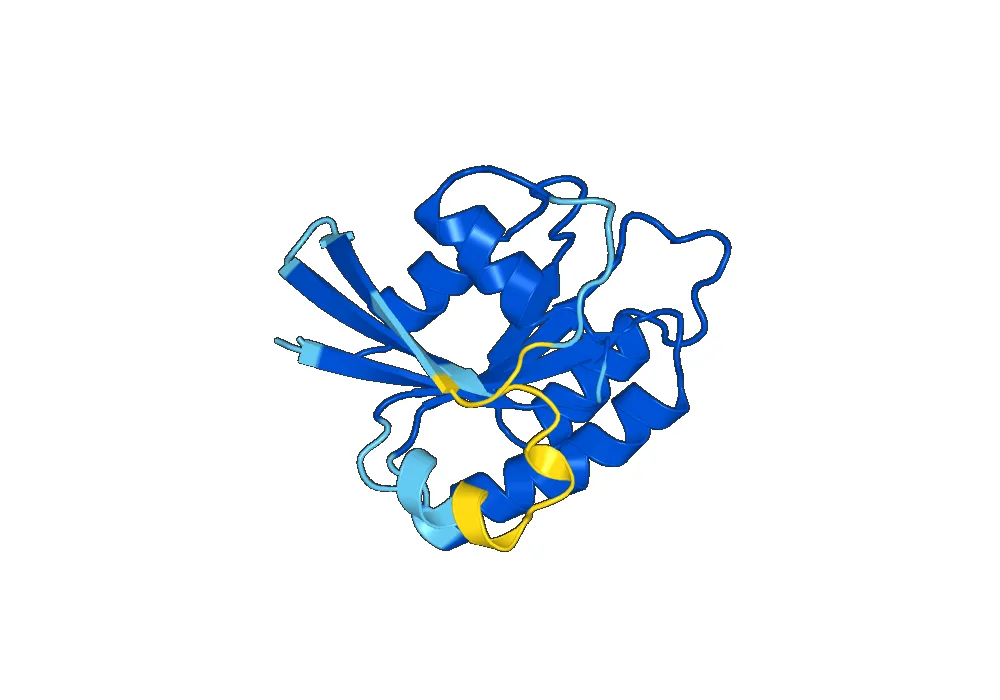
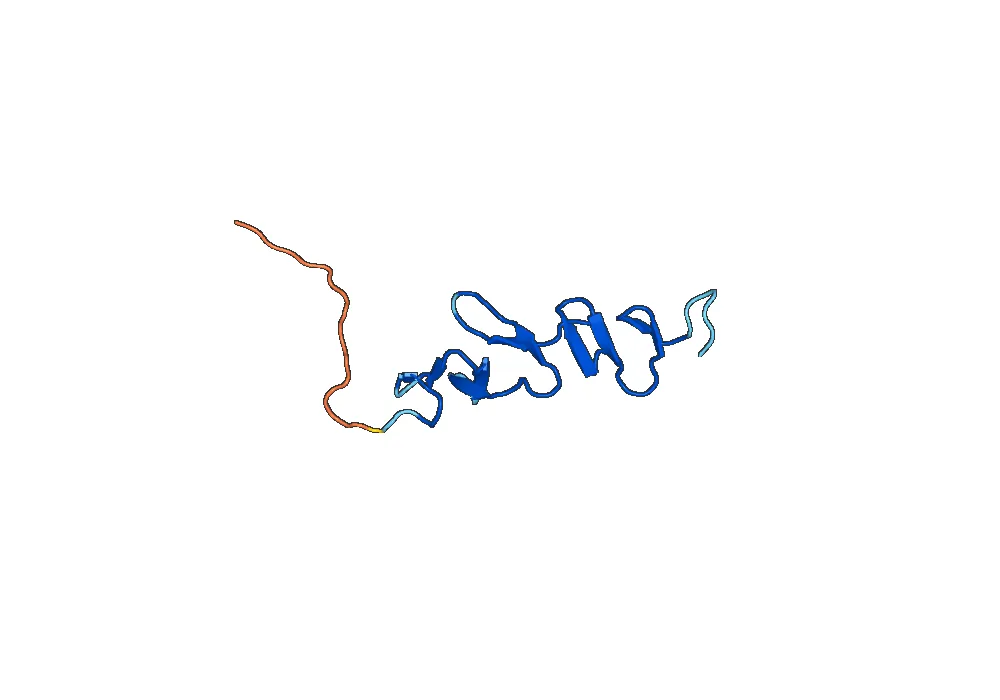
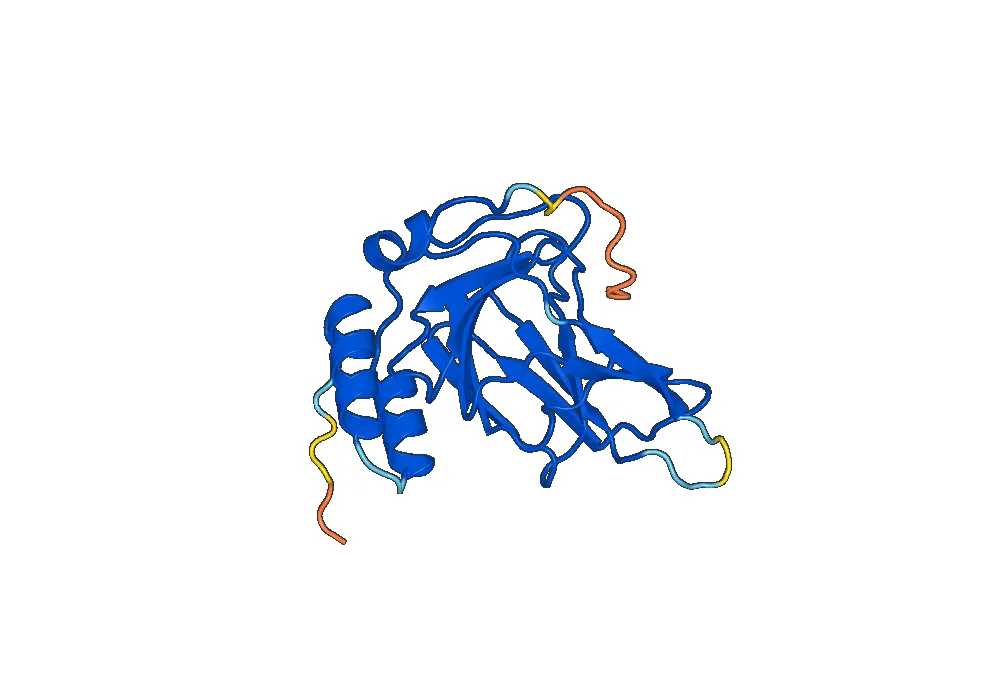
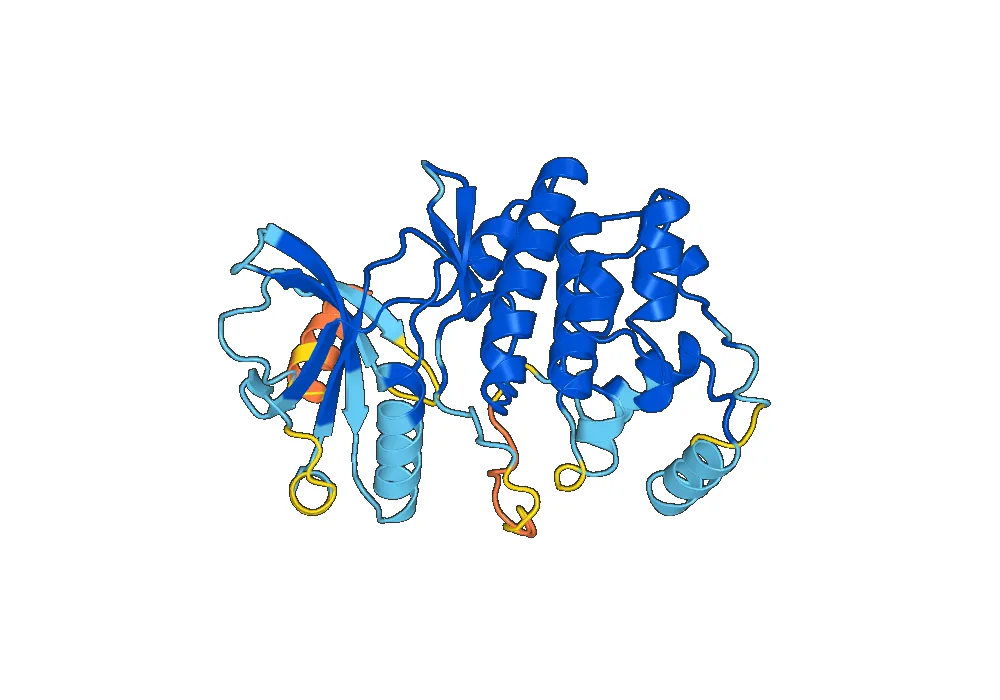
Recombinant Human RAB6A Protein is a 23 kDa protein consisting of 207 amino acids. It contains a highly conserved GTP-binding domain and a C-terminal hypervariable region, which is responsible for its specific interactions with effector proteins. RAB6A also has a lipid modification site at its C-terminus, allowing it to anchor to the membrane of cellular compartments.
Activity of Recombinant Human RAB6A Protein
Recombinant Human RAB6A Protein is a key regulator of intracellular vesicle trafficking and membrane fusion. It functions by cycling between an inactive GDP-bound state and an active GTP-bound state, with the help of guanine nucleotide exchange factors (GEFs) and GTPase-activating proteins (GAPs). In its GTP-bound state, RAB6A can interact with various effector proteins to facilitate the transport of cargo-containing vesicles from the Golgi to the endoplasmic reticulum. It also plays a role in regulating the formation of specialized membrane domains and the assembly of protein complexes at specific subcellular locations.
Application of Recombinant Human RAB6A Protein
Recombinant Human RAB6A Protein has a wide range of applications in both basic research and drug development. Its ability to regulate vesicle trafficking and membrane fusion makes it a valuable tool for studying cellular processes such as protein secretion, endocytosis, and autophagy. It can also be used to investigate the role of RAB6A in diseases such as cancer and neurodegenerative disorders.
In addition, Recombinant Human RAB6A Protein has been utilized in drug discovery and development. Its involvement in intracellular transport processes makes it a potential target for therapeutic interventions. Small molecule inhibitors of RAB6A have been developed and tested for their ability to disrupt cancer cell growth and migration. Furthermore, RAB6A has been identified as a potential biomarker for certain types of cancer, making it a promising target for diagnostic and prognostic applications.
Conclusion
Recombinant Human RAB6A Protein is a crucial component of the cellular machinery responsible for intracellular vesicle trafficking and membrane fusion. Its structure and activity make it an essential protein for maintaining proper cellular function. Its versatile applications in basic research and drug development highlight its importance in understanding and potentially treating various diseases. As research on RAB6A continues to advance, it is likely that new and exciting applications for this protein will emerge.


There are no reviews yet.