Introduction
Recombinant proteins are proteins that are produced through genetic engineering techniques, allowing for the production of large quantities of specific proteins for various applications. One such recombinant protein is Recombinant Human RBCK1 Protein, a crucial component of the ubiquitination pathway. In this article, we will explore the structure, activity, and application of this protein.
Structure of Recombinant Human RBCK1 Protein
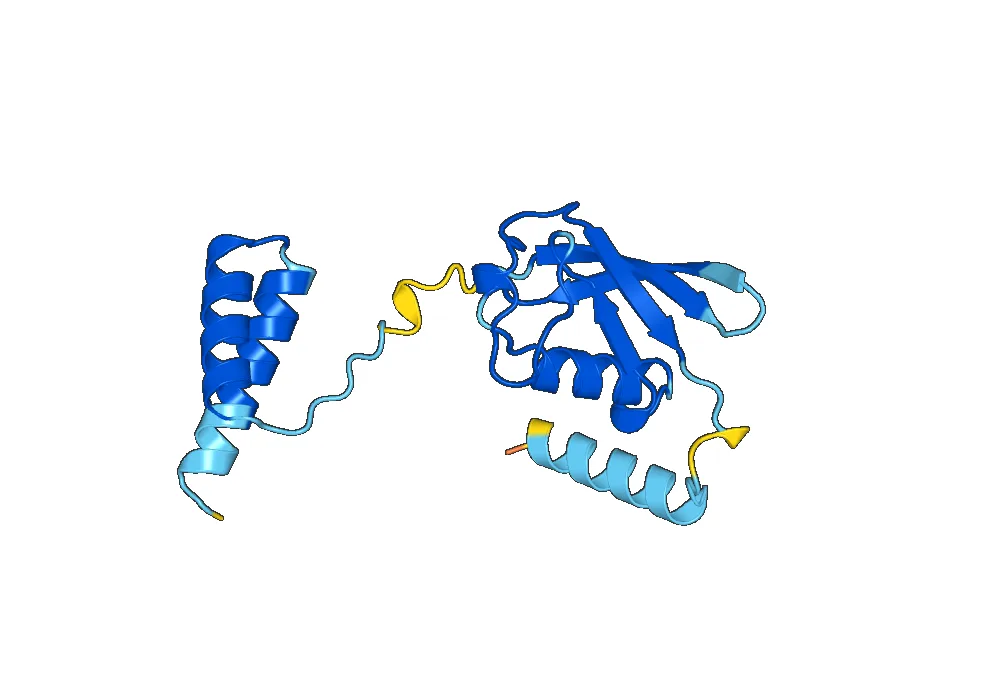
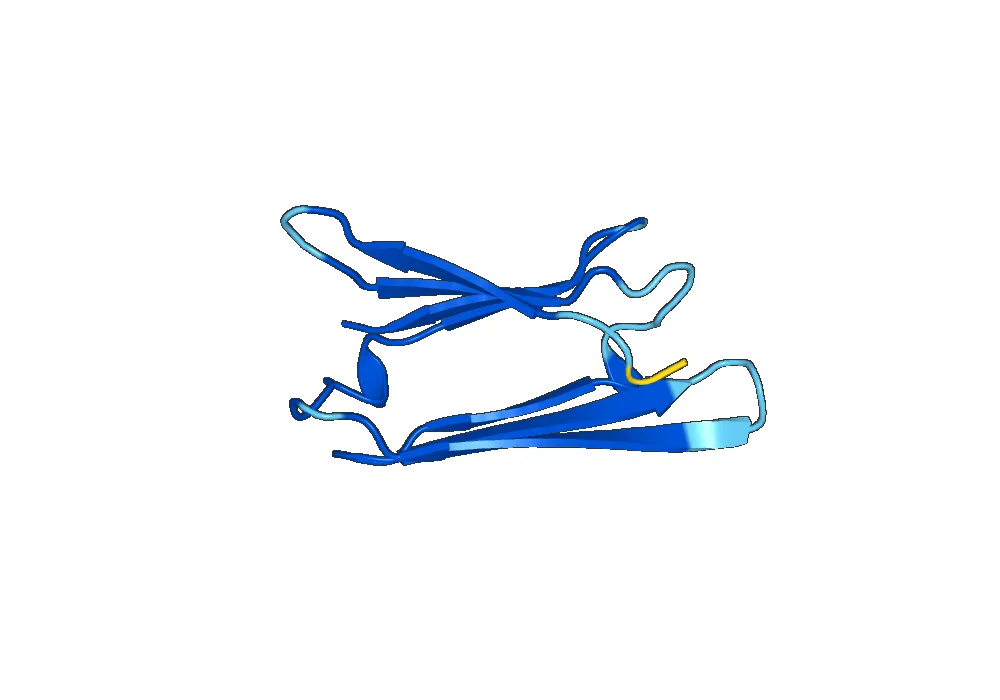
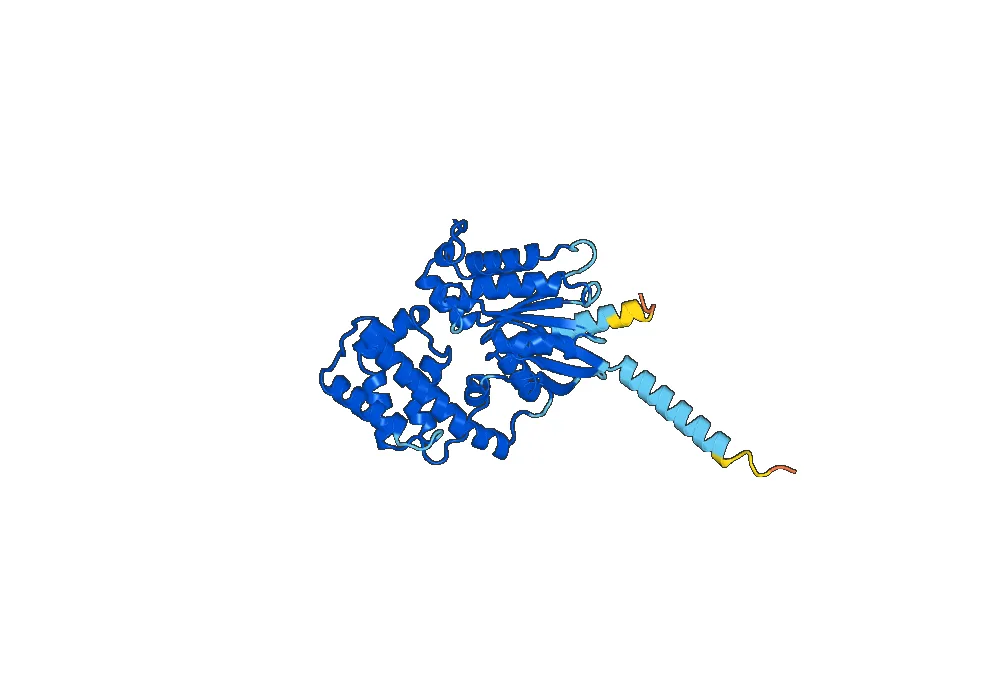
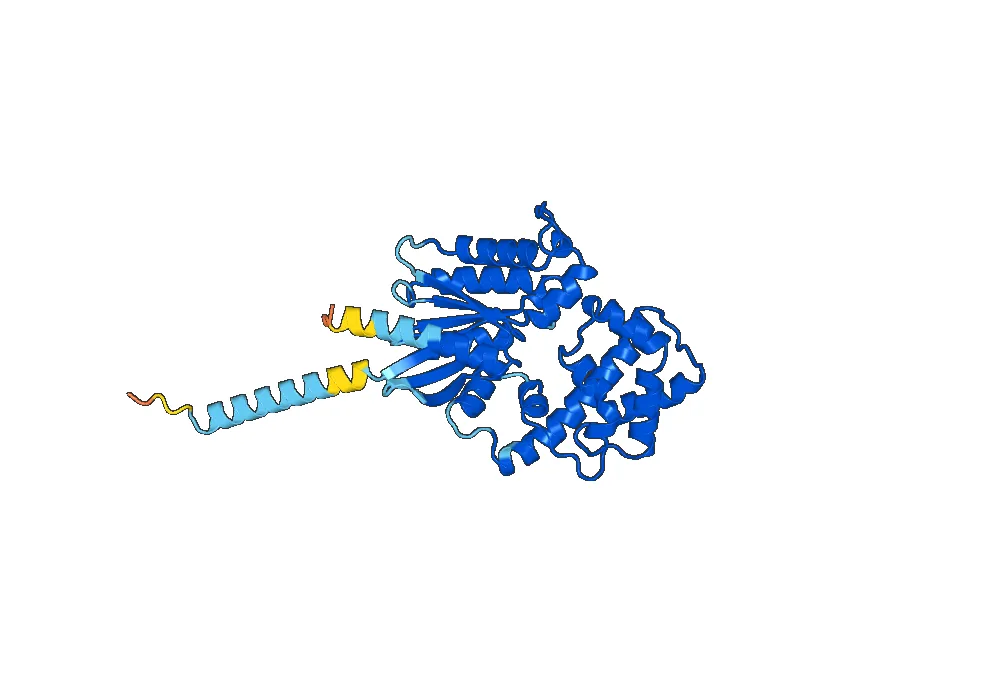
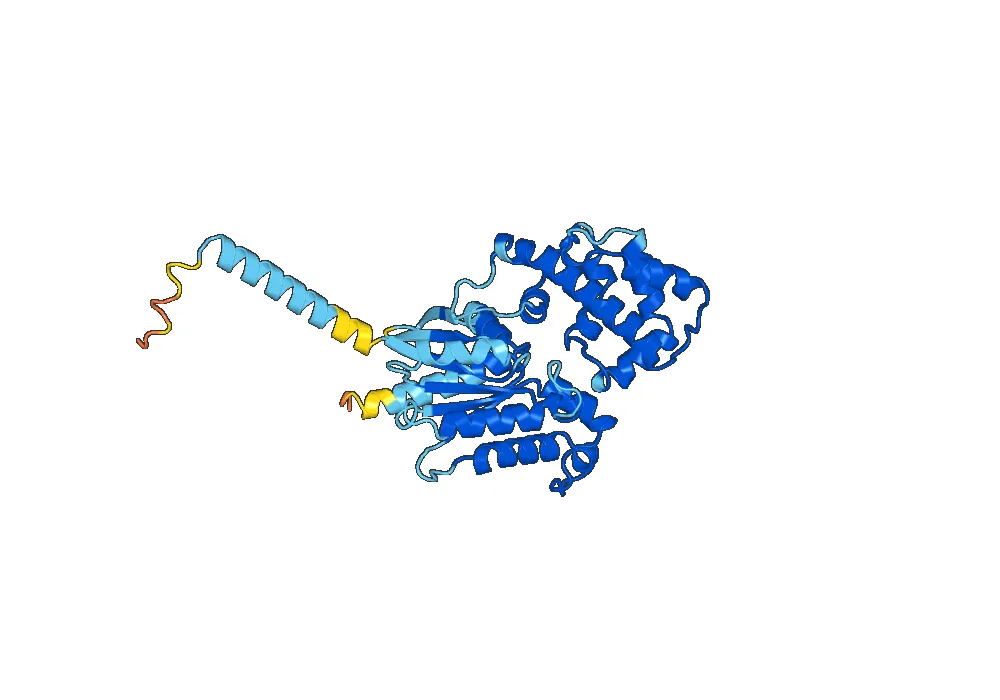
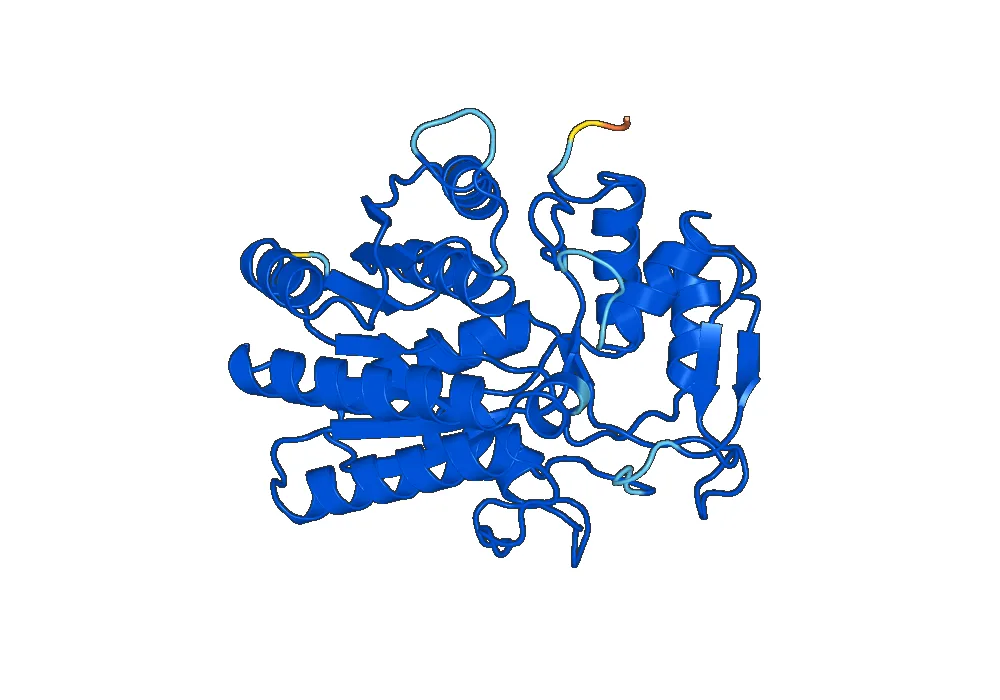
The gene encoding for RBCK1 protein is located on chromosome 20 and is composed of 15 exons. The protein itself is composed of 518 amino acids with a molecular weight of approximately 58 kDa. It contains several functional domains, including a zinc finger domain, a coiled-coil domain, and a RING finger domain, which is essential for its E3 ubiquitin ligase activity.
Activity of Recombinant Human RBCK1 Protein
RBCK1 protein plays a crucial role in the ubiquitination pathway, which is responsible for targeting proteins for degradation. It acts as an E3 ubiquitin ligase, which means it facilitates the transfer of ubiquitin molecules to target proteins. This process is essential for regulating various cellular processes, such as protein turnover, DNA repair, and cell signaling.
RBCK1 protein has been shown to interact with several proteins involved in the ubiquitination pathway, including E2 enzymes and other E3 ligases. It has also been found to play a role in the degradation of misfolded proteins and the regulation of cell cycle progression.
Application of Recombinant Human RBCK1 Protein
Recombinant Human RBCK1 Protein has various applications in both research and therapeutic settings. Its role in the ubiquitination pathway makes it a valuable tool for studying protein degradation and cellular processes. It can also be used to investigate the function of RBCK1 in various diseases, such as cancer and neurodegenerative disorders.
In therapeutic applications, RBCK1 protein has been shown to have potential as a target for cancer treatment. Studies have found that inhibiting RBCK1 activity can lead to decreased cell growth and increased cell death in cancer cells. Additionally, RBCK1 has been implicated in the development of Parkinson’s disease, making it a potential target for therapeutic intervention.
Conclusion
In summary, Recombinant Human RBCK1 Protein is a crucial component of the ubiquitination pathway with a diverse range of functions. Its structure, activity, and application make it a valuable tool for both research and therapeutic purposes. Further studies on RBCK1 and its interactions may lead to a better understanding of its role in various diseases and the development of new treatments.



There are no reviews yet.