Introduction
Recombinant Human RBM4 Protein, also known as RNA-binding motif protein 4, is a highly conserved protein that plays a crucial role in regulating gene expression. This protein is encoded by the RBM4 gene and is found in various tissues and cell types, including the brain, heart, and skeletal muscles. Recombinant Human RBM4 Protein has been extensively studied for its structure, activity, and potential applications in various fields of research.
Structure of Recombinant Human RBM4 Protein
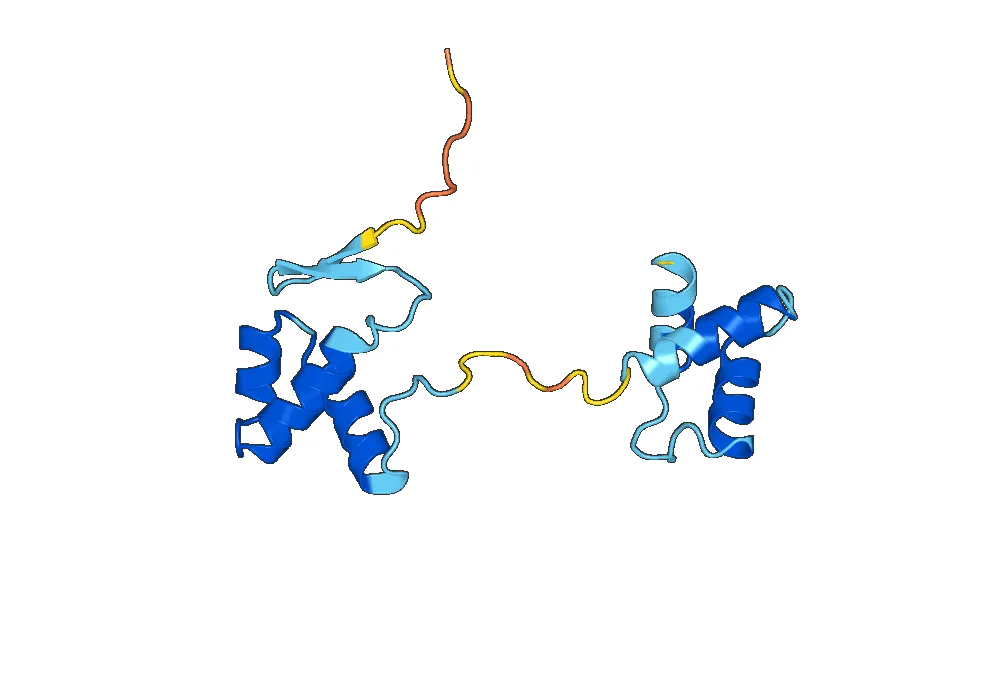
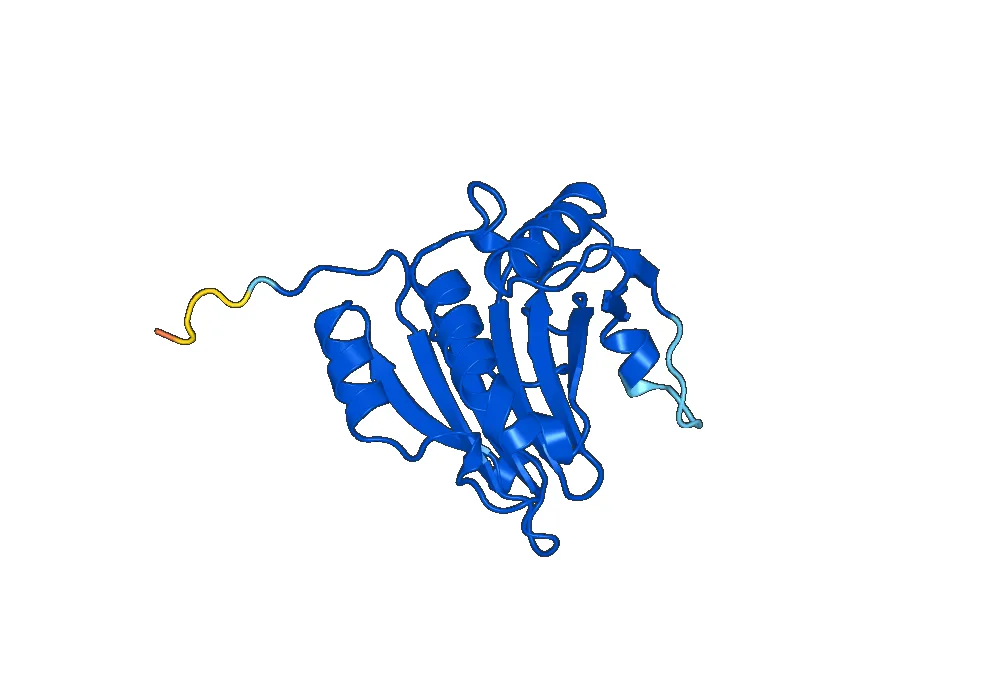
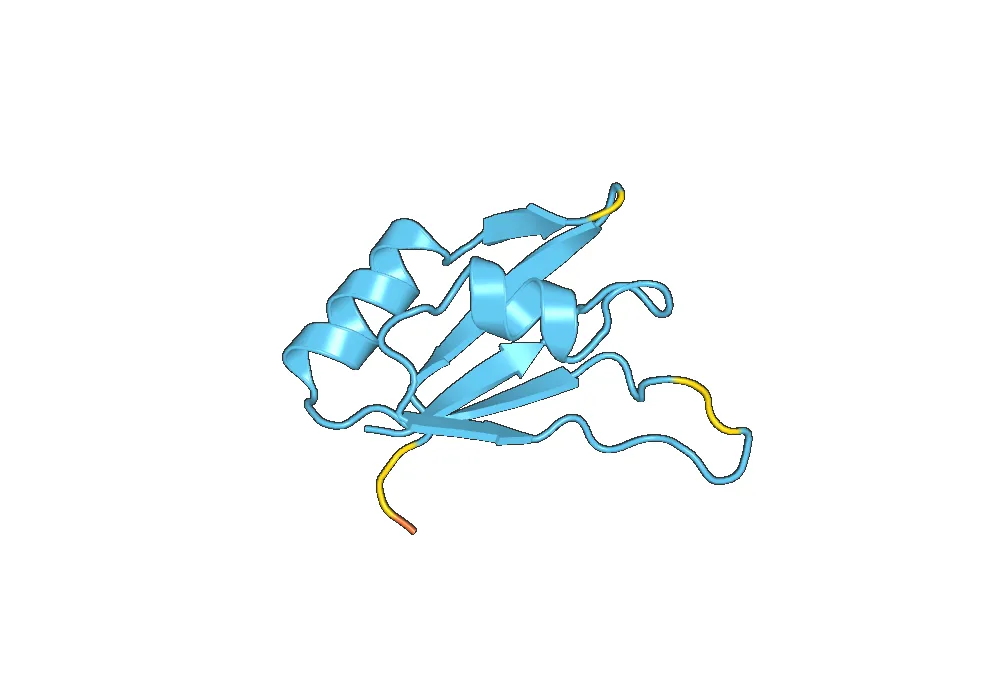
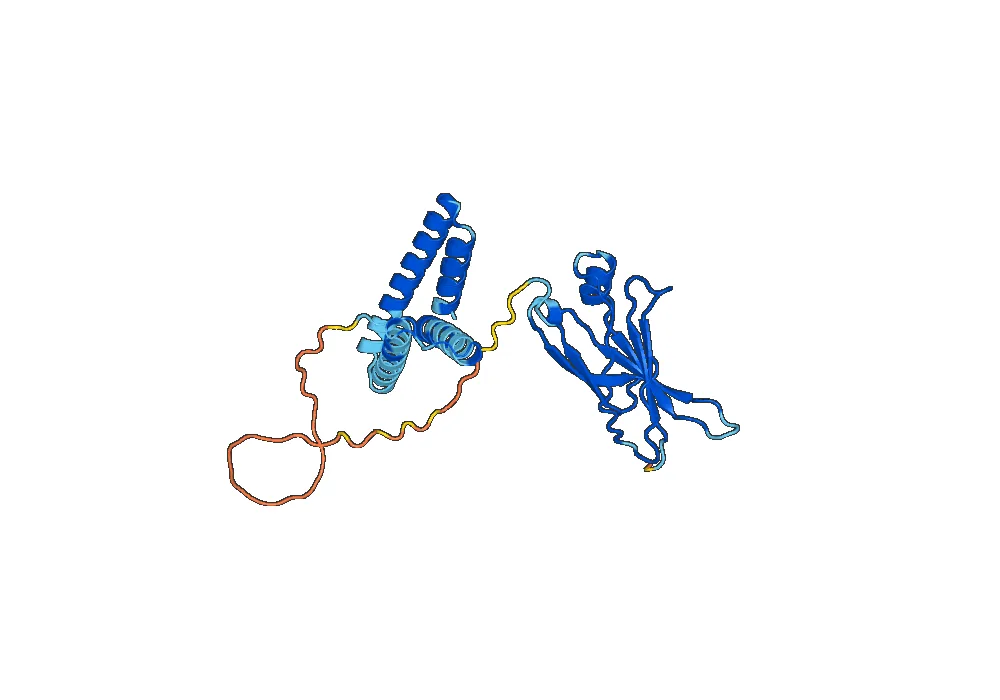
The primary structure of Recombinant Human RBM4 Protein consists of 372 amino acids, with a molecular weight of approximately 41 kDa. It contains two RNA recognition motifs (RRMs) that are responsible for its binding to RNA molecules. These RRMs are highly conserved and are essential for the protein’s function. The protein also contains an N-terminal region that is involved in protein-protein interactions and a C-terminal region that is responsible for its nuclear localization.
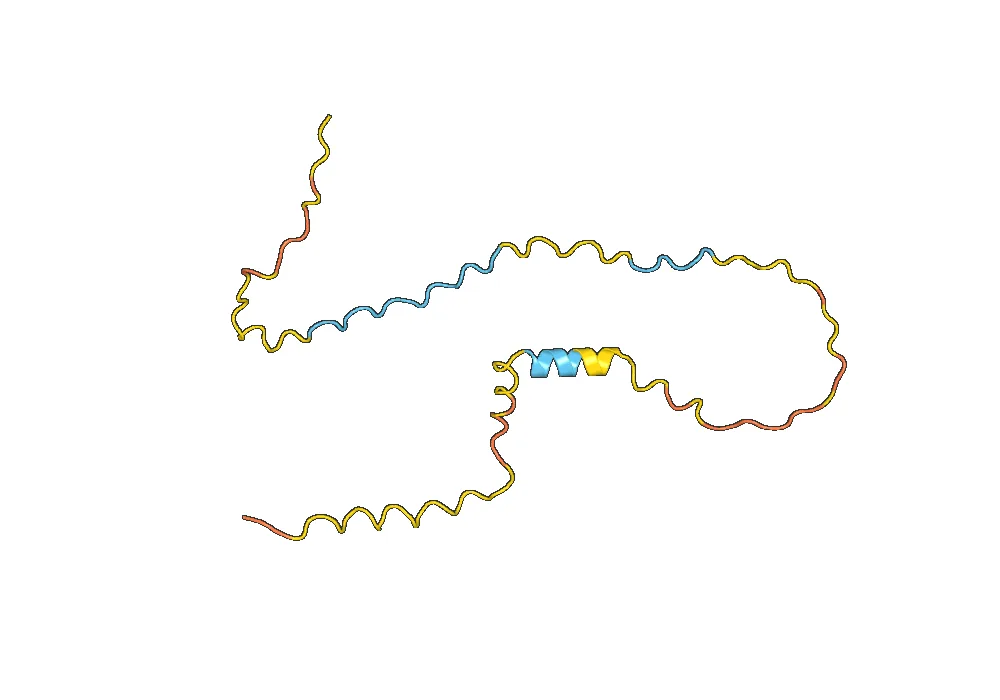
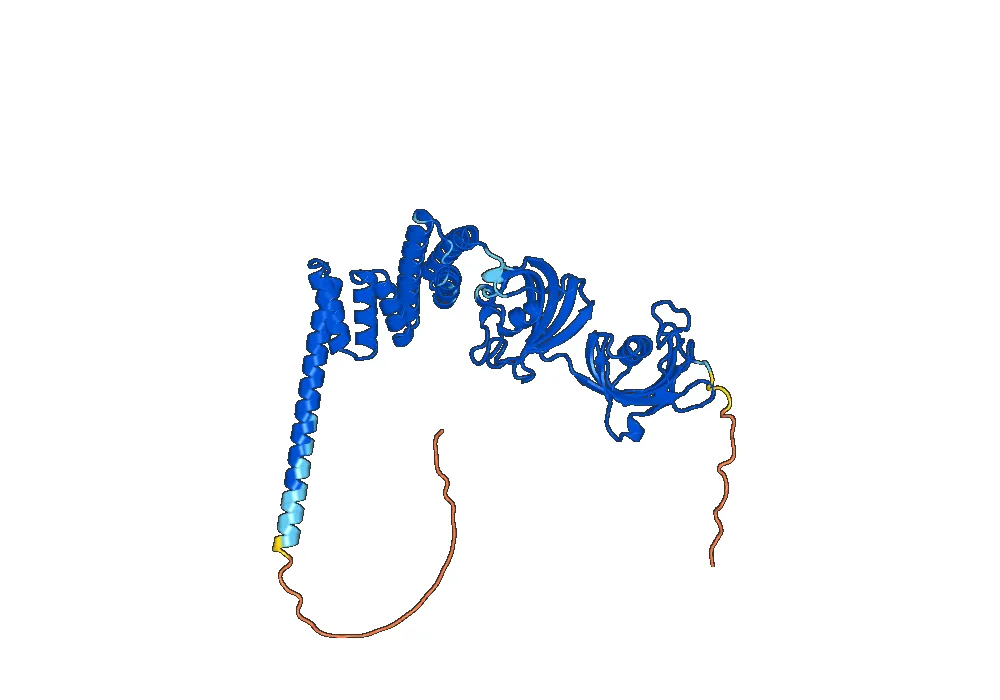
The crystal structure of Recombinant Human RBM4 Protein has been determined, revealing a compact and globular structure with a central β-sheet surrounded by α-helices. This structure is similar to other RNA-binding proteins and is crucial for its RNA-binding activity. Mutagenesis studies have identified key amino acid residues that are critical for the protein’s function, further confirming the importance of its structure.
Activity of Recombinant Human RBM4 Protein
Recombinant Human RBM4 Protein is a multifunctional protein that plays a crucial role in post-transcriptional gene regulation. It binds to specific RNA sequences and regulates their splicing, stability, and translation. This protein has been shown to interact with various RNA molecules, including pre-mRNA, mRNA, and microRNA, and has been implicated in various cellular processes, such as cell proliferation, differentiation, and apoptosis.
Studies have also shown that Recombinant Human RBM4 Protein has a role in alternative splicing, which is a process that generates multiple mRNA isoforms from a single gene. This protein has been shown to bind to specific RNA sequences and influence the splicing of various genes, including those involved in cancer progression. Additionally, Recombinant Human RBM4 Protein has been found to regulate the expression of genes involved in muscle development and function, making it a potential therapeutic target for muscle-related disorders.
Applications of Recombinant Human RBM4 Protein
Recombinant Human RBM4 Protein has been extensively studied for its potential applications in various fields of research. Its role in regulating gene expression makes it a valuable tool for studying RNA biology and post-transcriptional gene regulation. This protein has been used in in vitro splicing assays to investigate its role in alternative splicing and to identify its binding partners.
Furthermore, Recombinant Human RBM4 Protein has been studied for its potential therapeutic applications. Its involvement in cancer progression and muscle development makes it a promising target for the treatment of these diseases. Studies have shown that targeting RBM4 expression can inhibit cancer cell growth and promote muscle regeneration, highlighting its potential as a therapeutic agent.
In addition, Recombinant Human RBM4 Protein has been used as an antigen in various immunological studies. Antibodies against this protein have been developed and used to detect its expression in various tissues and cell types. These studies have provided valuable insights into the protein’s localization and function in different biological systems.
Conclusion
In conclusion, Recombinant Human RBM4 Protein is a highly conserved and multifunctional protein that plays a crucial role in regulating gene expression. Its structure and activity have been extensively studied, and its potential applications in various fields of research are being explored. Further research on this protein may provide valuable insights into its role in various diseases and its potential as a therapeutic target.


There are no reviews yet.