Introduction to Recombinant Human RBX1 Protein
Recombinant Human RBX1 Protein, also known as RING box protein 1, is a highly conserved protein found in all eukaryotic organisms. It is a key component of the Skp1-Cullin-F-box (SCF) ubiquitin ligase complex, which plays a crucial role in the regulation of protein degradation and cellular processes such as cell cycle progression, DNA repair, and signal transduction.
Structure of Recombinant Human RBX1 Protein
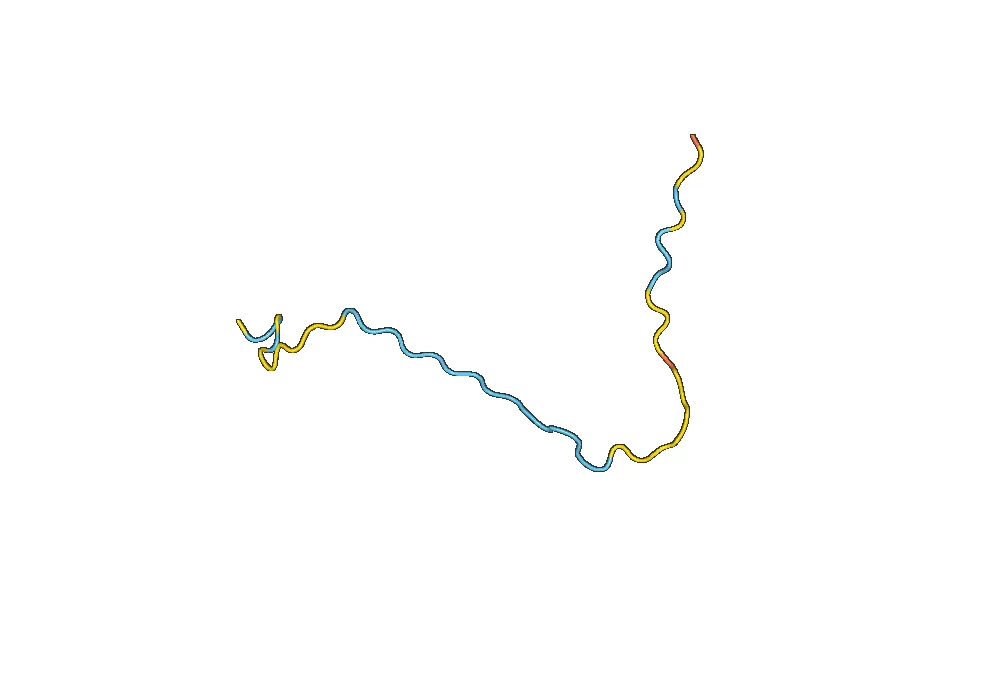
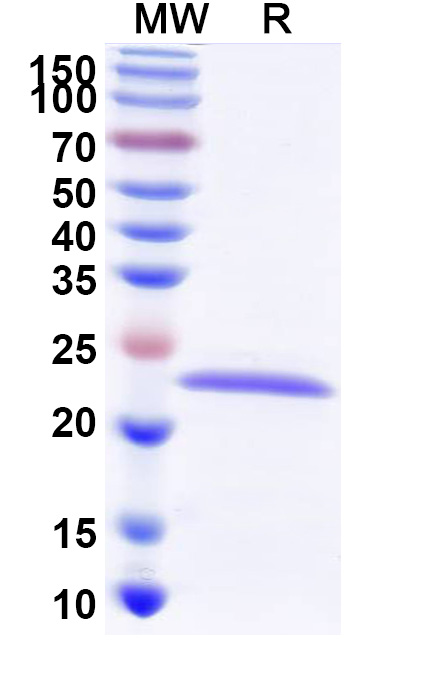
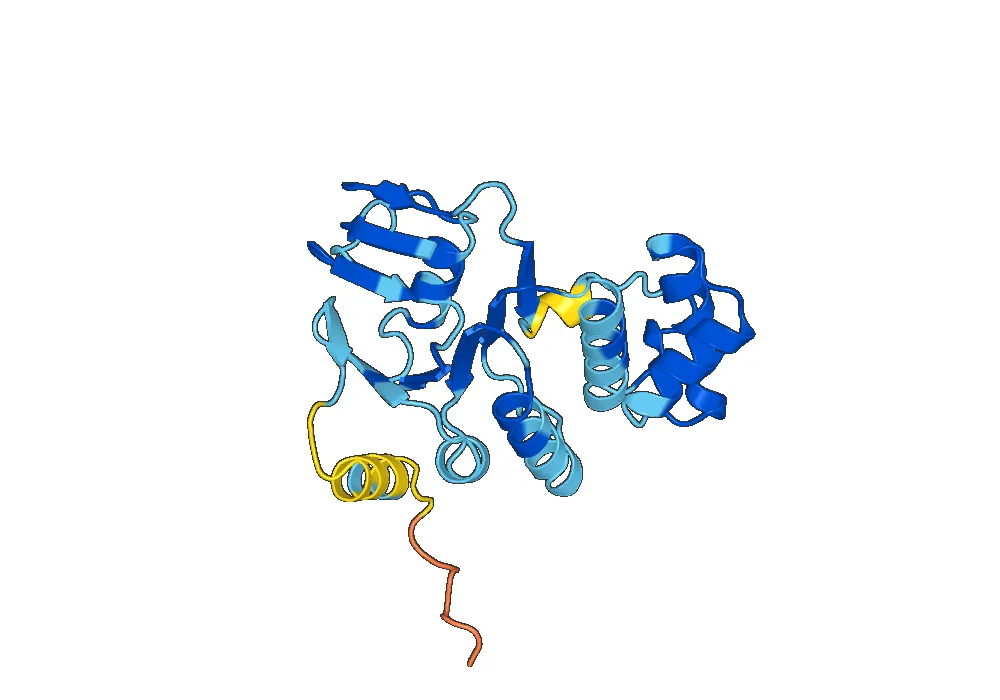
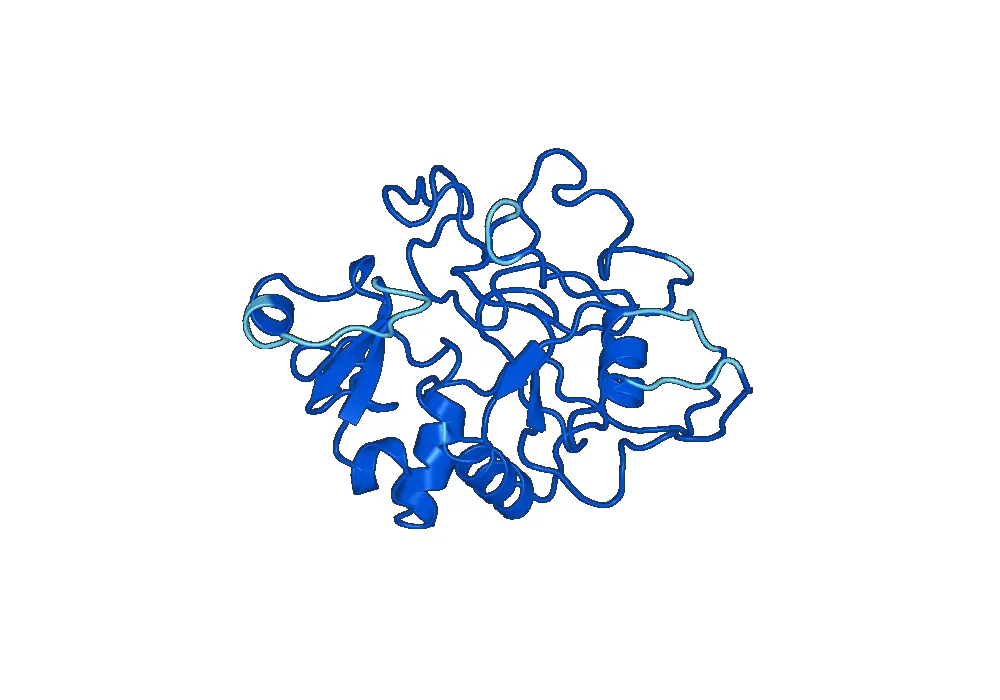
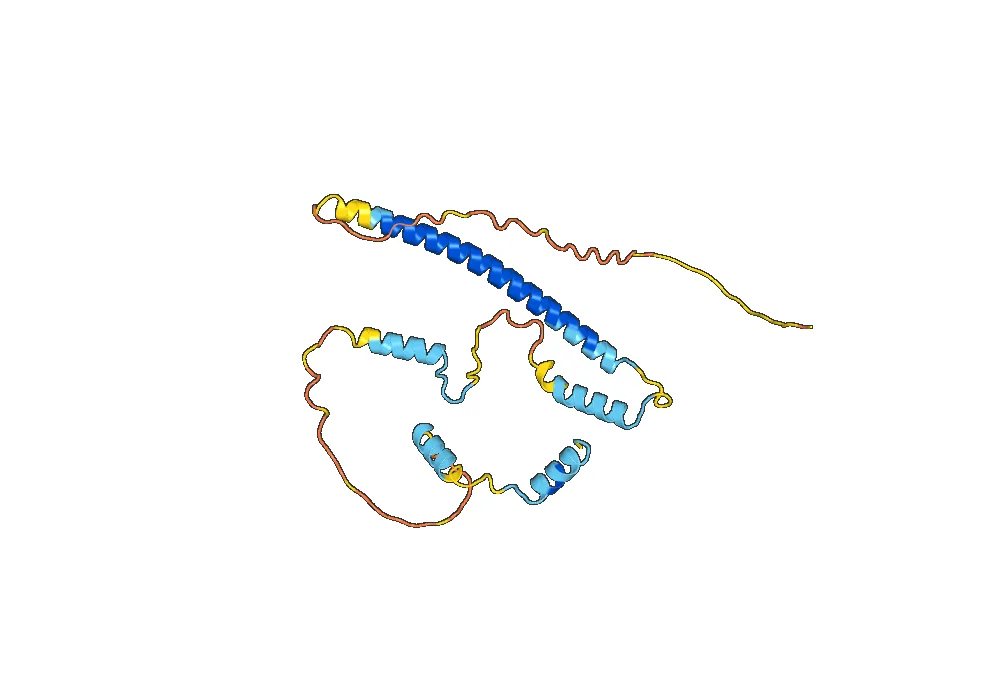
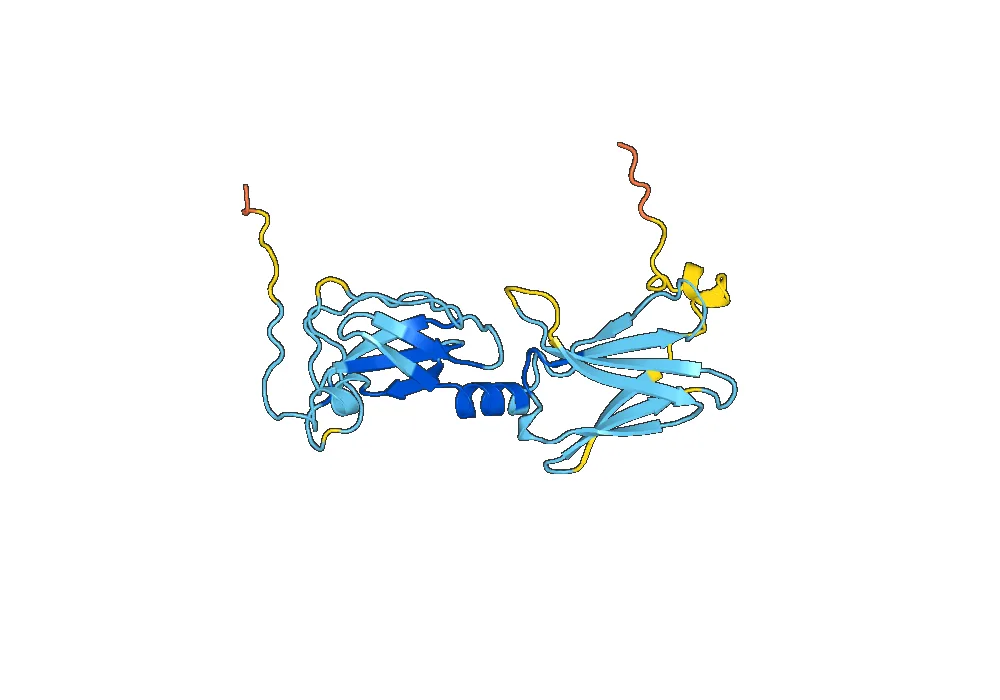
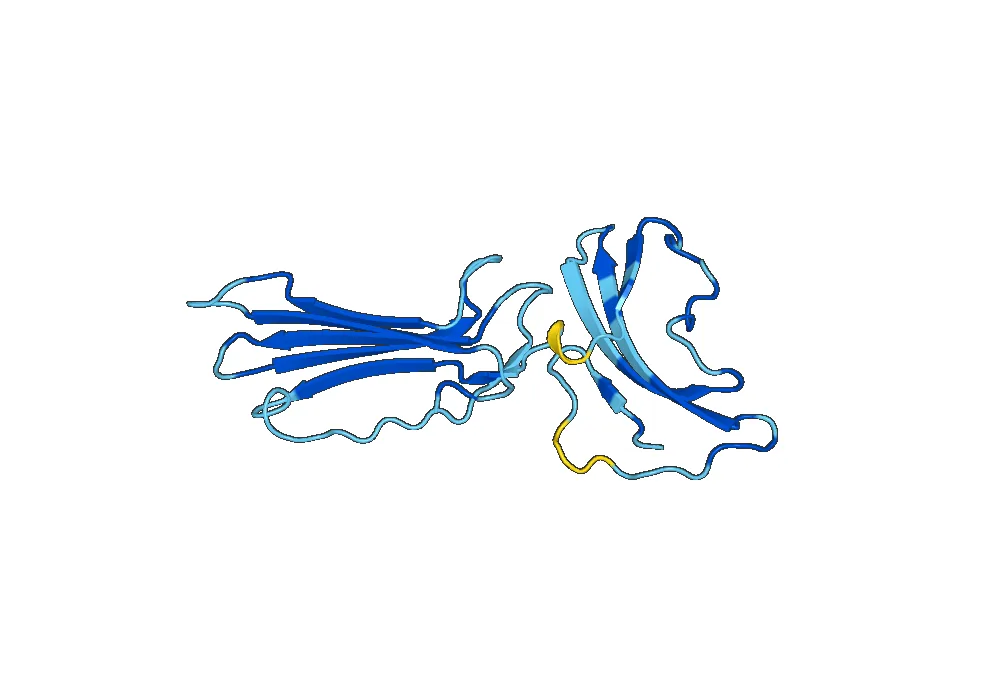
The Recombinant Human RBX1 Protein is a 103 amino acid protein with a molecular weight of approximately 11.7 kDa. It consists of a RING finger domain at the N-terminus and a C-terminal domain that interacts with the Skp1 subunit of the SCF complex. The RING finger domain is responsible for the E3 ubiquitin ligase activity of RBX1, while the C-terminal domain is involved in substrate recognition and binding.
The RING finger domain of RBX1 contains a conserved cysteine and histidine rich motif that coordinates two zinc ions, which are essential for its enzymatic activity. This domain also interacts with the E2 ubiquitin-conjugating enzyme, facilitating the transfer of ubiquitin from the E2 enzyme to the substrate protein.
Activity of Recombinant Human RBX1 Protein
The main function of Recombinant Human RBX1 Protein is to act as a scaffold protein in the SCF complex, bringing together the Skp1, Cul1, and F-box protein subunits. This complex then recruits specific substrate proteins, which are targeted for ubiquitination and subsequent degradation by the 26S proteasome.
RBX1 also plays a crucial role in the regulation of the SCF complex activity. It has been shown to interact with various proteins, including the NEDD8 conjugating enzyme, which is responsible for the neddylation of the Cul1 subunit. This neddylation process is essential for the activation of the SCF complex and its subsequent ubiquitin ligase activity.
In addition to its role in protein degradation, Recombinant Human RBX1 Protein has also been implicated in other cellular processes. It has been shown to be involved in the regulation of DNA repair and the response to DNA damage, as well as in the control of cell cycle progression and apoptosis.
Applications of Recombinant Human RBX1 Protein
The unique structure and activity of Recombinant Human RBX1 Protein make it a valuable tool for various research applications. One of the most common uses of RBX1 is in in vitro ubiquitination assays, where it is used to study the activity of the SCF complex and its interaction with different substrate proteins.
RBX1 is also used in structural studies to investigate the interaction between the different subunits of the SCF complex and their binding to specific substrates. This has provided valuable insights into the molecular mechanisms underlying the regulation of protein degradation by the SCF complex.
Furthermore, Recombinant Human RBX1 Protein has potential therapeutic applications. As the SCF complex is involved in the degradation of many proteins implicated in diseases such as cancer and neurodegenerative disorders, targeting RBX1 could provide a novel approach for the development of new treatments.
Conclusion
In summary, Recombinant Human RBX1 Protein is a crucial component of the SCF ubiquitin ligase complex, with a unique structure and activity that allows for the regulation of protein degradation and other cellular processes. Its diverse applications in research and potential therapeutic uses make it a valuable tool for the scientific community.


There are no reviews yet.