Introduction
Recombinant human SBF2/MTMR13 protein is a highly specialized protein that plays a crucial role in various cellular processes. This protein is encoded by the SBF2/MTMR13 gene and is a member of the myotubularin-related protein family. It is involved in regulating the activity of phosphoinositide 3-kinase (PI3K) and has been found to be essential for proper cell growth, differentiation, and survival. In this article, we will discuss the structure, activity, and applications of recombinant human SBF2/MTMR13 protein.
Structure of Recombinant Human SBF2/MTMR13 Protein
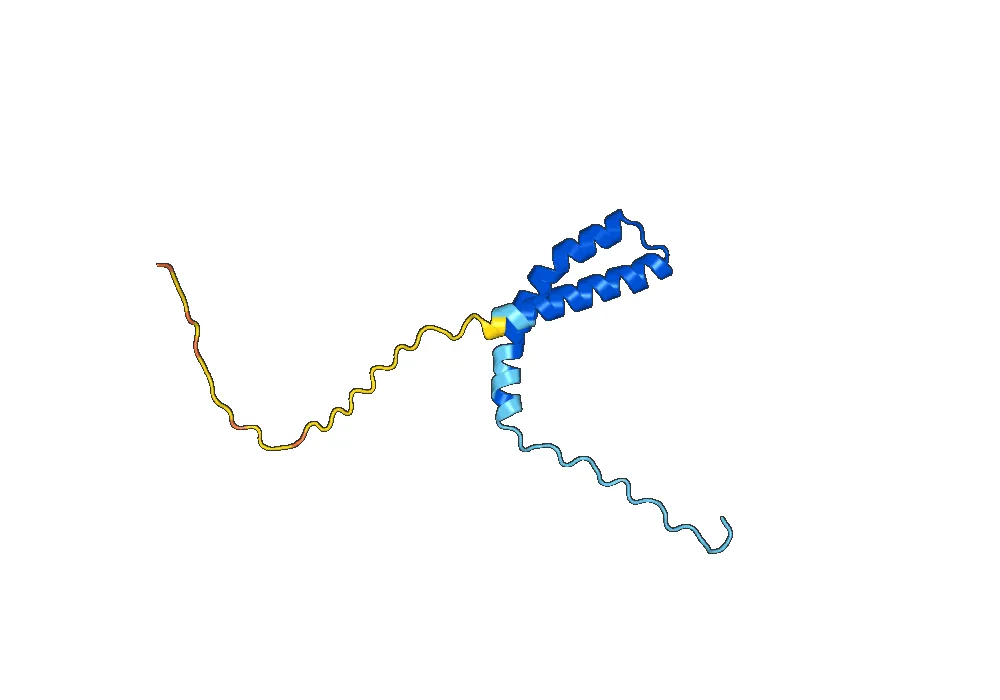
Recombinant human SBF2/MTMR13 protein is a 1,456 amino acid long protein with a molecular weight of approximately 165 kDa. It contains a phosphatase domain, a FYVE domain, and a coiled-coil domain. The phosphatase domain is responsible for the catalytic activity of the protein, while the FYVE domain is involved in binding to phosphatidylinositol 3-phosphate (PI3P). The coiled-coil domain is responsible for protein-protein interactions and is essential for the proper functioning of the protein.
Activity of Recombinant Human SBF2/MTMR13 Protein
Recombinant human SBF2/MTMR13 protein is a phosphoinositide phosphatase that regulates the levels of PI3P in cells. PI3P is a lipid molecule that plays a crucial role in various cellular processes, including cell growth, survival, and differentiation. The activity of this protein is tightly regulated and is essential for maintaining the balance of PI3P levels in the cell.
The primary function of recombinant human SBF2/MTMR13 protein is to dephosphorylate PI3P to phosphatidylinositol (PI). This activity is crucial for the regulation of PI3K activity, which is a key enzyme involved in the PI3K/AKT signaling pathway. This pathway is essential for cell survival, proliferation, and metabolism, and dysregulation of this pathway has been linked to various diseases, including cancer.
Apart from its role in regulating PI3K activity, recombinant human SBF2/MTMR13 protein has also been found to be involved in other cellular processes. It has been shown to play a role in autophagy, a cellular process that involves the degradation of damaged or unnecessary cellular components. It also plays a role in endocytosis, the process by which cells take in molecules and particles from their surroundings.
Applications of Recombinant Human SBF2/MTMR13 Protein
Recombinant human SBF2/MTMR13 protein has various potential applications in the field of research and medicine. Its role in regulating PI3K activity makes it a potential target for therapeutic interventions in diseases such as cancer and autoimmune disorders. It has also been found to be involved in neurodegenerative diseases, and further research on this protein may lead to the development of treatments for these conditions.
Recombinant human SBF2/MTMR13 protein has also been used in various studies to understand its role in cellular processes and its potential as a therapeutic target. It has been found to be essential for proper muscle development and function, and mutations in the SBF2/MTMR13 gene have been linked to various muscle disorders. Therefore, this protein may also have potential applications in the treatment of these disorders.
In addition, recombinant human SBF2/MTMR13 protein has been used as an antigen in various studies to develop antibodies for diagnostic and therapeutic purposes. Antibodies against this protein have been found to be useful in detecting its expression and activity in cells and tissues. They can also be used to study the role of this protein in various diseases and to develop targeted therapies.
Conclusion
Recombinant human SBF2/MTMR13 protein is a highly specialized protein

There are no reviews yet.