Introduction to Recombinant Human SLC25A37 Protein
Recombinant human SLC25A37 protein, also known as the solute carrier family 25 member 37, is a mitochondrial protein that plays a crucial role in cellular metabolism and energy production. This protein is encoded by the SLC25A37 gene and is highly conserved among various species, indicating its importance in biological processes.
Structure of Recombinant Human SLC25A37 Protein
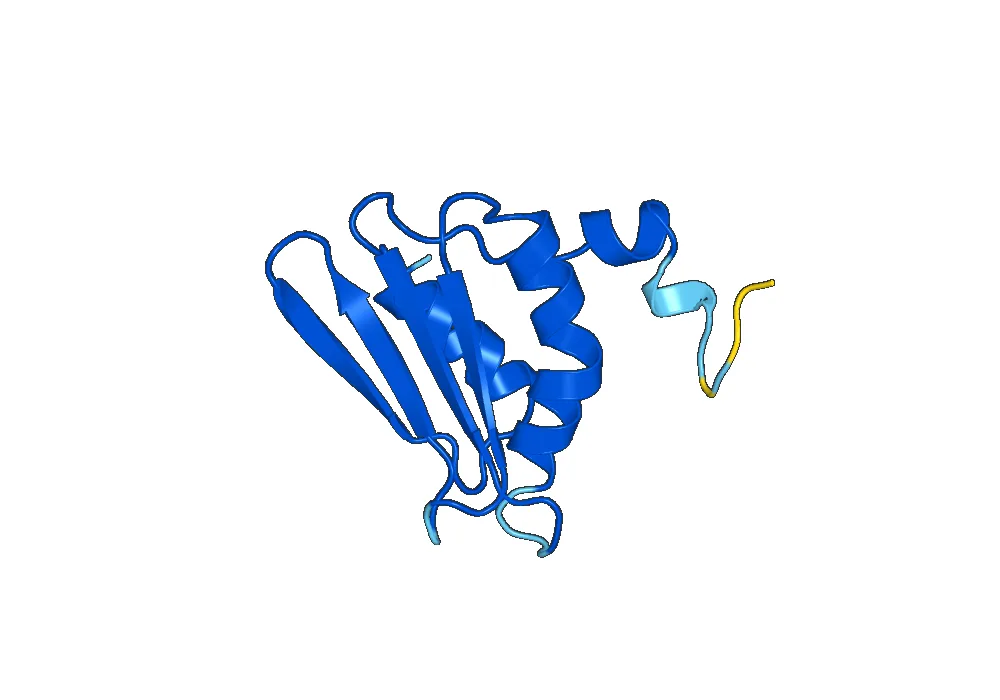
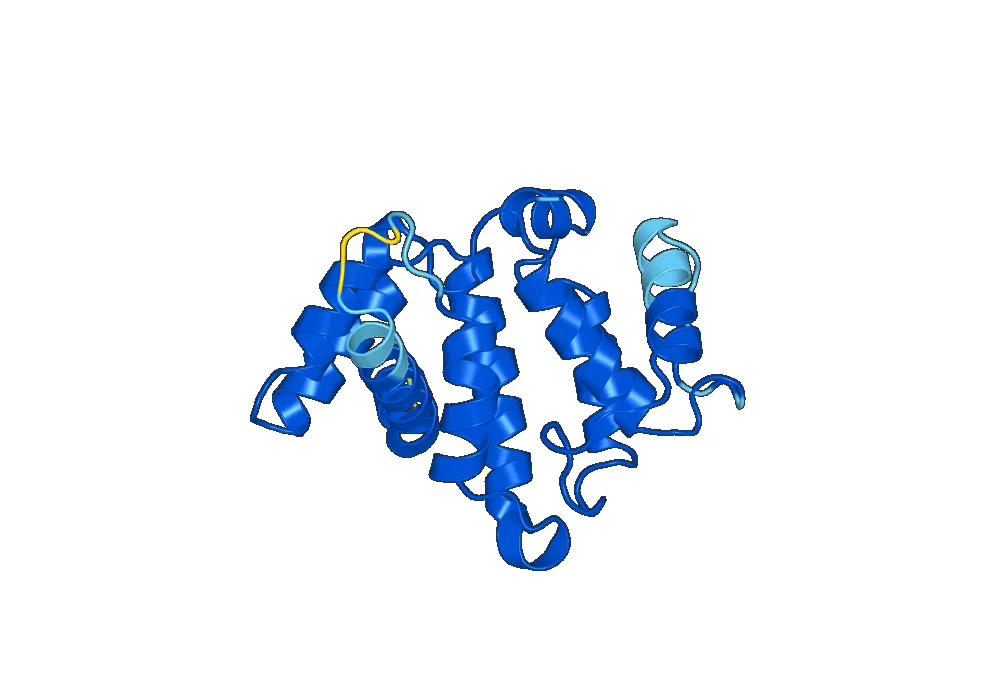
The recombinant human SLC25A37 protein is composed of 304 amino acids with a molecular weight of approximately 33 kDa. It belongs to the mitochondrial carrier family, which is responsible for transporting metabolites, cofactors, and other small molecules across the inner mitochondrial membrane. The structure of this protein consists of six transmembrane domains, with the N- and C-termini facing the cytoplasm. It also contains two signature motifs, the P-loop and the mitochondrial carrier signature, which are essential for its transport function.
Activity of Recombinant Human SLC25A37 Protein
The main function of recombinant human SLC25A37 protein is to transport coenzyme A (CoA) into the mitochondrial matrix, where it is involved in various metabolic pathways, including the tricarboxylic acid (TCA) cycle, fatty acid oxidation, and amino acid metabolism. CoA is an essential cofactor that plays a crucial role in energy production by transferring acyl groups between different metabolic pathways. The transport of CoA by SLC25A37 is necessary for maintaining the balance of these metabolic processes and ensuring efficient energy production.
In addition to its role in CoA transport, recombinant human SLC25A37 protein has been shown to interact with other proteins involved in mitochondrial metabolism, such as the adenine nucleotide translocase (ANT) and the uncoupling proteins (UCPs). These interactions suggest that SLC25A37 may play a role in regulating mitochondrial respiration and energy expenditure.
Application of Recombinant Human SLC25A37 Protein
The recombinant human SLC25A37 protein has various applications in both research and clinical settings. One of its primary uses is in studying the role of mitochondrial metabolism in diseases. Mutations in the SLC25A37 gene have been linked to various disorders, including mitochondrial encephalomyopathy, lactic acidosis, and stroke-like episodes (MELAS), and Leigh syndrome. Recombinant human SLC25A37 protein can be used to investigate the effects of these mutations on its structure and function, providing insights into the underlying mechanisms of these diseases.
Furthermore, recombinant human SLC25A37 protein has potential therapeutic applications. As it is involved in energy production and metabolism, targeting SLC25A37 could be a promising strategy for treating metabolic disorders. For instance, modulating the activity of SLC25A37 could help restore CoA levels in patients with CoA deficiency disorders, leading to improved energy production and metabolism. Additionally, targeting SLC25A37 could also be beneficial in the treatment of obesity and diabetes, as it may regulate energy expenditure through its interactions with UCPs.
Conclusion
In summary, recombinant human SLC25A37 protein is a crucial mitochondrial protein involved in CoA transport and metabolism. Its structure and function make it an essential player in cellular energy production and metabolic homeostasis. Its diverse applications in research and potential therapeutic uses make it a promising target for further studies. Understanding the structure, activity, and application of recombinant human SLC25A37 protein is crucial in advancing our knowledge of mitochondrial metabolism and its implications in health and disease.


There are no reviews yet.