Introduction to Recombinant Human TCL1A
Recombinant Human TCL1A, also known as T-cell leukemia/lymphoma protein 1A, is a protein that plays a crucial role in the development and function of T-cells. It is a member of the TCL1 family of proteins, which are known to be involved in various cellular processes such as cell cycle regulation, apoptosis, and signal transduction. Recombinant Human TCL1A is a genetically engineered version of the native human protein, produced through recombinant DNA technology. This allows for large-scale production of the protein, making it a valuable tool for research and potential therapeutic applications.
Structure of Recombinant Human TCL1A
The native human TCL1A protein is composed of 123 amino acids, with a molecular weight of approximately 14 kDa. Recombinant Human TCL1A is produced in a similar manner, with the protein sequence being inserted into a suitable expression vector and then expressed in a host cell, typically E. coli or yeast. The resulting protein is then purified and can be used for various applications.
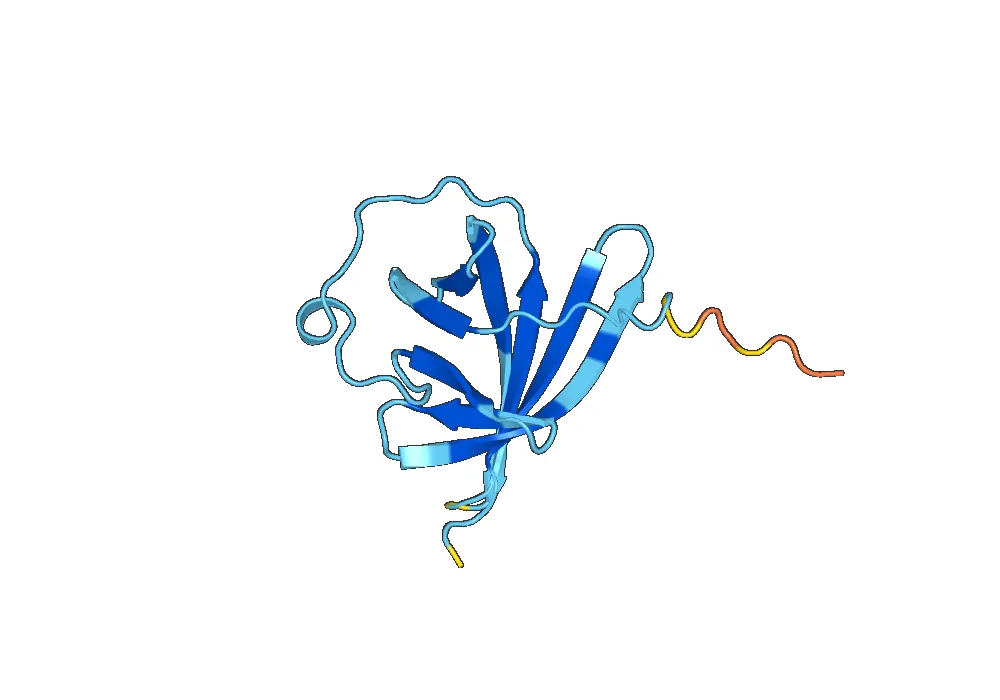
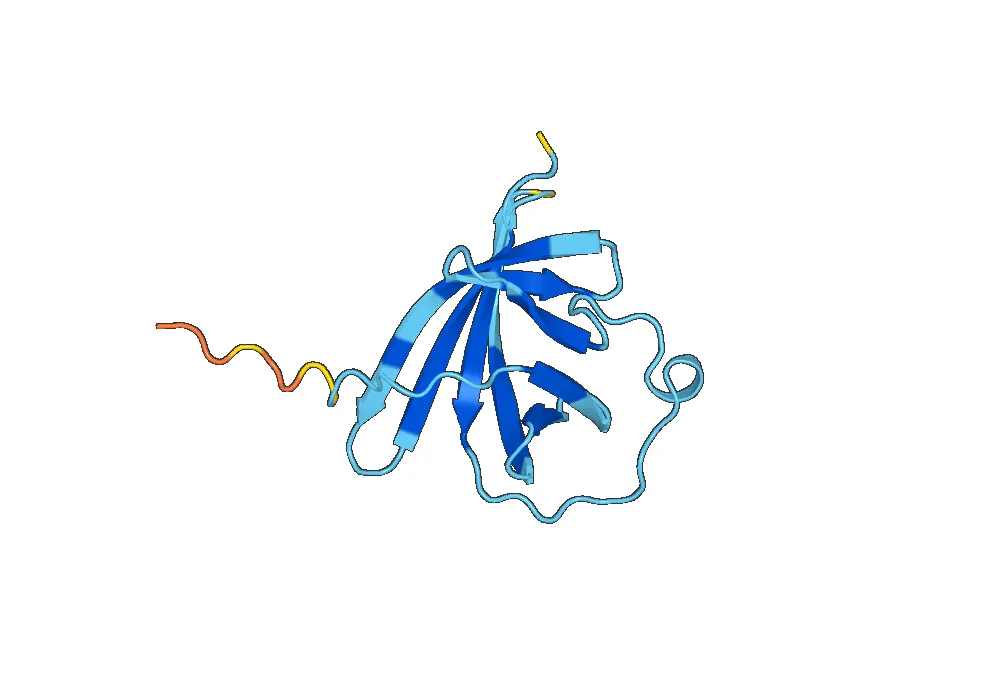
The crystal structure of Recombinant Human TCL1A has been determined, revealing that it forms a homodimer in its active form. Each monomer consists of a five-stranded beta-sheet surrounded by alpha-helices, with a conserved hydrophobic pocket that is essential for its function. This structure is important for protein-protein interactions and allows for the binding of other proteins involved in T-cell signaling pathways.
Activity of Recombinant Human TCL1A
The main function of Recombinant Human TCL1A is to regulate the development and function of T-cells. It has been shown to be essential for the survival of T-cells and is involved in the proliferation and differentiation of these cells. It also plays a role in the activation of T-cell receptor signaling pathways, which are crucial for the immune response.
Recombinant Human TCL1A has also been found to have oncogenic properties, as it is overexpressed in various types of T-cell lymphomas. It has been shown to promote cell growth and inhibit apoptosis, leading to the uncontrolled proliferation of cancer cells. Therefore, understanding the activity of this protein is crucial for developing potential therapeutic interventions for T-cell lymphomas.
Applications of Recombinant Human TCL1A
Recombinant Human TCL1A has a wide range of applications in both research and potential therapeutic fields. Some of the key applications include:
- Studying T-cell development and function: Recombinant Human TCL1A can be used to study the role of this protein in T-cell development and function. It can be added to cell cultures to observe its effects on T-cell proliferation, differentiation, and survival.
- Drug discovery: As Recombinant Human TCL1A is involved in T-cell signaling pathways, it can be a potential target for drug discovery in diseases such as T-cell lymphomas. Recombinant Human TCL1A can be used in screening assays to identify compounds that can modulate its activity.
- Therapeutic applications: Recombinant Human TCL1A has shown potential as a therapeutic target for T-cell lymphomas. By understanding its structure and activity, researchers can develop targeted therapies that can inhibit its oncogenic properties and potentially treat these types of cancers.
Conclusion
In summary, Recombinant Human TCL1A is a crucial protein involved in T-cell development and function. Its structure, activity, and potential applications make it a valuable tool for research and potential therapeutic interventions. Further studies on this protein can lead to a better understanding of T-cell biology and the development of novel treatments for diseases associated with T-cell dysfunction.

There are no reviews yet.