Introduction
Recombinant proteins, also known as recombinant antigens, are proteins that are produced through genetic engineering techniques. These proteins have become an essential tool in various fields of research, including biotechnology, medicine, and diagnostics. One such recombinant protein is the human TMED9 protein, which has gained significant attention due to its unique structure and diverse functions.
Structure of Recombinant Human TMED9 Protein
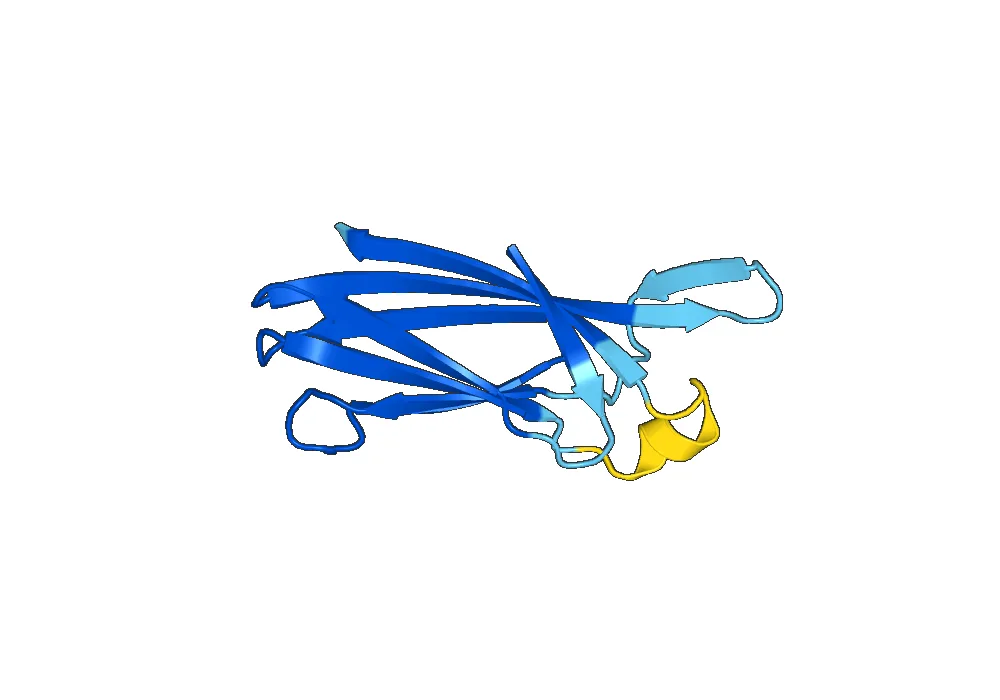
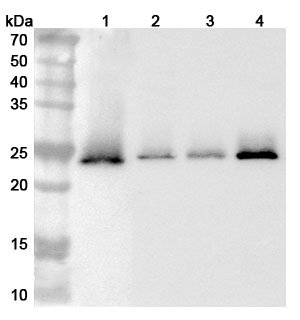
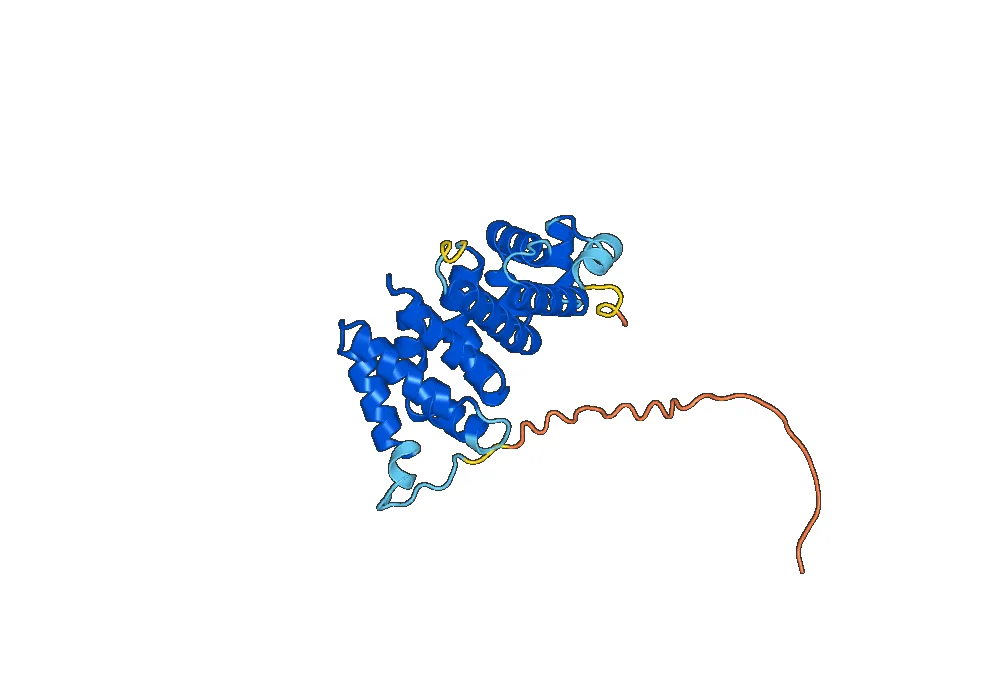
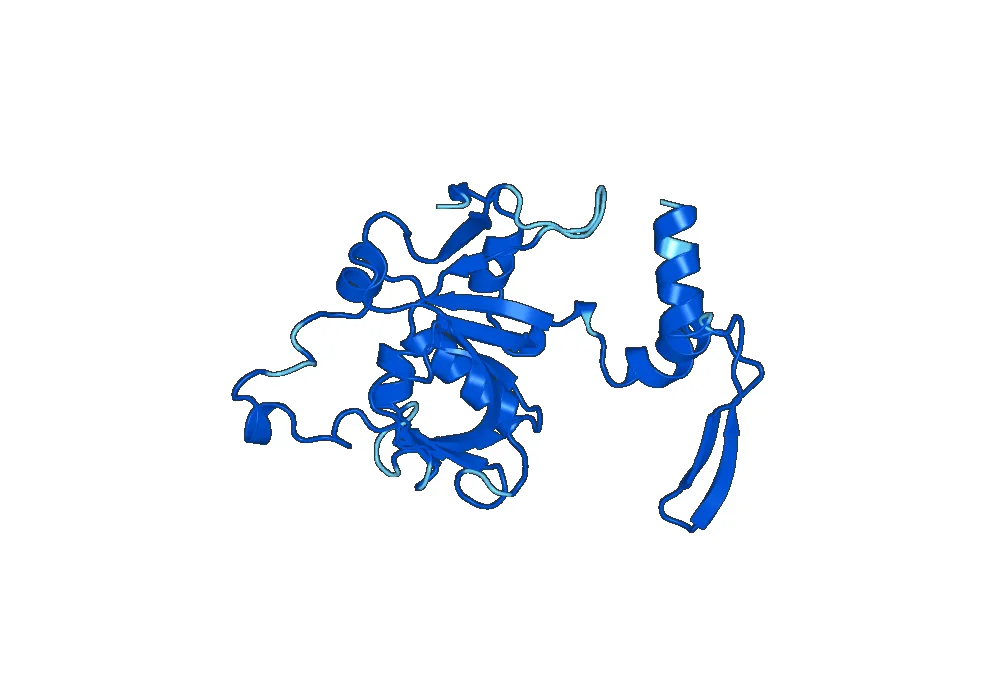
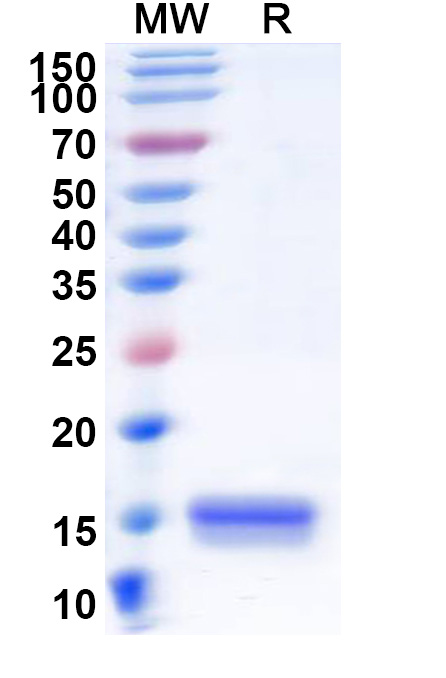
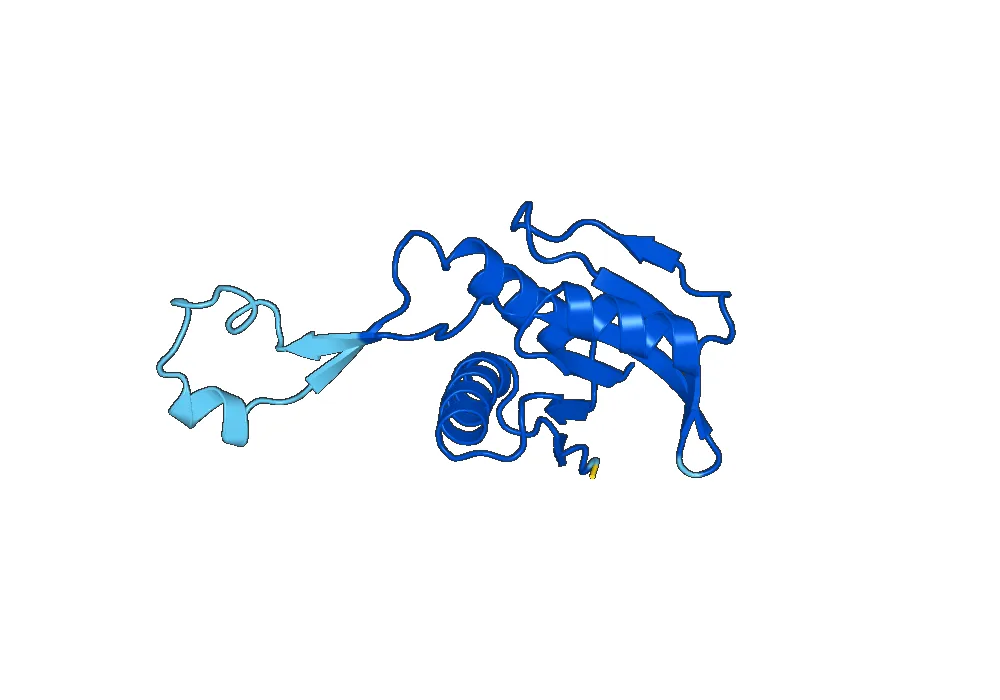
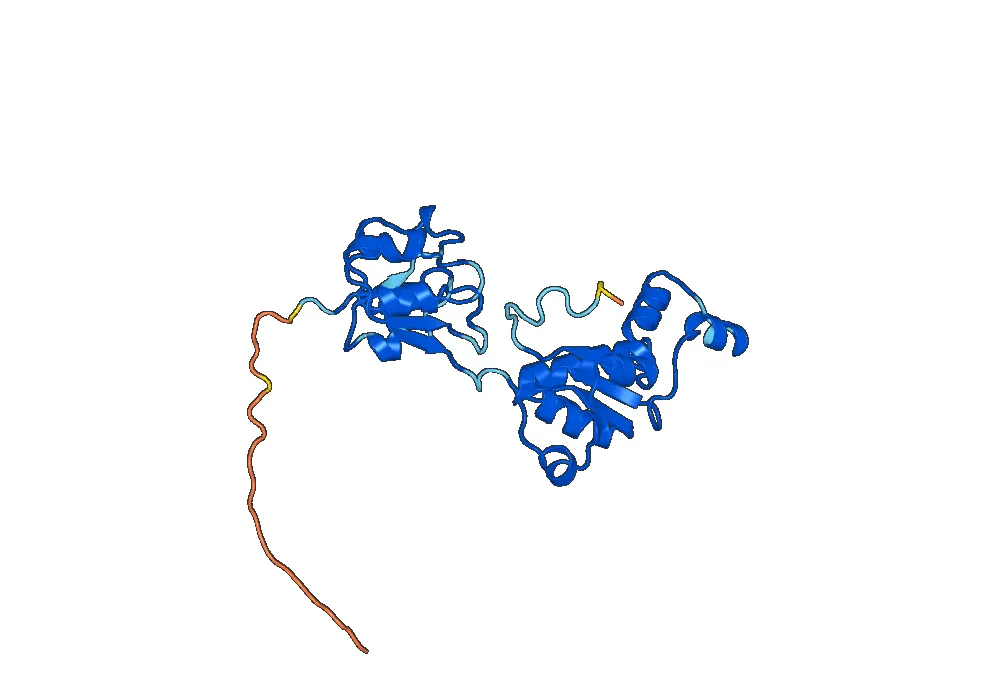
The human TMED9 protein, also known as Transmembrane Emp24 Domain-Containing Protein 9, is a member of the TMED family of proteins. It is a type I transmembrane protein with a molecular weight of approximately 24 kDa. The protein is composed of 211 amino acids and contains a conserved transmembrane domain at its C-terminus, which anchors the protein to the cell membrane. The N-terminus of TMED9 contains a coiled-coil domain, which is involved in protein-protein interactions.
Activity of Recombinant Human TMED9 Protein
The primary function of TMED9 is to act as a cargo receptor in the early secretory pathway. It is involved in the transport of newly synthesized proteins from the endoplasmic reticulum (ER) to the Golgi apparatus. TMED9 interacts with various other proteins, including the COPII coat complex, to facilitate the transport of cargo proteins. Additionally, TMED9 has been found to play a role in the maintenance of ER homeostasis and the regulation of ER stress response.
Application of Recombinant Human TMED9 Protein
Recombinant human TMED9 protein has numerous applications in both research and clinical settings. One of the primary uses of this protein is in the production of antibodies for diagnostic purposes. The unique structure of TMED9 makes it an ideal antigen for antibody production, as it can elicit a strong immune response in animals. These antibodies can then be used in various diagnostic assays, such as ELISA and Western blot, to detect the presence of TMED9 in biological samples.
Moreover, recombinant TMED9 protein has been used in studies to understand its role in protein trafficking and ER stress response. By overexpressing or silencing TMED9 in cells, researchers can investigate its impact on these processes and gain insights into its function. This information can be crucial in developing therapies for diseases related to protein trafficking and ER stress, such as cystic fibrosis and Alzheimer’s disease.
Another potential application of recombinant TMED9 protein is in the development of targeted drug delivery systems. As TMED9 is involved in the transport of cargo proteins, it can be utilized to deliver therapeutic molecules to specific cells or tissues. This approach can improve the efficacy and reduce the side effects of drugs.
Conclusion
In conclusion, recombinant human TMED9 protein is a versatile tool with a unique structure and diverse functions. Its role in protein trafficking and ER stress response makes it a valuable target for research and potential therapeutic applications. With ongoing studies and advancements in genetic engineering techniques, the use of recombinant TMED9 protein is expected to increase in the future.


There are no reviews yet.