Introduction
Recombinant Mouse CD102/ICAM2 Protein, also known as Intercellular Adhesion Molecule 2, is a transmembrane glycoprotein that plays a crucial role in cell adhesion and immune response. It is a member of the immunoglobulin superfamily and is encoded by the ICAM2 gene in mice. Recombinant Mouse CD102/ICAM2 Protein is widely used in various research studies and has potential applications in therapeutic development.
Structure of Recombinant Mouse CD102/ICAM2 Protein
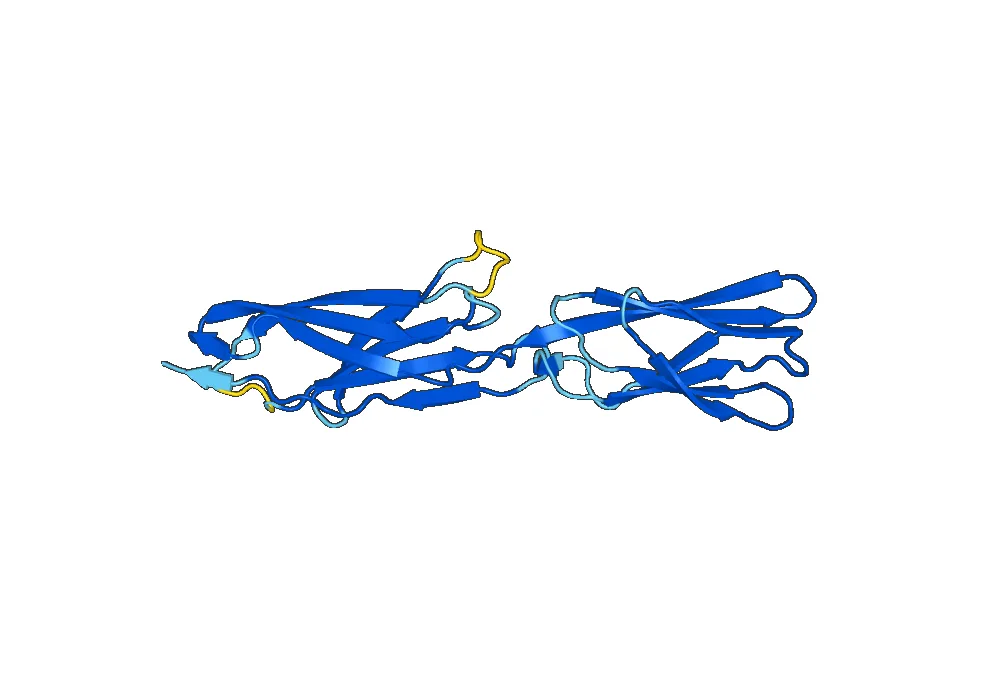
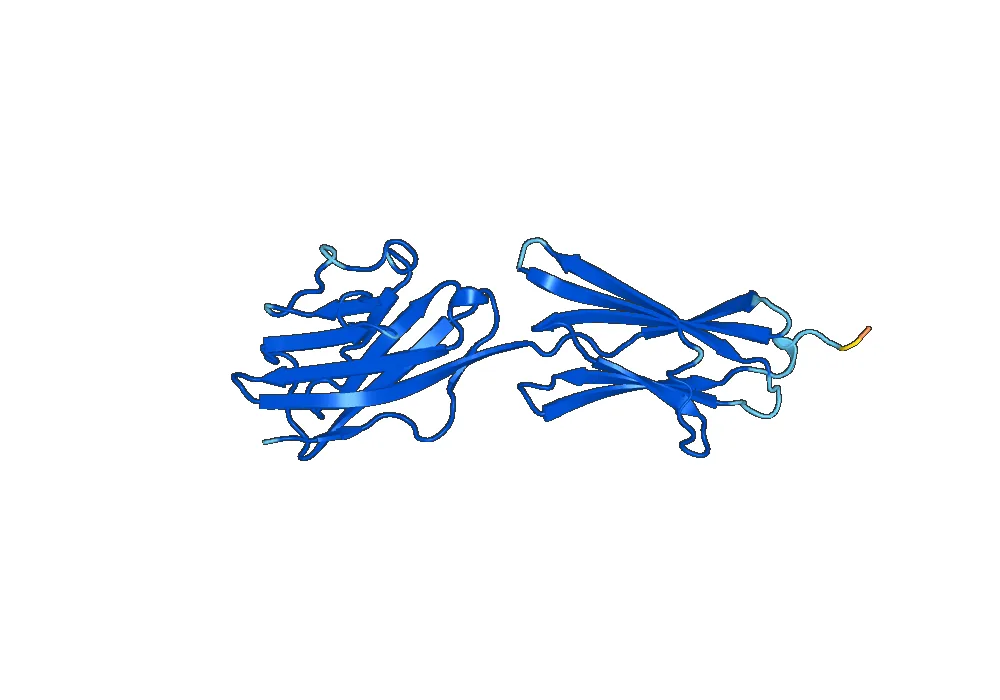
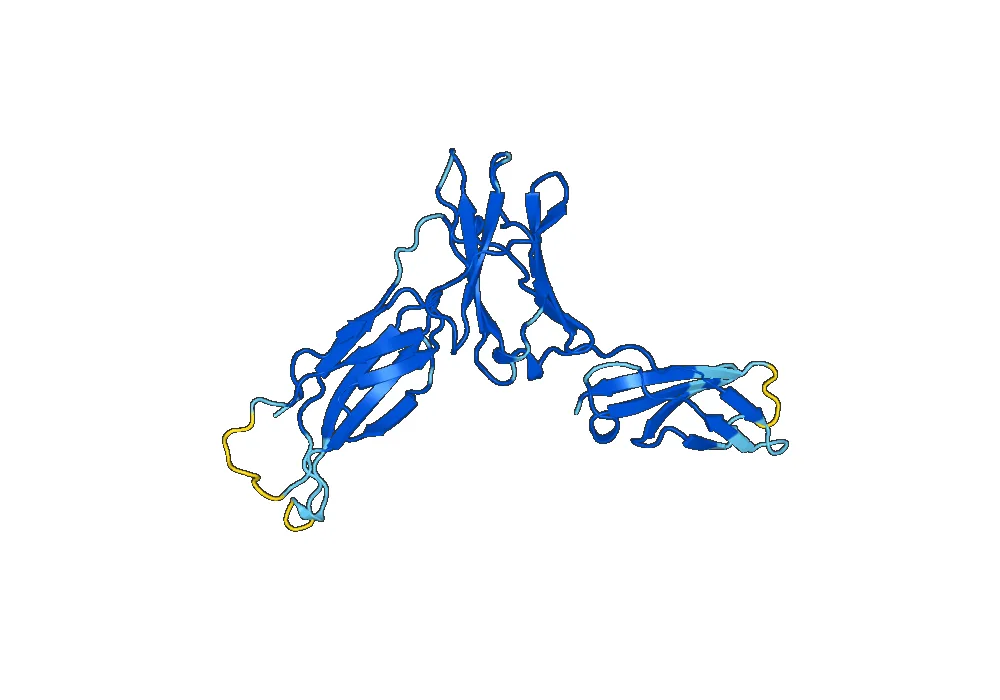
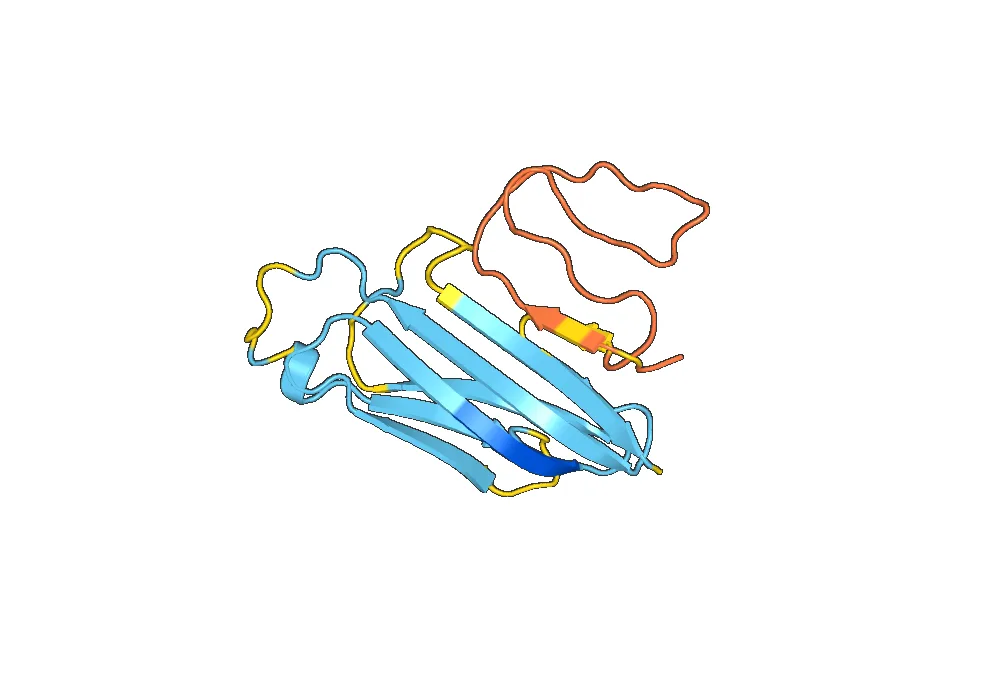
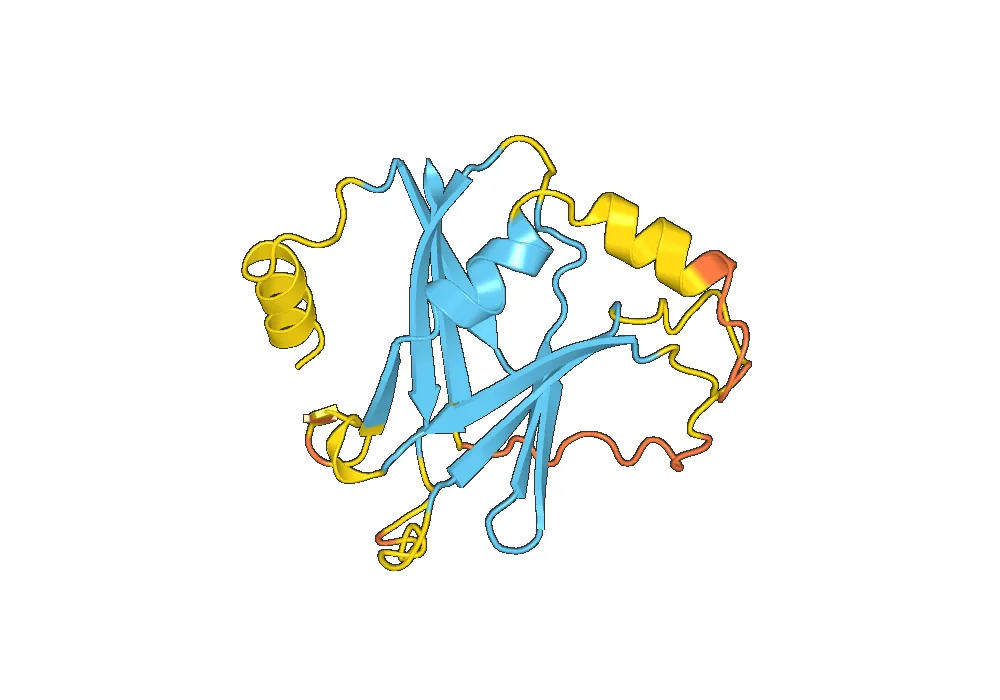
Recombinant Mouse CD102/ICAM2 Protein is a type I transmembrane protein with a molecular weight of approximately 55 kDa. It consists of five extracellular immunoglobulin-like domains, a transmembrane domain, and a short cytoplasmic tail. The extracellular domain of CD102 contains binding sites for its ligands, such as LFA-1 and Mac-1, which are important for cell adhesion and immune response.
Activity of Recombinant Mouse CD102/ICAM2 Protein
Recombinant Mouse CD102/ICAM2 Protein is primarily involved in cell adhesion and immune response. It is expressed on the surface of various cell types, including leukocytes, endothelial cells, and platelets. CD102 interacts with its ligands, LFA-1 and Mac-1, on the surface of other cells, facilitating cell-cell adhesion. This interaction is essential for leukocyte trafficking, immune response, and inflammation.
In addition to its role in cell adhesion, Recombinant Mouse CD102/ICAM2 Protein also plays a crucial role in leukocyte transmigration. It helps leukocytes to cross the endothelial barrier and enter the site of inflammation or infection. CD102 also modulates the activation and proliferation of leukocytes, contributing to the regulation of immune response.
Applications of Recombinant Mouse CD102/ICAM2 Protein
Recombinant Mouse CD102/ICAM2 Protein has a wide range of applications in scientific research. It is commonly used as an antigen in various studies to investigate its role in cell adhesion and immune response. It is also used as a tool to study the interactions between CD102 and its ligands, LFA-1 and Mac-1.
Moreover, Recombinant Mouse CD102/ICAM2 Protein has potential applications in therapeutic development. Due to its involvement in immune response and inflammation, it is being studied as a potential target for the treatment of various autoimmune and inflammatory diseases. Additionally, CD102 is also being explored as a potential biomarker for certain cancers, as its expression has been found to be altered in certain types of cancer.
Conclusion
In summary, Recombinant Mouse CD102/ICAM2 Protein is a transmembrane glycoprotein that plays a crucial role in cell adhesion and immune response. Its structure consists of five extracellular immunoglobulin-like domains, a transmembrane domain, and a cytoplasmic tail. CD102 is involved in leukocyte trafficking, immune response, and inflammation, and has potential applications in therapeutic development. Its wide range of applications makes it a valuable tool for scientific research in various fields.


There are no reviews yet.