Introduction to Recombinant Mouse CD351/FCAMR Protein
Recombinant Mouse CD351/FCAMR Protein, also known as Fc receptor-like A (FCAR), is a type I transmembrane protein that belongs to the Fc receptor family. It is encoded by the FCAR gene and is primarily expressed on the surface of immune cells, such as macrophages, dendritic cells, and B cells. This protein plays a crucial role in the regulation of immune responses and has been extensively studied for its potential therapeutic applications.
Structure of Recombinant Mouse CD351/FCAMR Protein
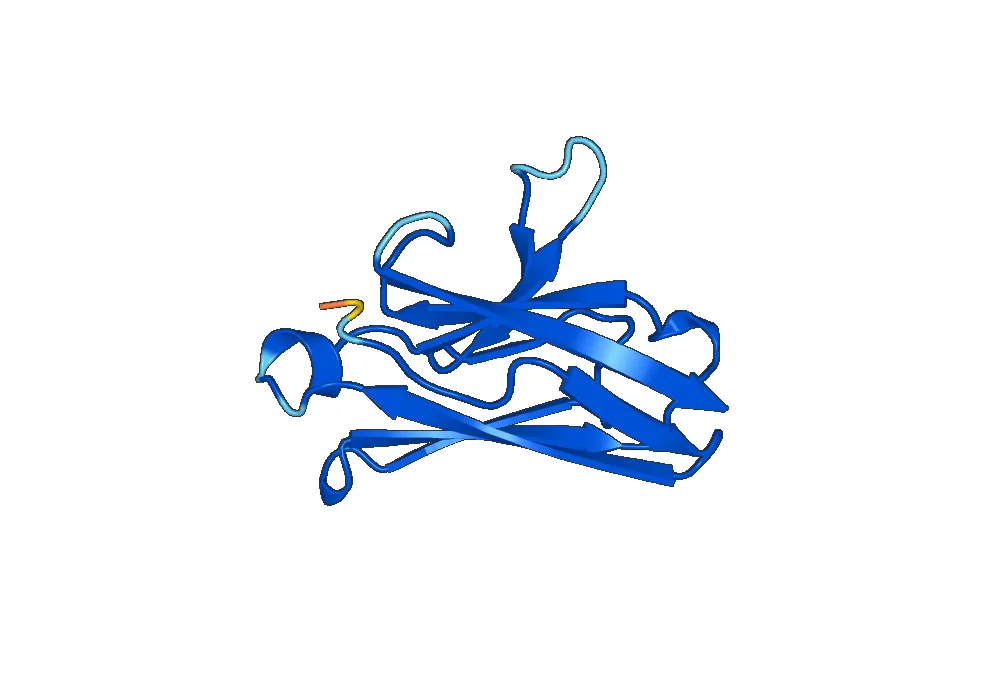
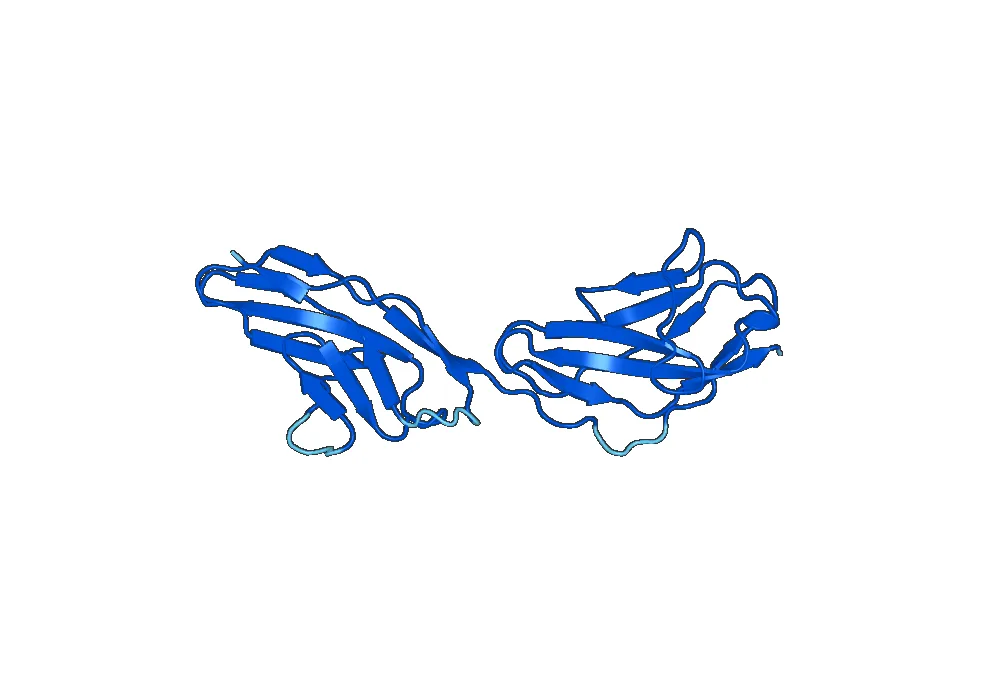
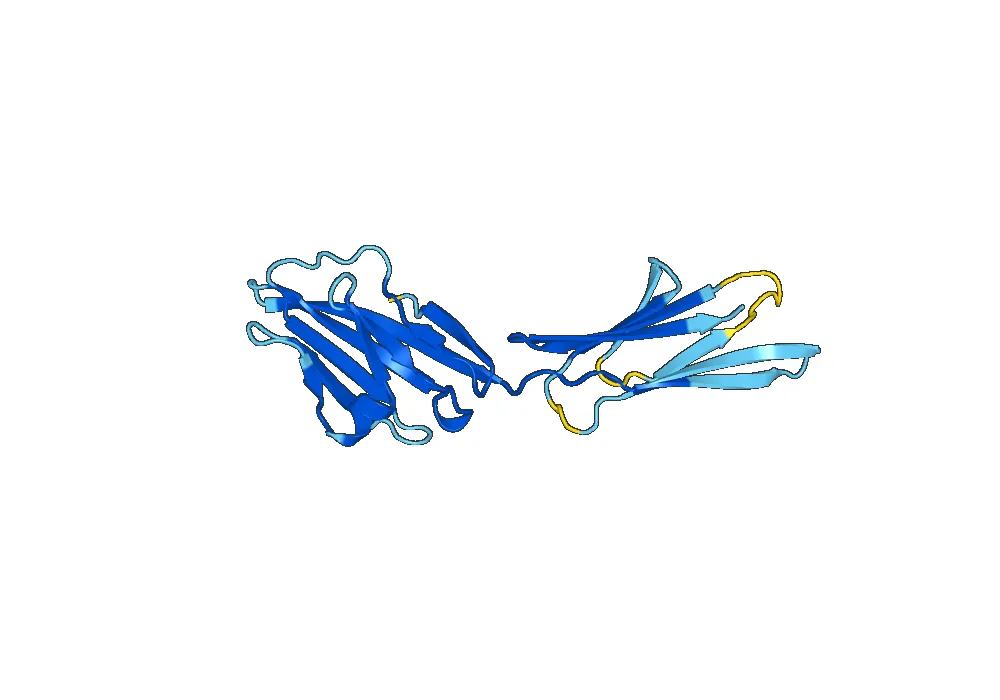
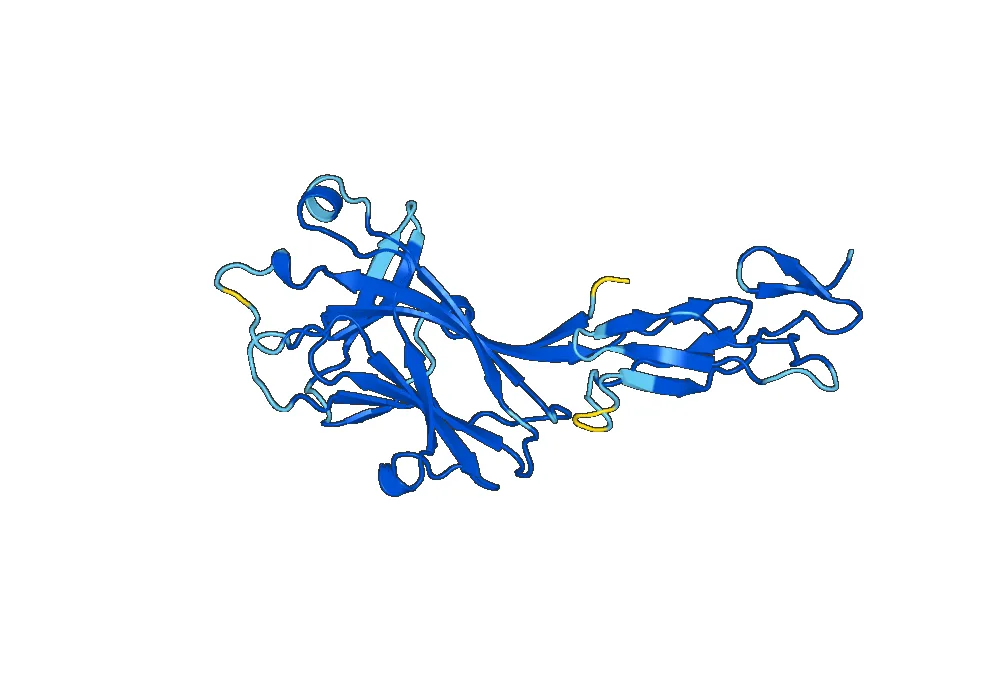
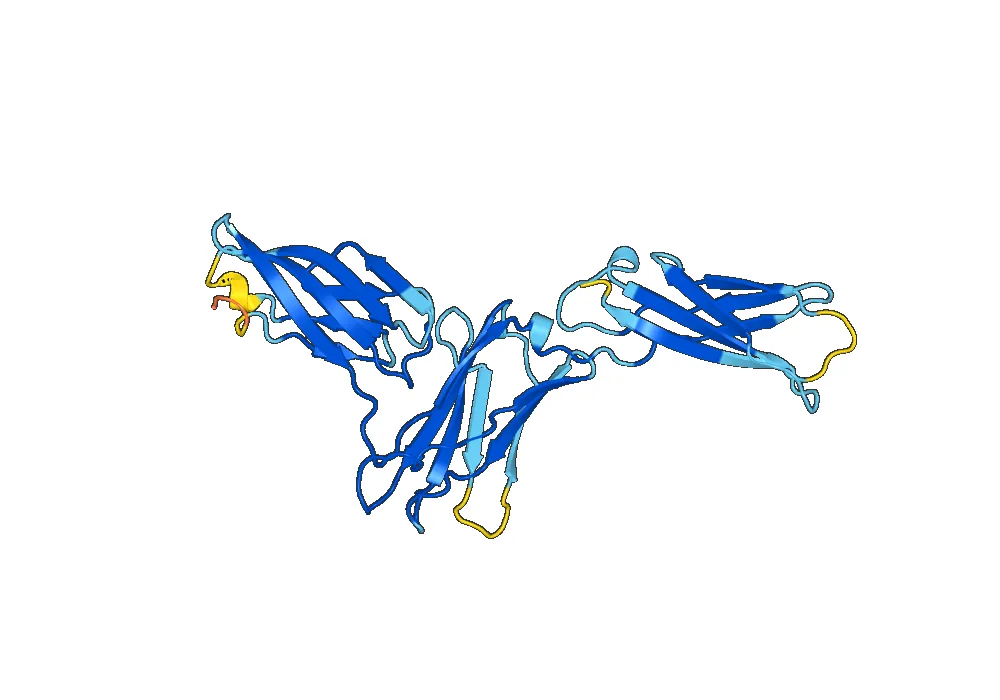
Recombinant Mouse CD351/FCAMR Protein is a 55 kDa glycoprotein that consists of a single extracellular domain, a transmembrane domain, and a cytoplasmic tail. The extracellular domain contains two immunoglobulin-like domains, IgV and IgC2, which are responsible for binding to immunoglobulin G (IgG) and other Fc-containing molecules. The transmembrane domain anchors the protein to the cell membrane, while the cytoplasmic tail contains signaling motifs that regulate the activity of the protein.
Activity of Recombinant Mouse CD351/FCAMR Protein
Recombinant Mouse CD351/FCAMR Protein acts as a receptor for IgG and other Fc-containing molecules, such as immune complexes and opsonized particles. Upon binding, it initiates a signaling cascade that leads to the activation of immune cells and the release of pro-inflammatory cytokines. This activity is crucial for the clearance of pathogens and the initiation of an effective immune response.
In addition to its role as an Fc receptor, Recombinant Mouse CD351/FCAMR Protein also functions as a co-stimulatory molecule for T cells. It interacts with the T cell receptor and enhances T cell activation, proliferation, and cytokine production. This activity is essential for the development of adaptive immune responses and the control of chronic infections.
Application of Recombinant Mouse CD351/FCAMR Protein
Recombinant Mouse CD351/FCAMR Protein has been extensively studied for its potential therapeutic applications. One of the most promising uses of this protein is in the treatment of autoimmune diseases. By modulating the activity of immune cells, Recombinant Mouse CD351/FCAMR Protein can potentially suppress the overactive immune response that is characteristic of autoimmune disorders. This has been demonstrated in preclinical studies using animal models of multiple sclerosis, rheumatoid arthritis, and lupus.
Another potential application of Recombinant Mouse CD351/FCAMR Protein is in cancer immunotherapy. By activating immune cells and promoting the release of pro-inflammatory cytokines, this protein can enhance the anti-tumor immune response and aid in the elimination of cancer cells. In fact, a recent study showed that targeting Recombinant Mouse CD351/FCAMR Protein in combination with other immunotherapies resulted in improved tumor control and increased survival in a mouse model of melanoma.
Furthermore, Recombinant Mouse CD351/FCAMR Protein has also been investigated for its role in infectious diseases. By enhancing the activity of immune cells, this protein can potentially aid in the clearance of pathogens and improve the efficacy of vaccines. In a study on influenza virus infection, it was found that Recombinant Mouse CD351/FCAMR Protein can enhance the production of virus-specific antibodies and improve the survival of infected mice.
In summary, Recombinant Mouse CD351/FCAMR Protein is a versatile protein with important roles in immune regulation, T cell co-stimulation, and potential therapeutic applications. Its ability to modulate immune responses makes it a promising target for the treatment of autoimmune diseases, cancer, and infectious diseases. Further research and clinical trials are needed to fully understand the potential of this protein and its application in various diseases.


There are no reviews yet.