Introduction
Recombinant mouse CD68 protein is a highly purified, bioactive protein that plays a crucial role in the immune system. It is a member of the lysosomal-associated membrane protein (LAMP) family and is primarily expressed on the surface of macrophages and monocytes. This protein is involved in various cellular processes, including antigen presentation, phagocytosis, and cytokine production. In this article, we will discuss the structure, activity, and applications of recombinant mouse CD68 protein.
Structure of Recombinant Mouse CD68 Protein
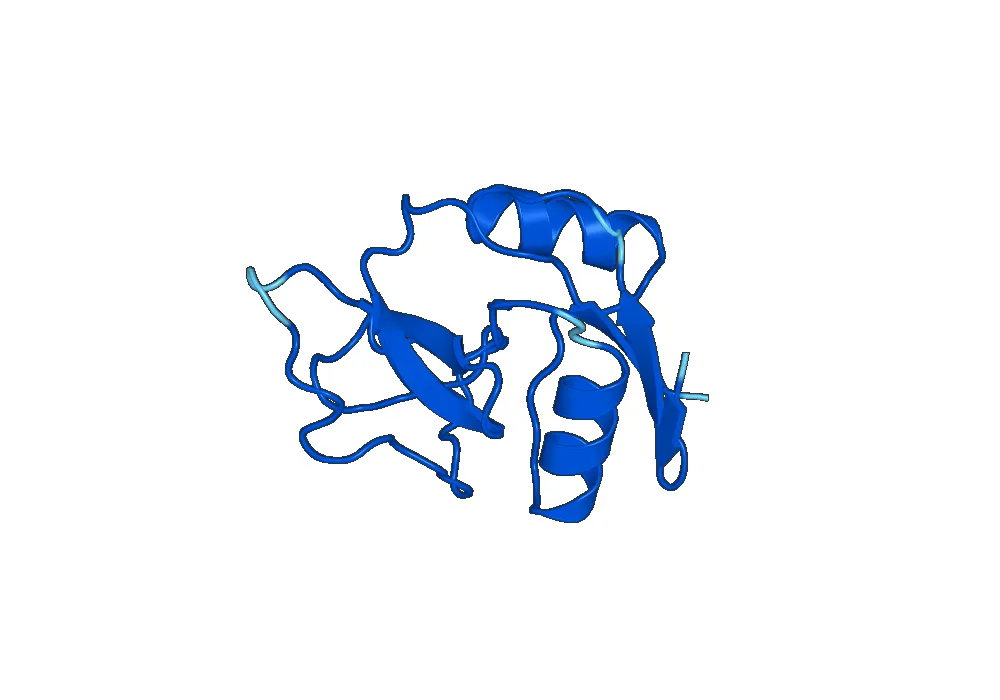
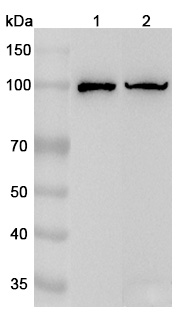
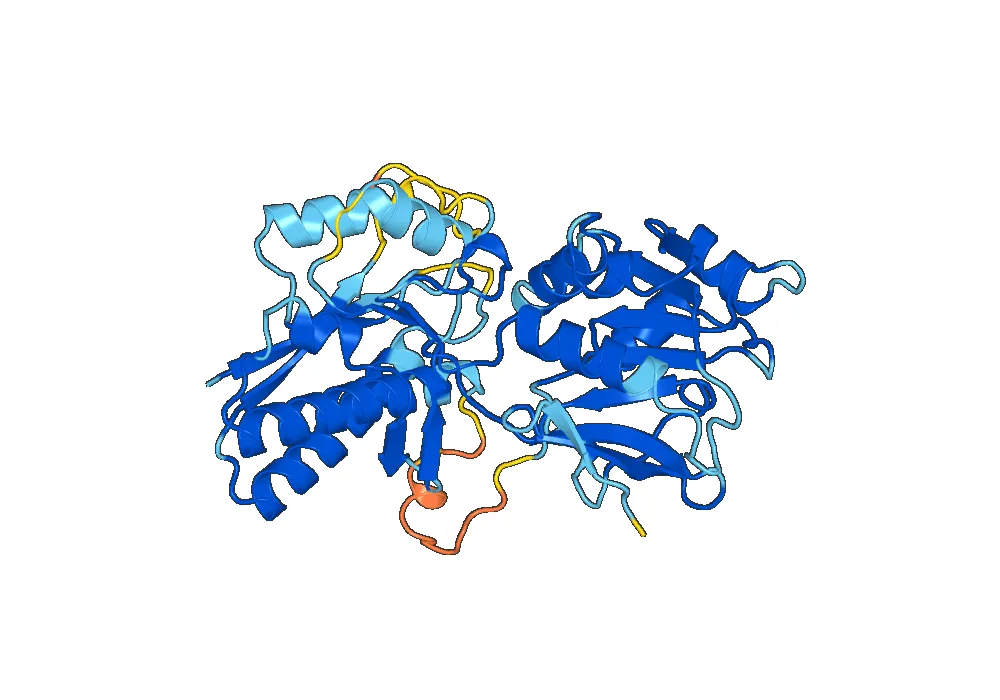
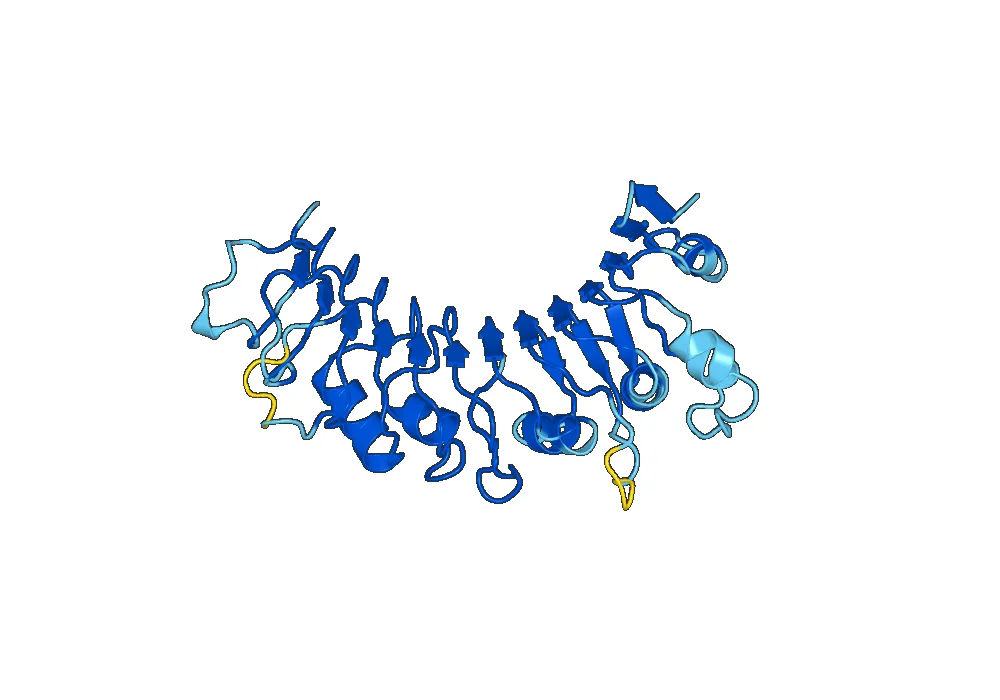
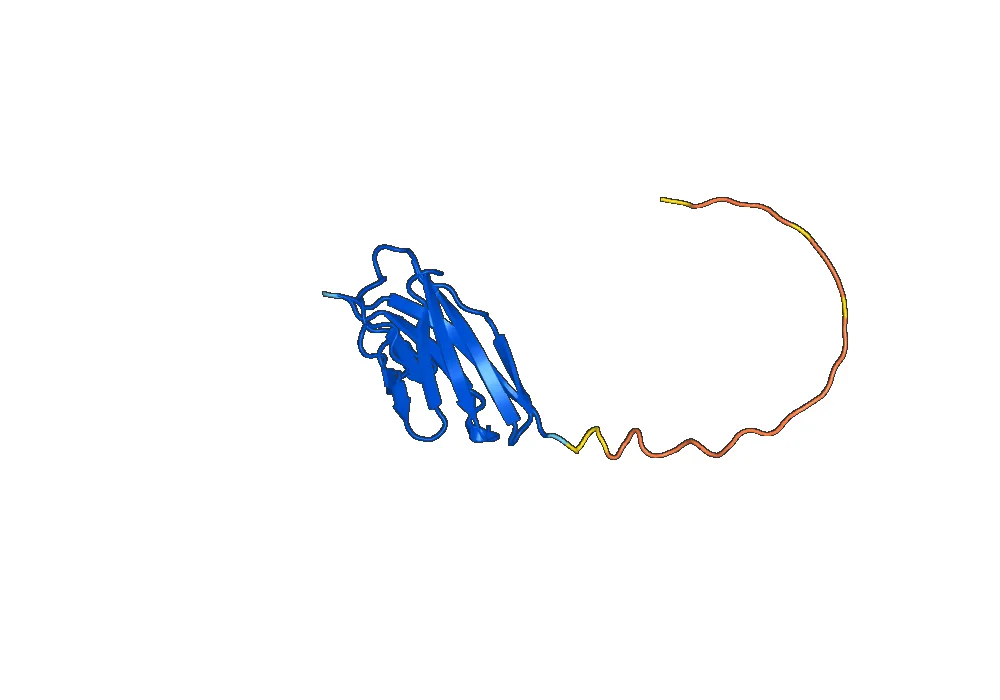
The recombinant mouse CD68 protein is a 37-40 kDa transmembrane glycoprotein consisting of 354 amino acids. It has a short cytoplasmic tail, a single transmembrane domain, and a large extracellular domain. The extracellular domain of CD68 contains multiple glycosylation sites, which are important for its stability and function. The protein also has a conserved cysteine-rich domain, which is involved in protein-protein interactions and is essential for its biological activity.
Activity of Recombinant Mouse CD68 Protein
Recombinant mouse CD68 protein is a key player in the immune response, particularly in the innate immune system. It is primarily expressed on the surface of macrophages and monocytes, where it acts as a scavenger receptor, binding to and internalizing a variety of ligands, including modified lipoproteins, bacteria, and apoptotic cells. This process, known as phagocytosis, is essential for the clearance of foreign particles and debris from the body.
Apart from its role in phagocytosis, recombinant mouse CD68 protein also plays a crucial role in antigen presentation. It is involved in the processing and presentation of antigens to T cells, which are essential for the activation of the adaptive immune response. CD68 acts as a co-stimulatory molecule, enhancing the activation and proliferation of T cells, and also regulates the production of cytokines, such as interleukin-1 and tumor necrosis factor-alpha.
Applications of Recombinant Mouse CD68 Protein
Recombinant mouse CD68 protein has a wide range of applications in both research and clinical settings. Its ability to bind and internalize a variety of ligands makes it a valuable tool for studying phagocytosis and the innate immune response. It is also commonly used as a marker for macrophages and monocytes in various cell isolation and characterization techniques.
In addition, recombinant mouse CD68 protein has been used in cancer research, as it is overexpressed in certain types of tumors, including breast, ovarian, and prostate cancer. It has also been implicated in the progression and metastasis of these cancers, making it a potential therapeutic target.
Furthermore, recombinant mouse CD68 protein has been used in the development of vaccines and immunotherapies. Its role in antigen presentation and T cell activation makes it a promising candidate for enhancing immune responses against various diseases, including infectious diseases and cancer.
Conclusion
In summary, recombinant mouse CD68 protein is a key player in the immune system, with multiple functions in phagocytosis, antigen presentation, and cytokine production. Its structure, consisting of a transmembrane domain and large extracellular domain with multiple glycosylation sites, is essential for its activity. This protein has a wide range of applications in research and clinical settings, making it a valuable tool for studying the immune response and developing therapies for various diseases.




There are no reviews yet.