Introduction
Recombinant Mouse FGL2 Protein, also known as Fibrinogen-like protein 2, is a highly versatile protein that plays a crucial role in various physiological processes. This protein is encoded by the FGL2 gene and is a member of the fibrinogen-like protein family. It is predominantly expressed in the liver, but can also be found in other tissues such as the spleen, lung, and kidney.
Structure of Recombinant Mouse FGL2 Protein
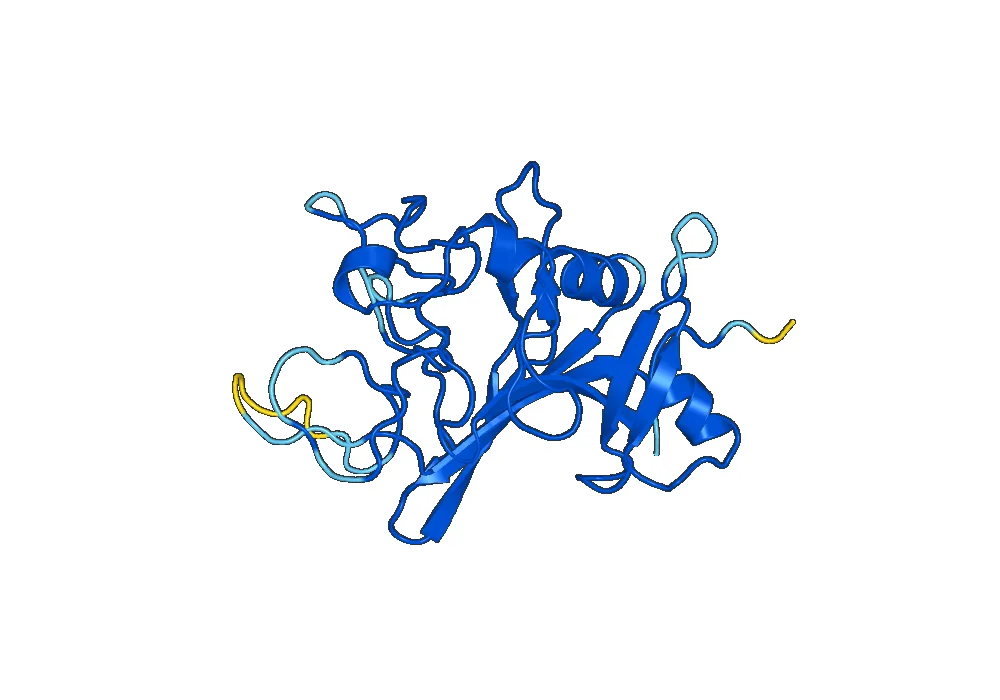
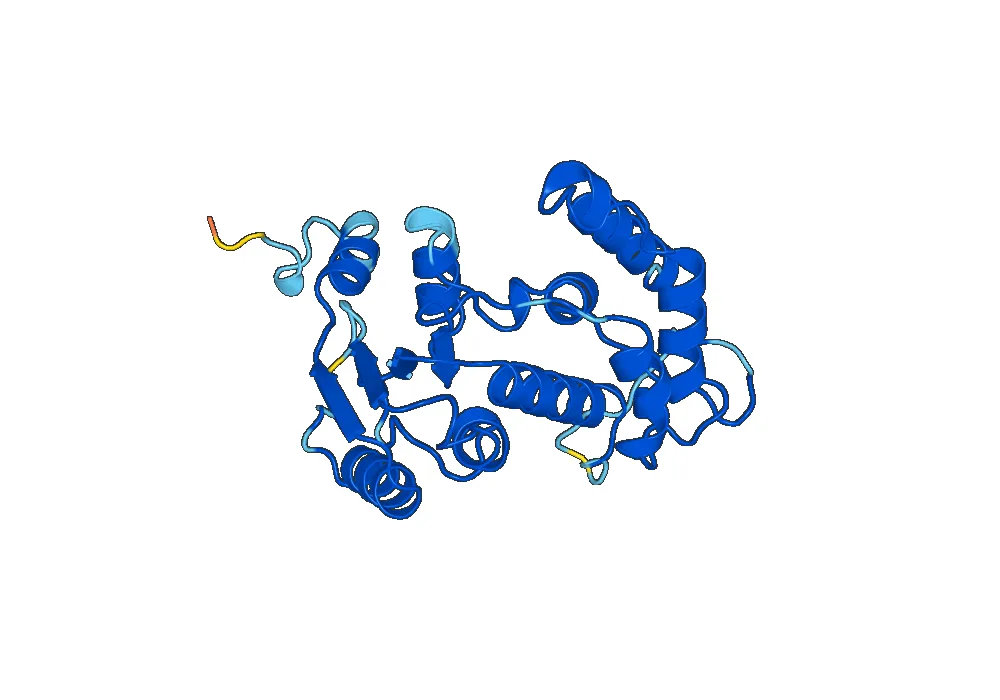
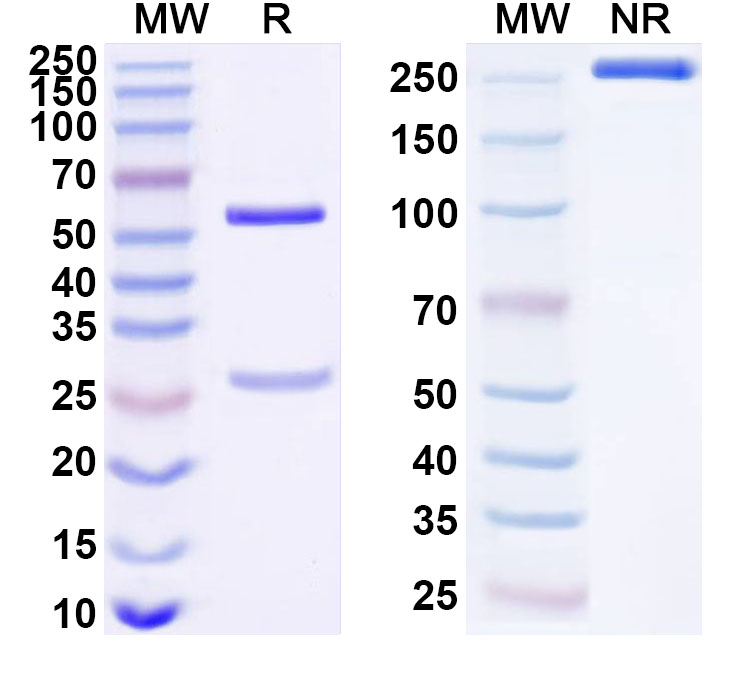
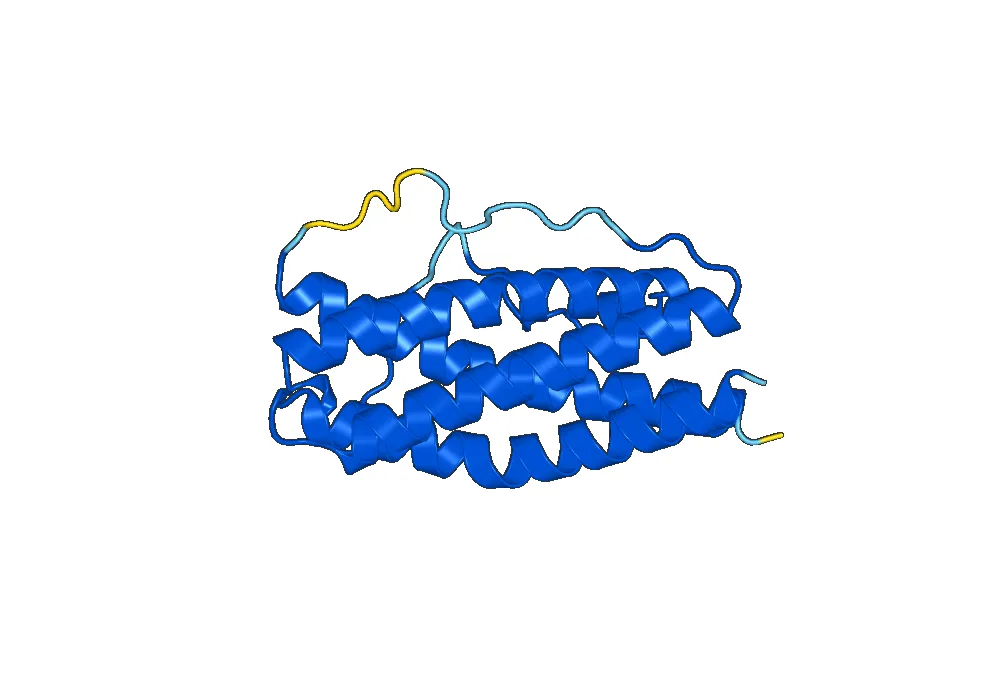
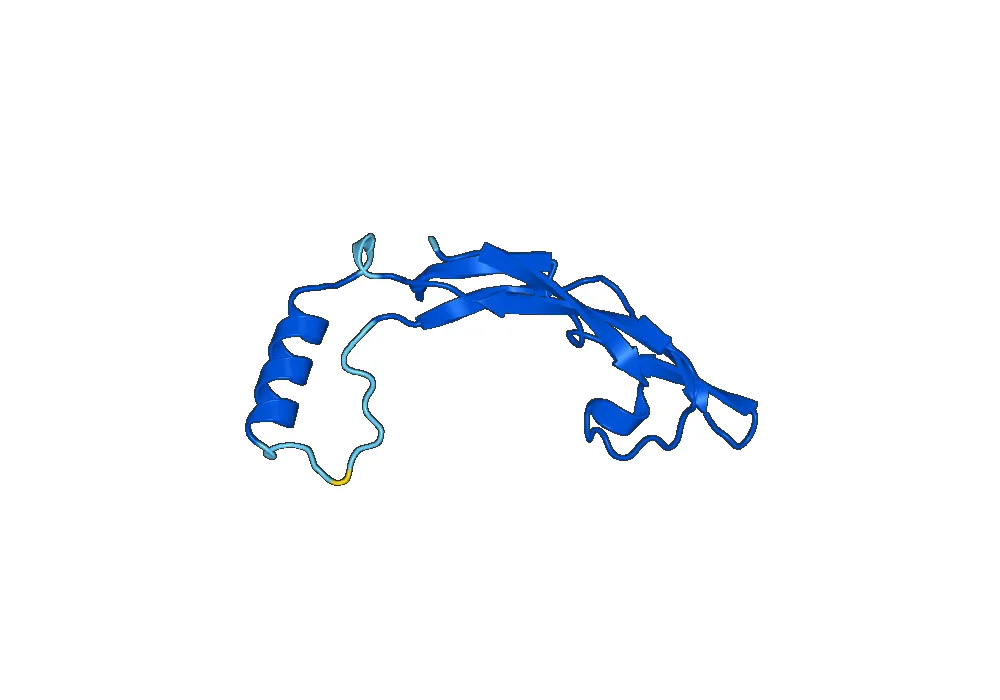
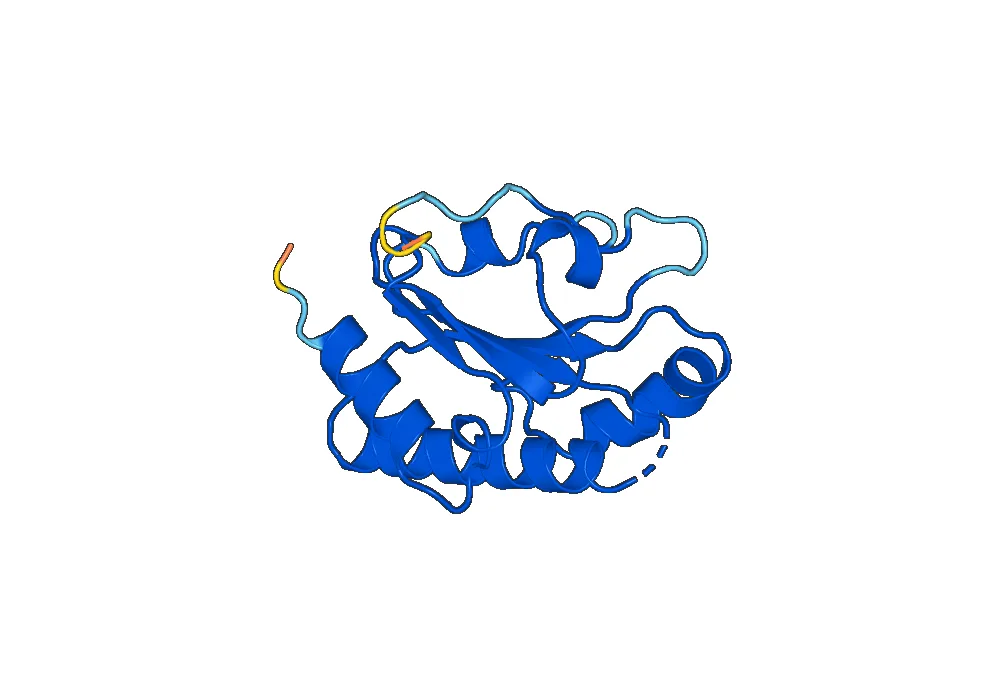
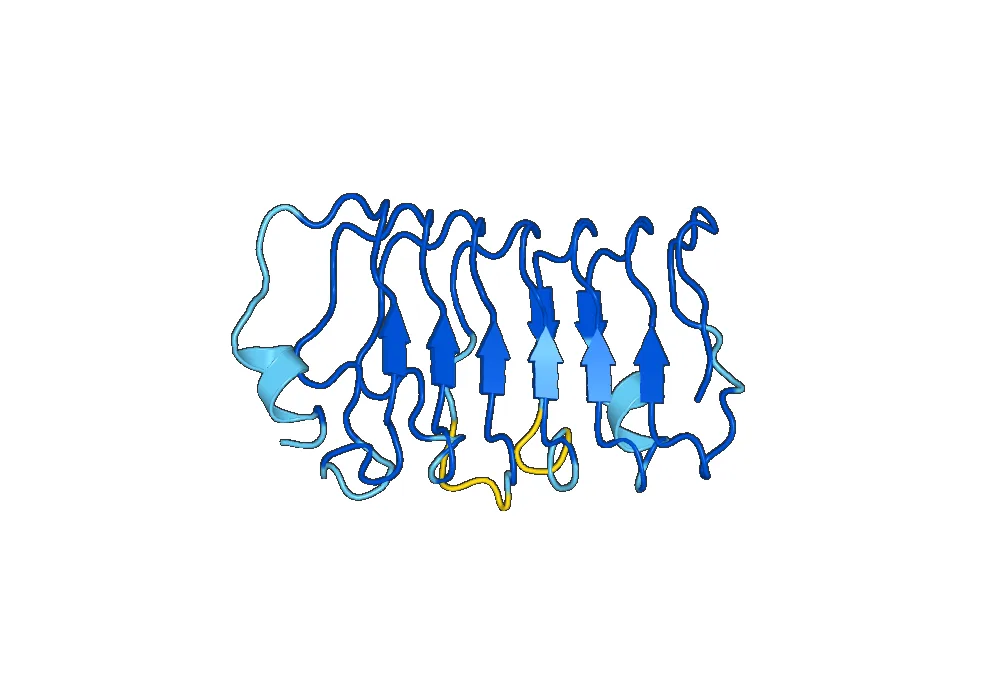
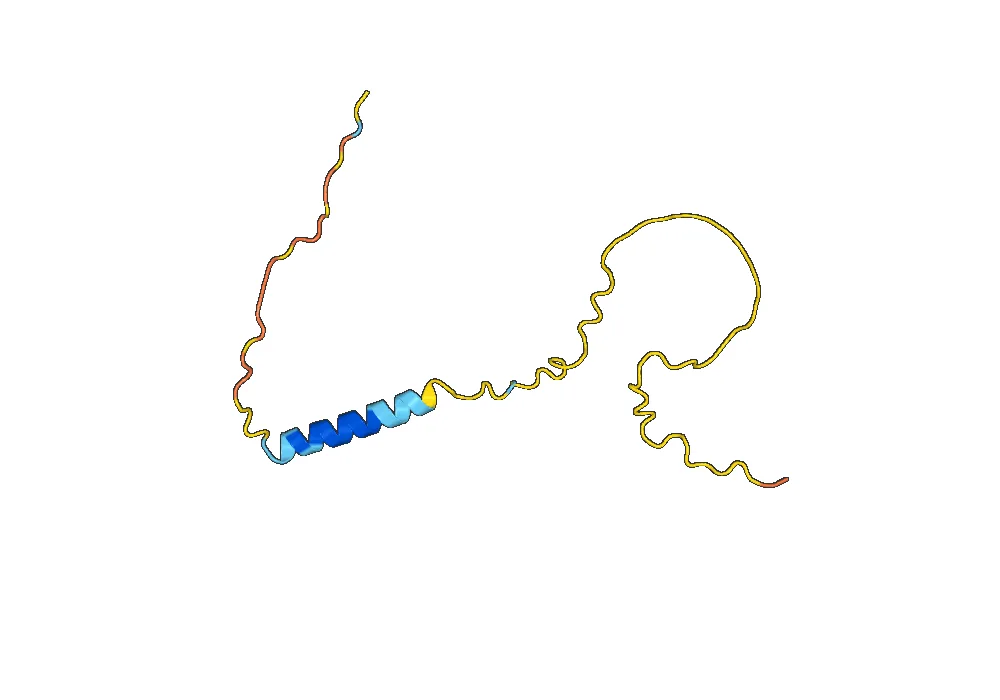
The recombinant form of FGL2 protein is produced by cloning and expressing the FGL2 gene in a suitable host cell. The resulting protein is a 50 kDa glycoprotein that consists of 453 amino acids. It contains a signal peptide at the N-terminus, followed by a fibrinogen-like domain, a thrombospondin type-1 repeat (TSR), and a C-terminal lectin-like domain. The fibrinogen-like domain is responsible for binding to fibrinogen and other proteins, while the TSR and lectin-like domain play a role in protein-protein interactions and immune regulation, respectively.
Activity of Recombinant Mouse FGL2 Protein
Recombinant Mouse FGL2 Protein has been shown to have multiple activities in various biological processes. One of its main functions is its ability to bind to fibrinogen, which is essential for blood clotting. This protein also has anti-thrombotic properties by inhibiting the activity of thrombin, a key enzyme involved in blood coagulation. In addition, FGL2 has been found to have immunomodulatory effects by regulating the activity of immune cells, such as T cells and natural killer cells. It can also induce apoptosis in certain types of cancer cells, making it a potential therapeutic agent for cancer treatment.
Application of Recombinant Mouse FGL2 Protein
The diverse activities of Recombinant Mouse FGL2 Protein make it a valuable tool in various research areas. One of its main applications is in the study of blood coagulation and thrombosis, as it is involved in the formation and dissolution of blood clots. This protein has also been studied in the context of autoimmune diseases, as it has been found to play a role in regulating the immune response. Recombinant Mouse FGL2 Protein has also been investigated for its potential use in cancer therapy, as its ability to induce apoptosis in cancer cells has shown promising results in pre-clinical studies.
Conclusion
In summary, Recombinant Mouse FGL2 Protein is a multifunctional protein that plays a crucial role in various physiological processes. Its structure, activity, and applications make it a valuable tool for research in areas such as blood coagulation, immune regulation, and cancer therapy. Further studies on this protein may lead to a better understanding of its functions and potential therapeutic uses.
Keywords
Recombinant protein, antigen, FGL2, fibrinogen-like protein, thrombosis, immune regulation, cancer therapy.

There are no reviews yet.