Introduction
Recombinant Yersinia enterocolitica ail/Attachment invasion locus Protein (rAil) is a highly conserved surface protein found in Yersinia enterocolitica, a pathogenic bacteria responsible for causing gastrointestinal infections in humans. This protein plays a crucial role in the attachment and invasion of the bacteria into the host’s cells, making it a potential target for vaccine development and therapeutic interventions.
Structure of rAil
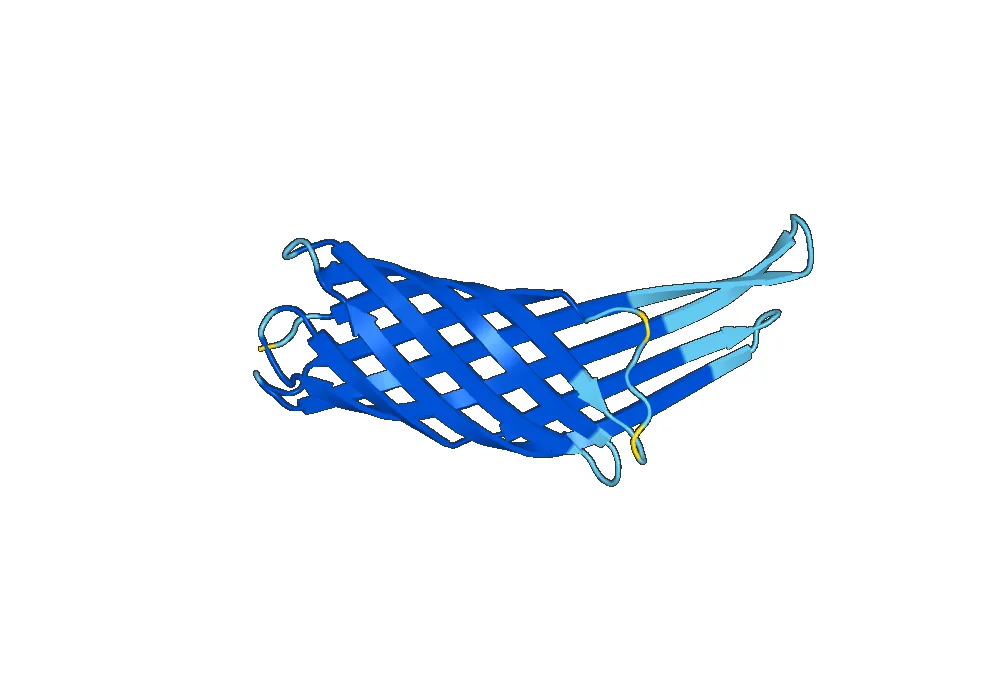
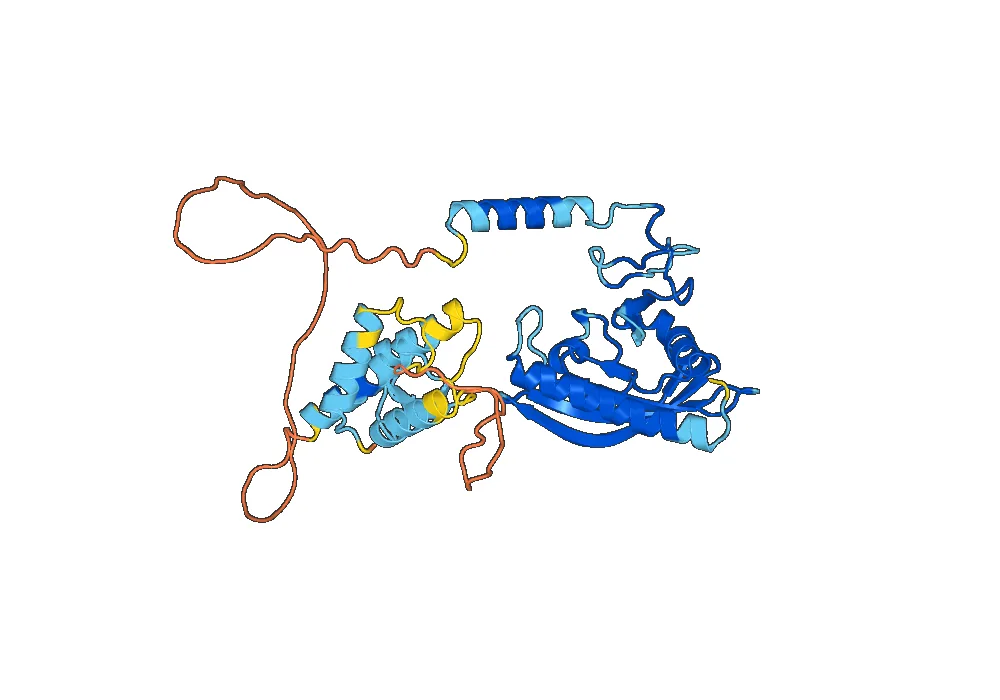
rAil is a 17 kDa protein, composed of 153 amino acids, and is encoded by the ail gene located on the bacterial chromosome. The protein consists of a single polypeptide chain with a signal peptide at the N-terminus, followed by a short hydrophobic region and a variable region containing the antigenic epitopes. The C-terminus of rAil contains a conserved domain responsible for its adhesive and invasive properties.
Activity of rAil
rAil is a multifunctional protein that plays a crucial role in the pathogenesis of Yersinia enterocolitica. It acts as an adhesin, allowing the bacteria to attach to the host’s intestinal epithelial cells. It also functions as an invasin, facilitating the invasion of the bacteria into the host’s cells. This protein has been shown to interact with various host cell receptors, including fibronectin, laminin, and integrin, to mediate its adhesive and invasive activities.
Moreover, rAil also has immunomodulatory properties, as it can inhibit the host’s immune response by suppressing the production of pro-inflammatory cytokines and chemokines. This allows the bacteria to evade the host’s immune system and establish a successful infection.
Application of rAil
The unique structure and activity of rAil make it an attractive candidate for various applications, including vaccine development and therapeutic interventions.
Vaccine development
rAil has been extensively studied as a potential vaccine candidate against Yersinia enterocolitica infections. Its ability to elicit a strong immune response and its role in the pathogenesis of the bacteria make it an ideal target for vaccine development. Several studies have shown that immunization with rAil can induce protective immunity against Yersinia enterocolitica infections in animal models. Furthermore, rAil has been successfully used as a carrier protein to deliver other antigens, enhancing their immunogenicity and efficacy as vaccines.
Therapeutic interventions
rAil has also shown promising results as a potential therapeutic target for the treatment of Yersinia enterocolitica infections. Antibodies targeting rAil have been shown to inhibit the attachment and invasion of the bacteria into host cells, thereby reducing the severity of the infection. Moreover, rAil-specific antibodies have been used in combination with antibiotics to enhance their efficacy and reduce the development of antibiotic resistance.
Conclusion
In conclusion, rAil is a crucial protein in the pathogenesis of Yersinia enterocolitica infections. Its unique structure and multifunctional activity make it a potential target for vaccine development and therapeutic interventions. Further research on this protein and its interactions with host cells could lead to the development of effective strategies for the prevention and treatment of Yersinia enterocolitica infections.

There are no reviews yet.