Introduction to Regavirumab Biosimilar – Anti-HCMV mAb
Regavirumab Biosimilar – Anti-HCMV mAb is a research grade monoclonal antibody that targets human cytomegalovirus (HCMV), a common viral infection that can lead to serious complications in immunocompromised individuals. This biosimilar is a promising therapeutic option for the treatment of HCMV infections, and its unique structure and activity make it a valuable tool for scientific research.
Structure of Regavirumab Biosimilar – Anti-HCMV mAb
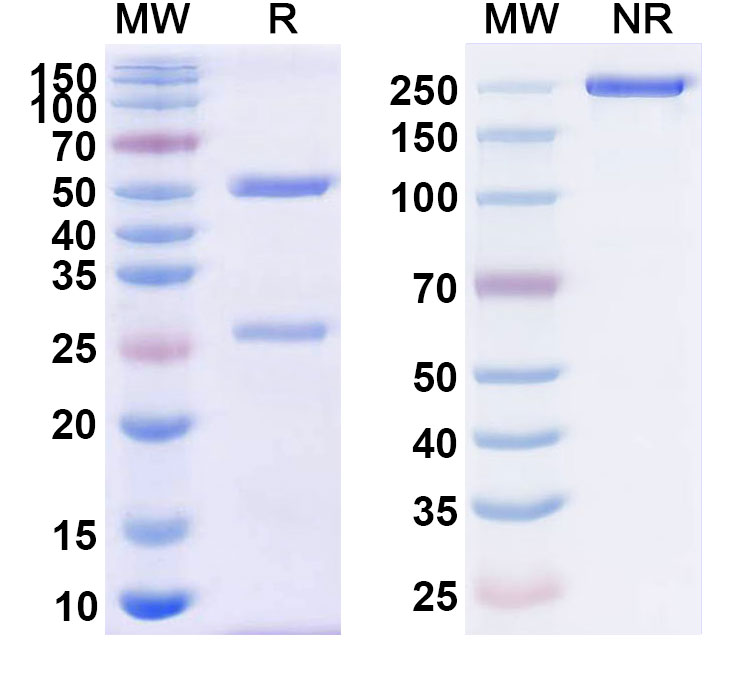
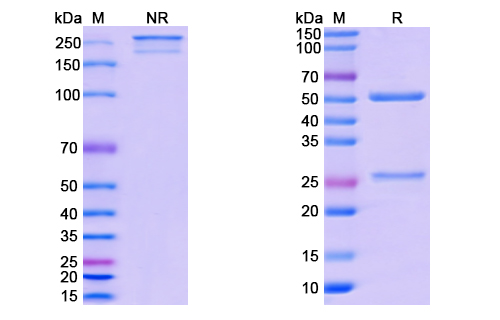
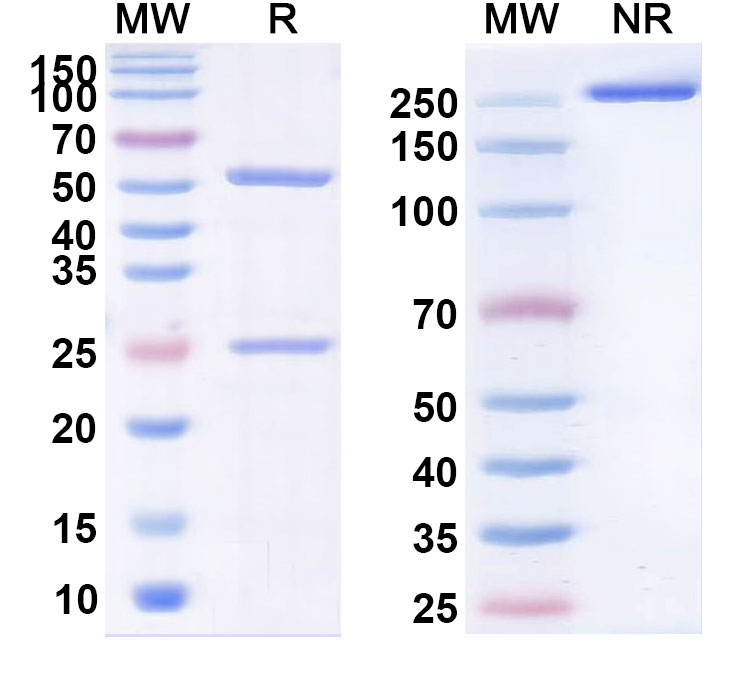
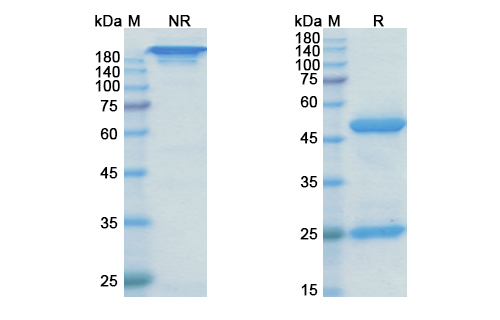
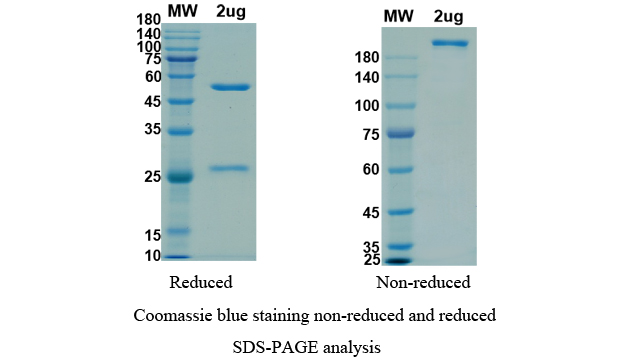
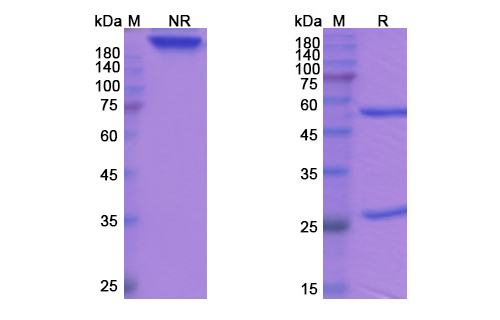
Regavirumab Biosimilar – Anti-HCMV mAb is a monoclonal antibody that is designed to mimic the structure of the human immune system’s natural antibodies. It is composed of two heavy chains and two light chains, which are linked together by disulfide bonds. The antibody also contains a variable region that specifically targets the HCMV glycoprotein B, a key protein involved in viral entry and infection.
Mechanism of Action
Regavirumab Biosimilar – Anti-HCMV mAb works by binding to the HCMV glycoprotein B, preventing the virus from entering and infecting host cells. This inhibitory effect is achieved through the antibody’s ability to block the interaction between the viral protein and its cellular receptor. By neutralizing the virus, Regavirumab Biosimilar – Anti-HCMV mAb can prevent the spread of infection and reduce the severity of symptoms.
Title: Applications of Regavirumab Biosimilar – Anti-HCMV mAb
Regavirumab Biosimilar – Anti-HCMV mAb has several potential applications in the field of scientific research. Its ability to specifically target the HCMV glycoprotein B makes it a valuable tool for studying the mechanisms of viral entry and infection. It can also be used to screen for potential antiviral drugs that may block the interaction between the virus and its receptor.
Title: Therapeutic Potential of Regavirumab Biosimilar – Anti-HCMV mAb
In addition to its research applications, Regavirumab Biosimilar – Anti-HCMV mAb has great potential as a therapeutic option for the treatment of HCMV infections. Its high specificity and inhibitory activity make it a promising candidate for the development of a targeted therapy against this common viral infection. Clinical trials are currently underway to evaluate its safety and efficacy in treating HCMV infections in immunocompromised patients.
Advantages of Using a Biosimilar
One of the main advantages of using a biosimilar, such as Regavirumab Biosimilar – Anti-HCMV mAb, is its cost-effectiveness compared to traditional biologic drugs. Biosimilars are produced using similar processes and technologies as their reference products, but at a lower cost. This makes them more accessible to patients and healthcare systems, particularly in developing countries.
Conclusion
In summary, Regavirumab Biosimilar – Anti-HCMV mAb is a research grade monoclonal antibody that specifically targets the HCMV glycoprotein B. Its unique structure and mechanism of action make it a valuable tool for studying the virus and its potential as a therapeutic option for HCMV infections. Its cost-effectiveness as a biosimilar also adds to its potential as a widely accessible treatment option. Further research and clinical trials will continue to explore the full potential of this promising antibody.
There are no reviews yet.