Introduction
Relatlimab Biosimilar, also known as Anti-LAG3, CD223 mAb, is a promising antibody that has gained attention in the field of cancer immunotherapy. This biosimilar is a monoclonal antibody that targets Lymphocyte activation gene 3 (LAG3), a protein found on the surface of immune cells. In this article, we will explore the structure, activity, and potential applications of Relatlimab Biosimilar in cancer research.
Structure of Relatlimab Biosimilar
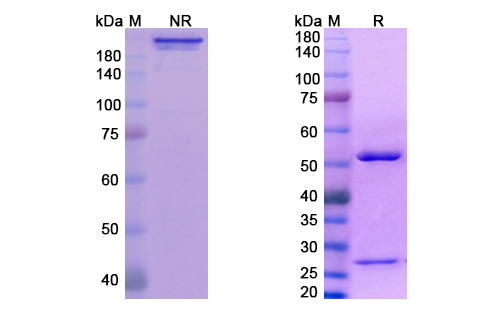
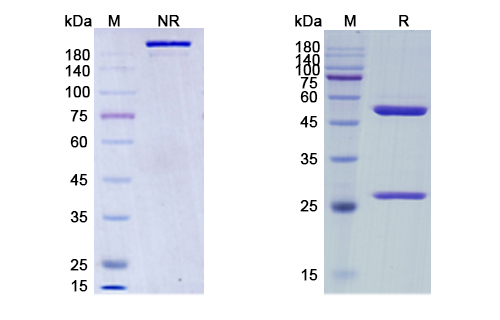
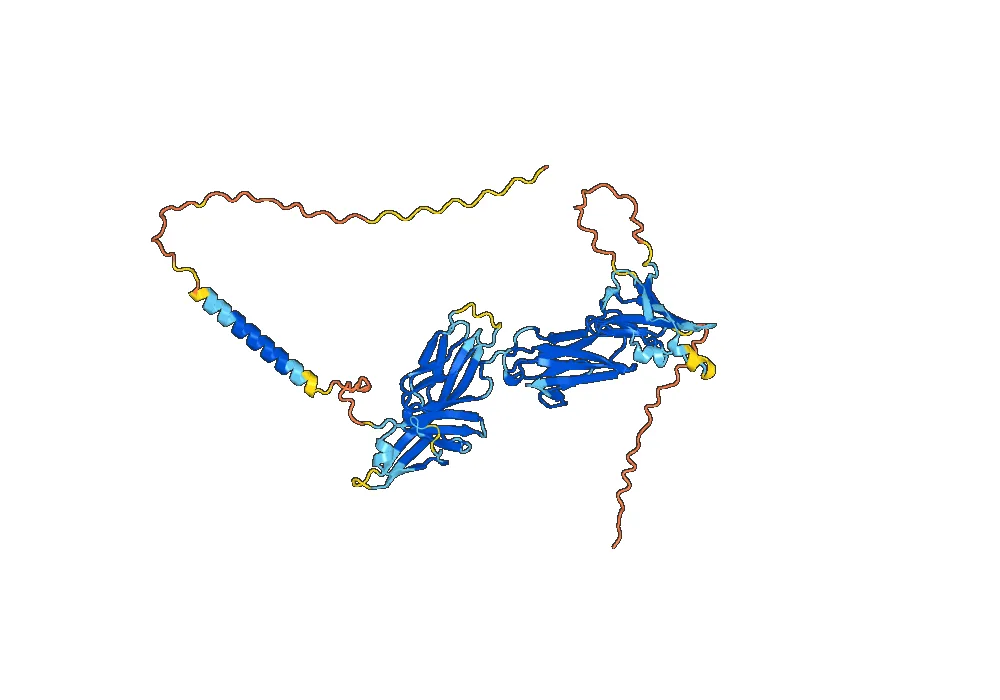
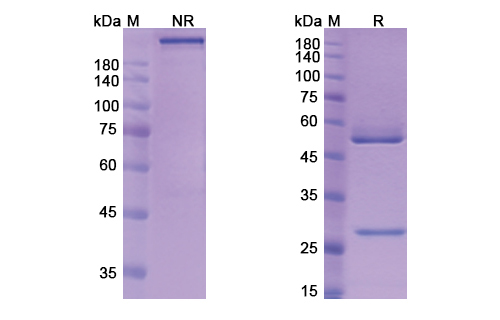
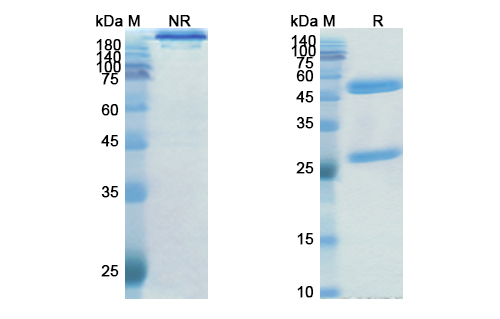
Relatlimab Biosimilar is a recombinant humanized monoclonal antibody that is designed to mimic the structure of the original antibody, Relatlimab. It is composed of two heavy chains and two light chains, connected by disulfide bonds. The heavy and light chains are made up of amino acid sequences that are carefully selected to specifically bind to LAG3 on immune cells.
Activity of Relatlimab Biosimilar
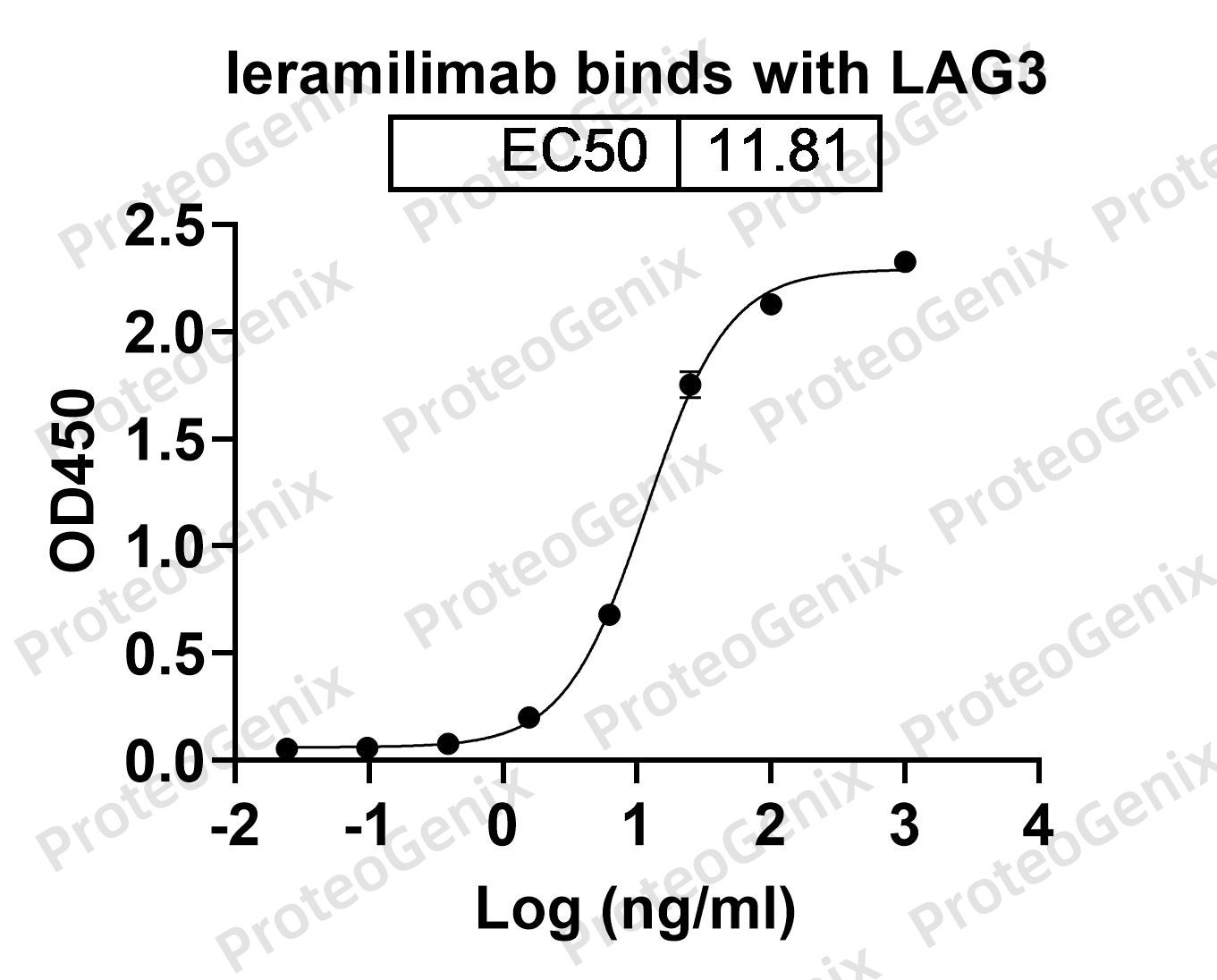
Relatlimab Biosimilar works by blocking the activity of LAG3, a protein that is known to suppress immune responses. LAG3 is expressed on the surface of T cells, B cells, and natural killer cells, and plays a crucial role in regulating immune responses. When LAG3 binds to its ligand, it inhibits the activation and proliferation of immune cells, thus suppressing the immune response. In cancer, LAG3 is often overexpressed, leading to immune evasion and tumor growth. Relatlimab Biosimilar binds to LAG3, preventing its interaction with its ligand and allowing immune cells to be activated and attack cancer cells.
Potential Applications of Relatlimab Biosimilar
Relatlimab Biosimilar has shown promising results in preclinical and clinical studies as a potential treatment for various types of cancer. It has been shown to enhance the activity of other immunotherapies, such as anti-PD-1 antibodies, and has shown efficacy in both solid tumors and hematologic malignancies.
1. Treatment of Melanoma
Melanoma is a type of skin
cancer that is known to be resistant to conventional treatments. In a phase I/II clinical trial, Relatlimab Biosimilar showed promising results as a monotherapy in patients with advanced melanoma. It was well-tolerated and showed antitumor activity, with some patients experiencing complete or partial responses.
2. Combination Therapy for Solid Tumors Relatlimab Biosimilar has also shown potential as a combination therapy with other immunotherapies in solid tumors. In a phase I/II clinical trial, Relatlimab Biosimilar in combination with anti-PD-1 antibody, Nivolumab, showed promising results in patients with advanced non-small cell lung cancer. The combination therapy was well-tolerated and showed improved efficacy compared to Nivolumab alone.
3. Treatment of Hematologic Malignancies Relatlimab Biosimilar has also shown potential in the treatment of hematologic malignancies, such as lymphoma and leukemia. In a phase I clinical trial, Relatlimab Biosimilar showed promising results in patients with relapsed or refractory lymphoma. It was well-tolerated and showed antitumor activity, with some patients experiencing complete or partial responses.
Conclusion
In conclusion, Relatlimab Biosimilar is a promising antibody that targets LAG3, a protein involved in immune suppression. Its unique structure and activity make it a potential treatment for various types of cancer. It has shown promising results in preclinical and clinical studies, and further research is needed to fully understand its potential in cancer treatment. Relatlimab Biosimilar has the potential to improve the outcomes of cancer patients and bring us closer to achieving effective cancer immunotherapy.

There are no reviews yet.