Introduction
Ruplizumab Biosimilar is a therapeutic antibody that targets the CD40 ligand (CD40LG), a protein involved in immune system regulation. This biosimilar is a research grade version of the original Ruplizumab, which has been developed to mimic the structure and function of the original antibody. In this article, we will discuss the structure, activity, and potential applications of Ruplizumab Biosimilar, highlighting its potential as a therapeutic agent for various diseases.
Structure of Ruplizumab Biosimilar
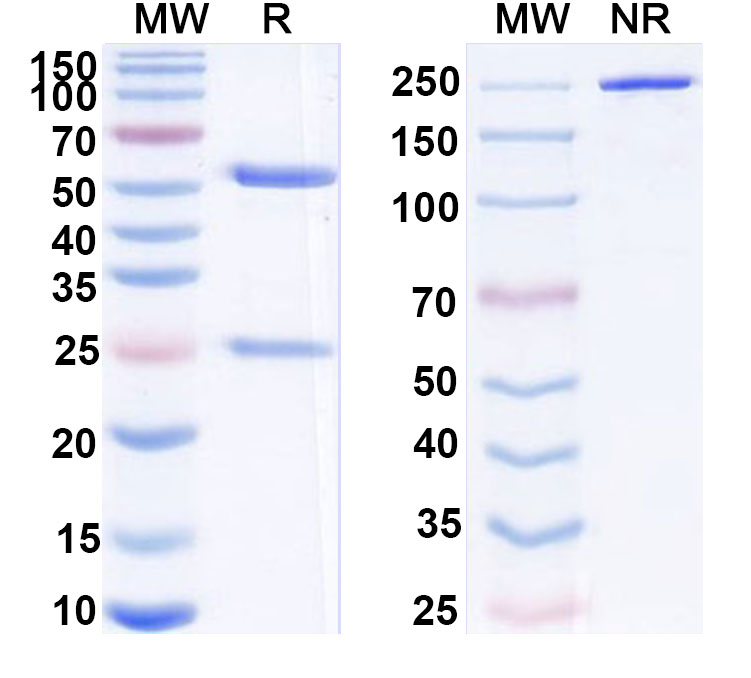
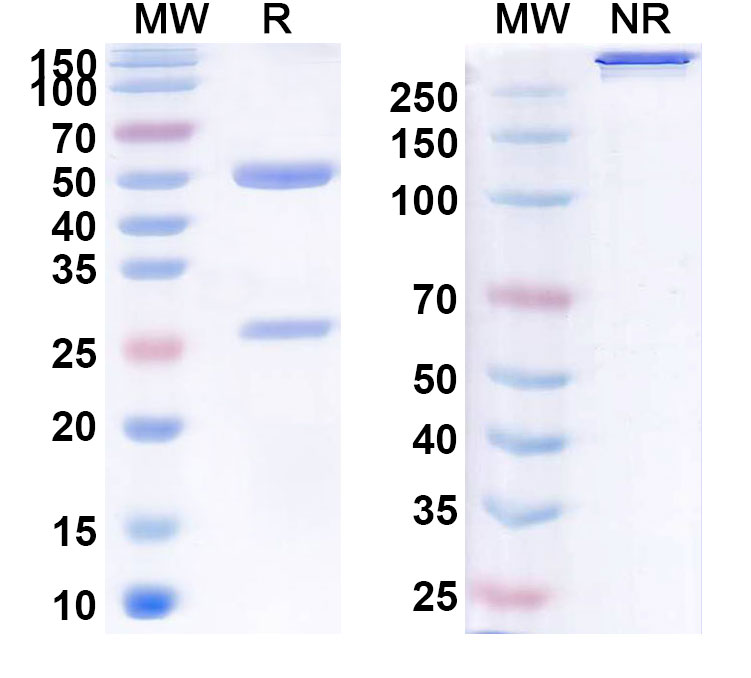
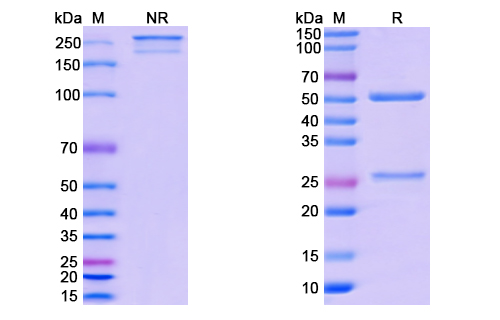
Ruplizumab Biosimilar is a monoclonal antibody, meaning it is derived from a single type of immune cell. It is a fully humanized antibody, meaning it is made up of human proteins and has a lower risk of immunogenicity compared to non-humanized antibodies. The antibody consists of two heavy chains and two light chains, which are connected by disulfide bonds. The variable regions of the antibody, which are responsible for binding to the CD40LG, are located at the tips of the heavy and light chains. These regions are highly specific and have been designed to target the CD40LG with high affinity.
Activity of Ruplizumab Biosimilar
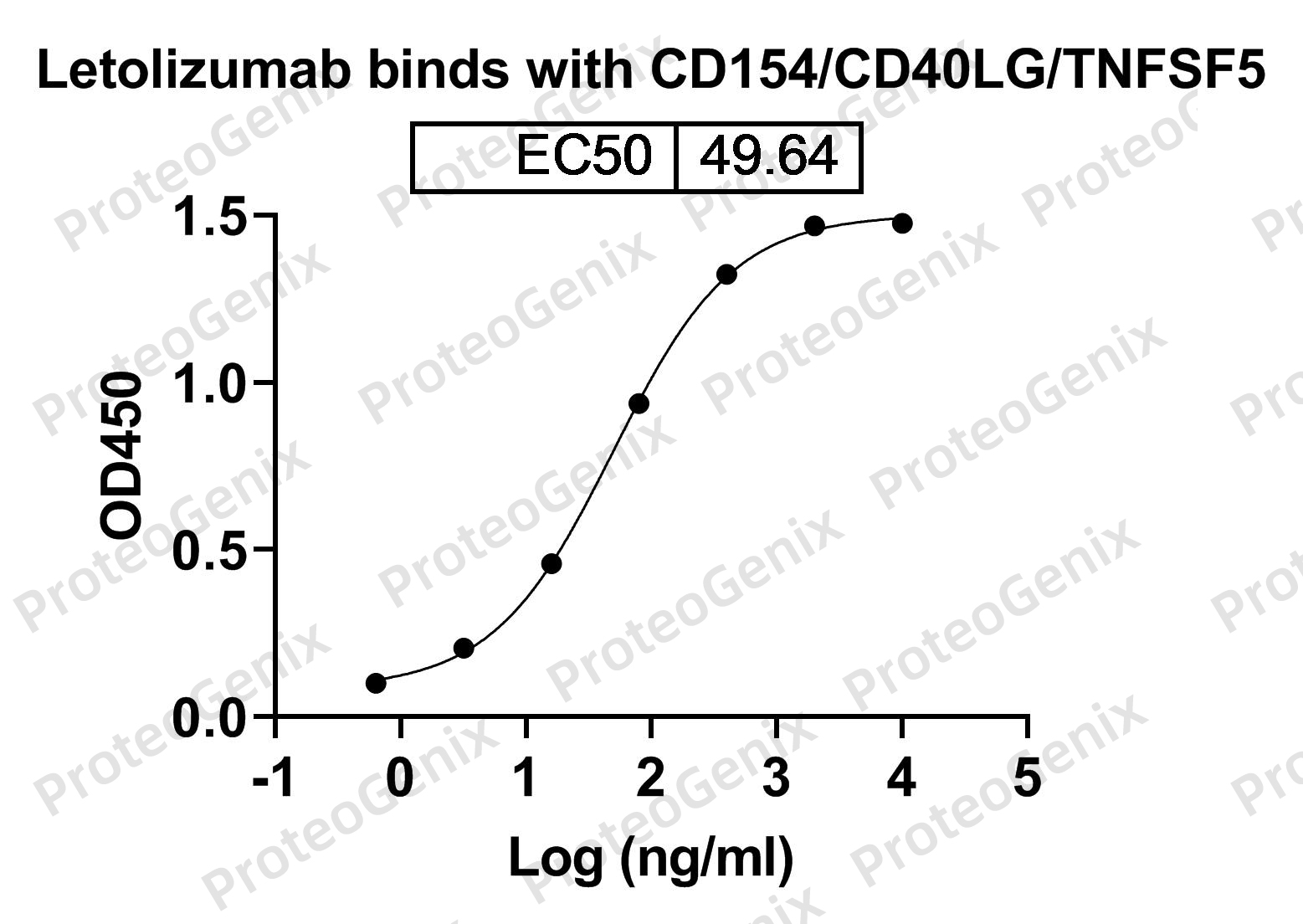
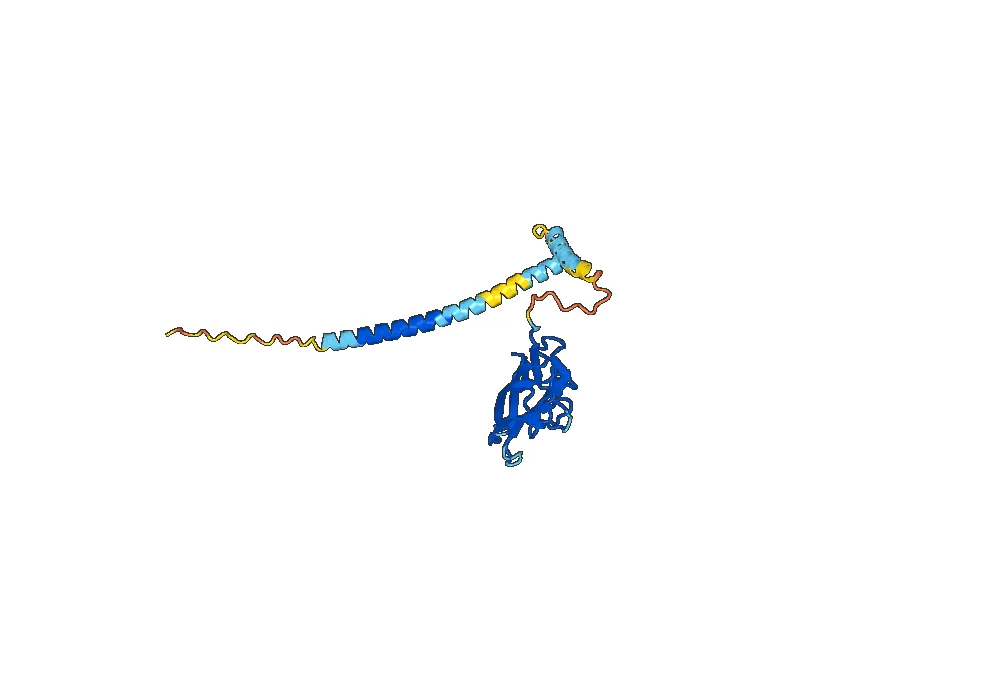
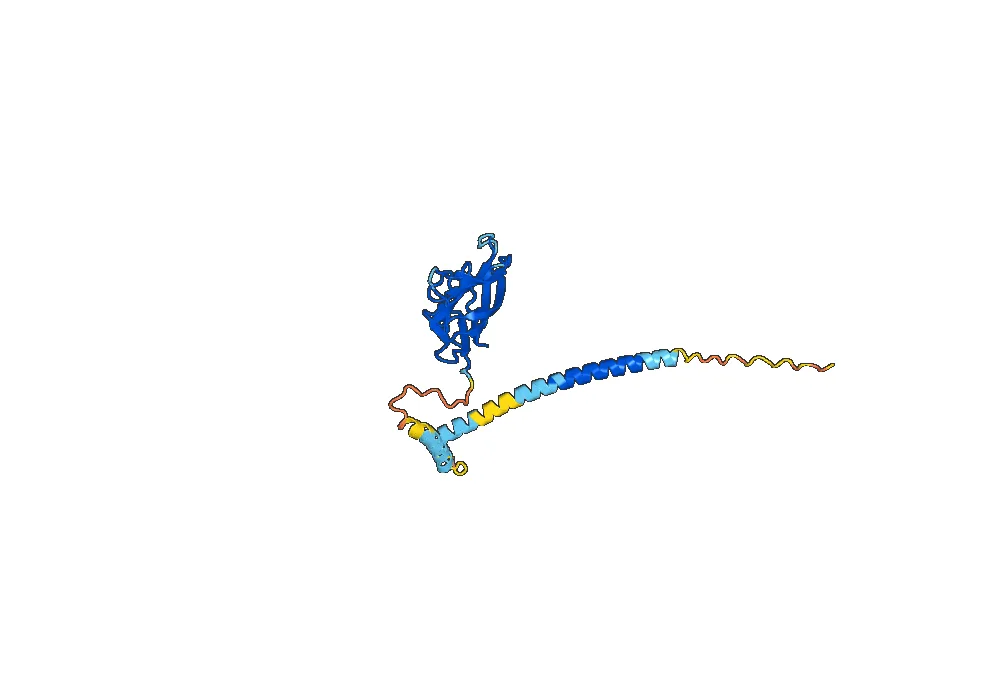
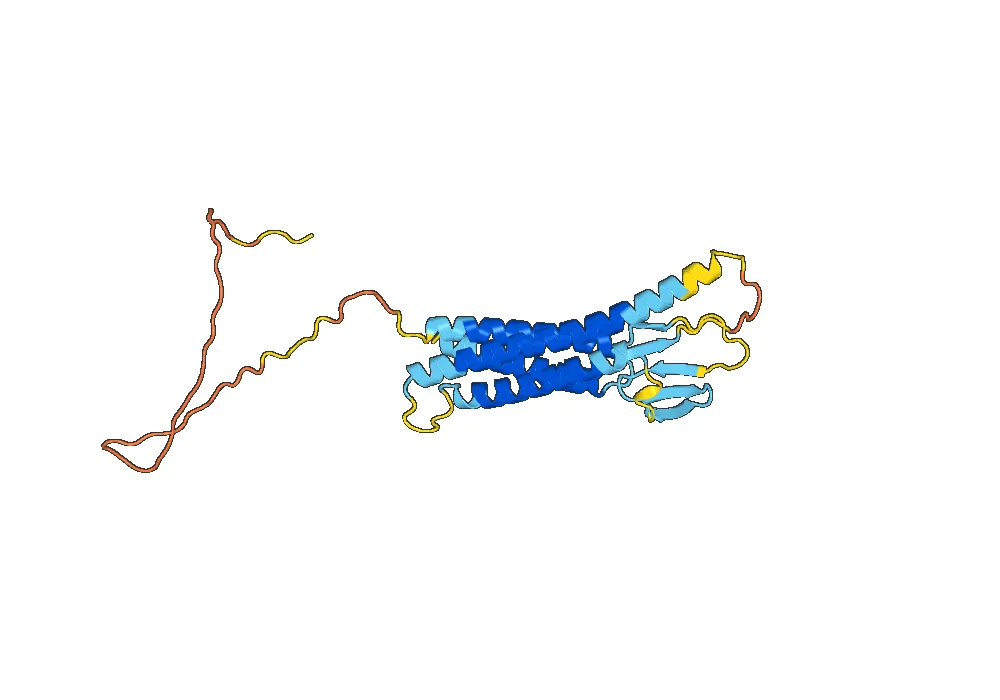
Ruplizumab Biosimilar works by binding to the CD40LG, a protein found on the surface of immune cells. This interaction blocks the binding of CD40LG to its receptor, CD40, which is found on the surface of other immune cells. This disruption of the CD40/CD40LG pathway has been shown to have anti-inflammatory effects, making Ruplizumab Biosimilar a potential therapeutic agent for various inflammatory diseases.
In addition to its anti-inflammatory activity, Ruplizumab Biosimilar has also been shown to have immunomodulatory effects. It can regulate the activity of immune cells, such as B cells, T cells, and dendritic cells, which play a crucial role in the immune response. This modulation of the immune system can be beneficial in diseases where the immune system is overactive, such as autoimmune diseases.
Applications of Ruplizumab Biosimilar
Ruplizumab Biosimilar has shown promising results in preclinical studies for the treatment of various diseases, including rheumatoid arthritis, systemic lupus erythematosus, and multiple sclerosis. These diseases are characterized by an overactive immune system and can lead to chronic inflammation and tissue damage. By targeting the CD40LG, Ruplizumab Biosimilar has the potential to suppress the immune response and reduce inflammation, providing a potential treatment option for these diseases.
In addition to its potential in autoimmune diseases, Ruplizumab Biosimilar has also shown potential in cancer treatment. CD40LG has been found to be overexpressed in certain types of cancer, and its interaction with CD40 on immune cells can promote tumor growth. By blocking this interaction, Ruplizumab Biosimilar can inhibit tumor growth and potentially enhance the efficacy of other cancer treatments.
Conclusion
In summary, Ruplizumab Biosimilar is a research grade version of the original Ruplizumab, designed to target the CD40LG with high specificity and affinity. Its structure as a fully humanized monoclonal antibody and its activity in blocking the CD40/CD40LG pathway make it a promising therapeutic agent for various diseases, including autoimmune diseases and cancer. Further research and clinical trials are needed to fully evaluate the potential of Ruplizumab Biosimilar in the treatment of these diseases.

There are no reviews yet.