Introduction
Solanezumab Biosimilar – Anti-APP Abeta, soluble monomer mAb – Research Grade is a novel biosimilar antibody that is designed to target the amyloid-beta (Abeta) protein, which is a key component in the development of Alzheimer’s disease (AD). This biosimilar is a monoclonal antibody (mAb) that has been developed as a potential therapeutic for the treatment of AD. In this article, we will discuss the structure, activity, and potential applications of Solanezumab Biosimilar.
Structure
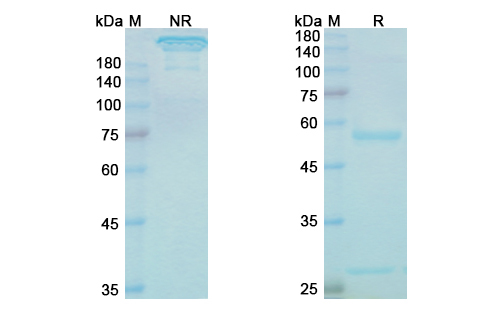
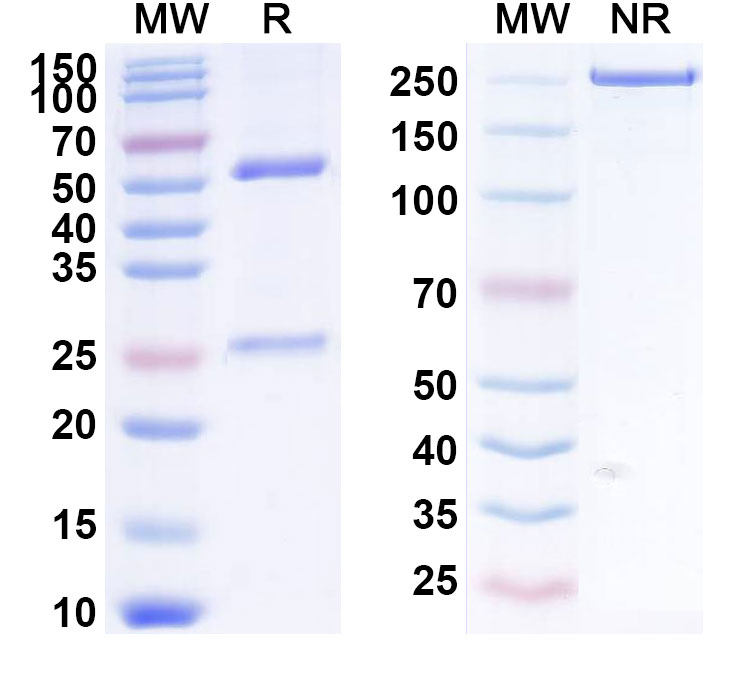
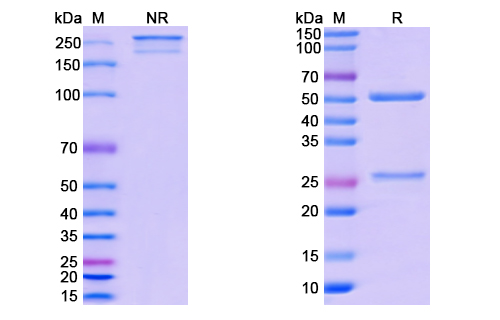
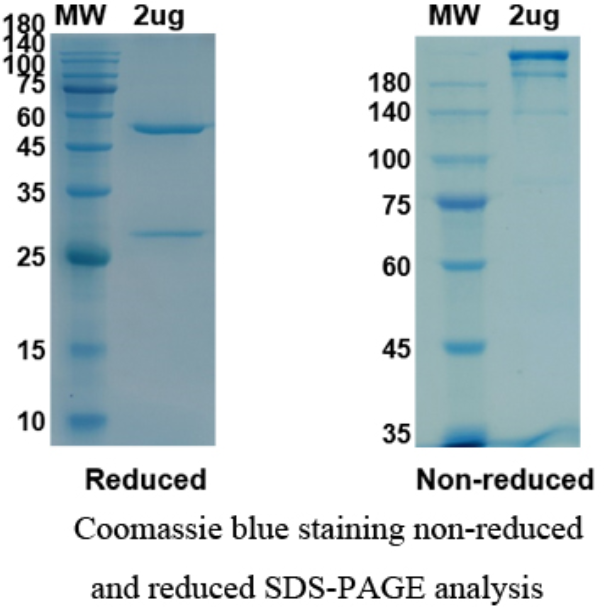
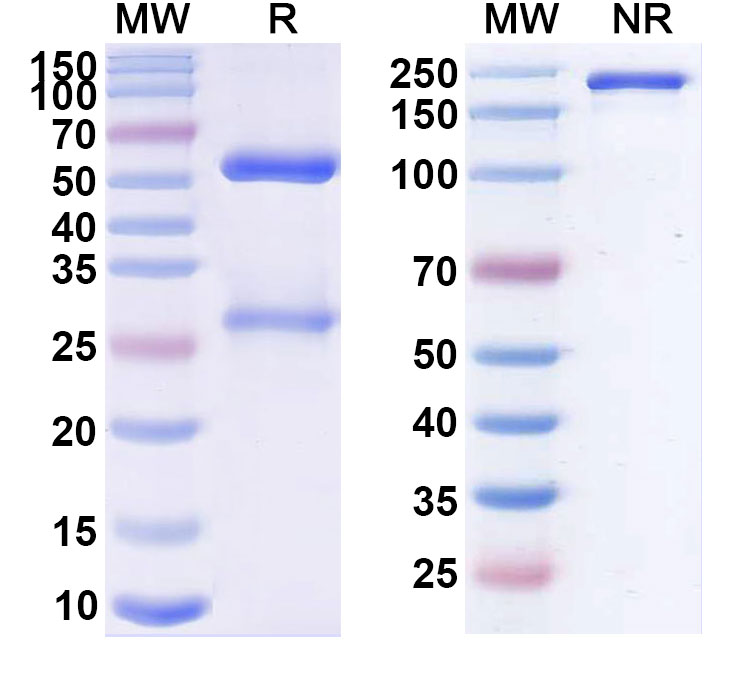
Solanezumab Biosimilar is a recombinant humanized IgG1 monoclonal antibody that is produced in Chinese hamster ovary (CHO) cells. It is composed of two heavy chains and two light chains, with a molecular weight of approximately 150 kDa. The antibody has a specific binding site for the Abeta protein, which is located in the variable region of the heavy and light chains.
Activity
The primary activity of Solanezumab Biosimilar is to bind to the Abeta protein and prevent its aggregation into toxic plaques, which are a hallmark of AD. This antibody specifically targets the soluble monomeric form of Abeta, which is believed to be the most toxic form of the protein. By binding to the Abeta protein, Solanezumab Biosimilar promotes its clearance from the brain, thereby reducing the burden of toxic plaques and potentially slowing the progression of AD.
In addition to its direct activity on the Abeta protein, Solanezumab Biosimilar also has an immunomodulatory effect. It is able to activate the immune system to clear Abeta plaques, as well as promote the production of anti-inflammatory cytokines. This dual mechanism of action makes Solanezumab Biosimilar a promising therapeutic candidate for AD.
Application
Solanezumab Biosimilar has shown promising results in preclinical and clinical studies for the treatment of AD. In preclinical studies, this antibody has been shown to reduce Abeta levels and improve cognitive function in animal models of AD. In clinical trials, Solanezumab Biosimilar has been well-tolerated and has shown potential to slow the progression of AD in patients with mild to moderate disease.
Currently, Solanezumab Biosimilar is being evaluated in phase III clinical trials as a potential treatment for AD. These trials are expected to provide more data on the safety and efficacy of this biosimilar antibody in a larger patient population. If successful, Solanezumab Biosimilar could potentially become a valuable therapeutic option for patients with AD.
Conclusion
In summary, Solanezumab Biosimilar – Anti-APP Abeta, soluble monomer mAb – Research Grade is a novel biosimilar antibody that has been designed to target the Abeta protein, a key player in the development of AD. This antibody has a specific binding site for the soluble monomeric form of Abeta and has shown promising results in preclinical and clinical studies. With ongoing phase III clinical trials, Solanezumab Biosimilar has the potential to become a valuable treatment option for patients with AD. Further research and development of this biosimilar antibody could lead to a better understanding of the pathogenesis of AD and potentially improve the lives of millions of patients worldwide.

There are no reviews yet.