Solrikitug Biosimilar: A Revolutionary Anti-TSLP mAb for Targeted Therapy
Solrikitug Biosimilar is a novel monoclonal antibody (mAb) that specifically targets thymic stromal lymphopoietin (TSLP), a cytokine that plays a crucial role in the pathogenesis of various inflammatory and allergic diseases. This biosimilar is a research grade product that offers a promising alternative to traditional treatments for these conditions.
Structure of Solrikitug Biosimilar
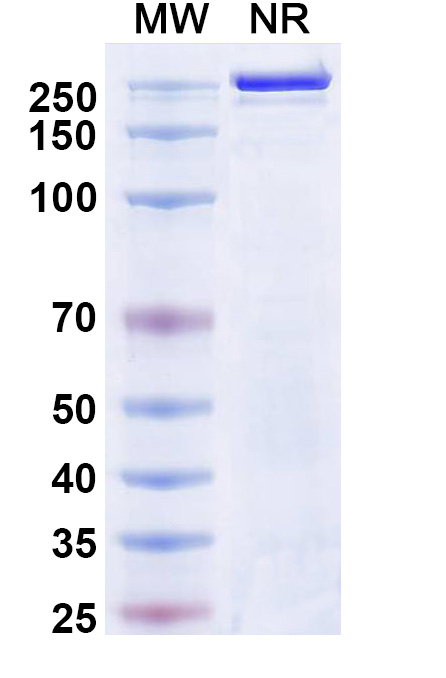
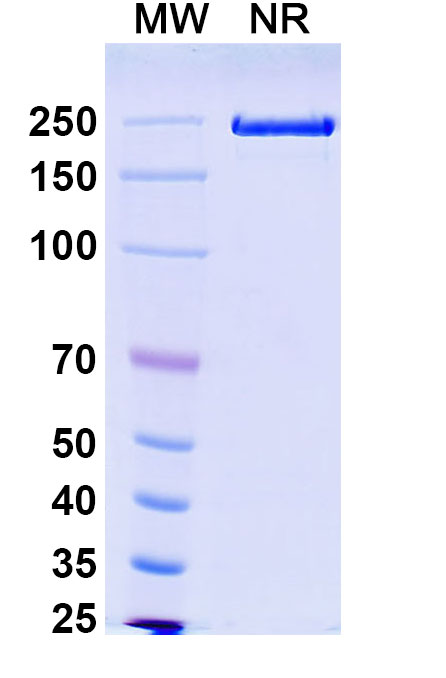
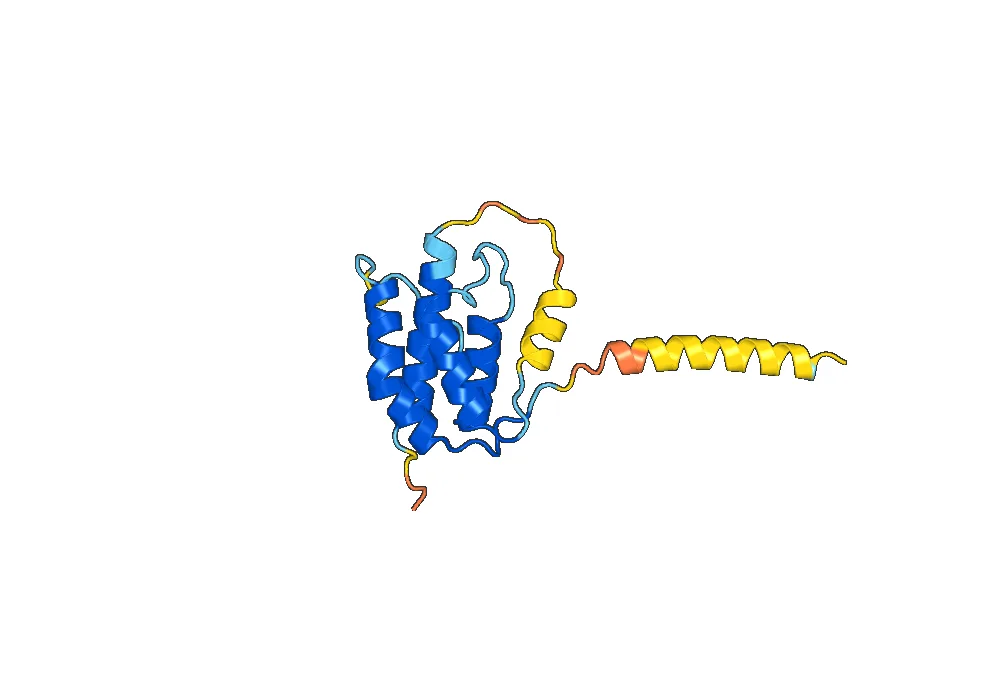
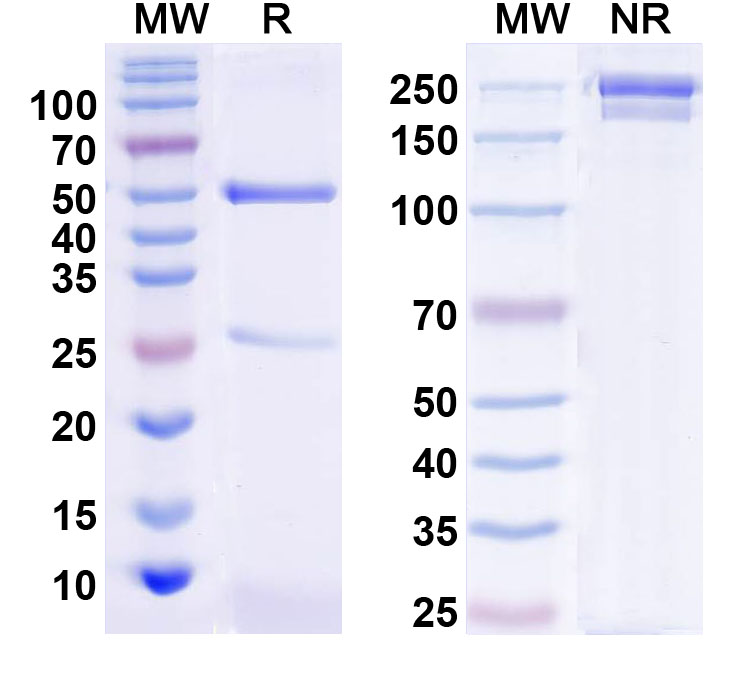
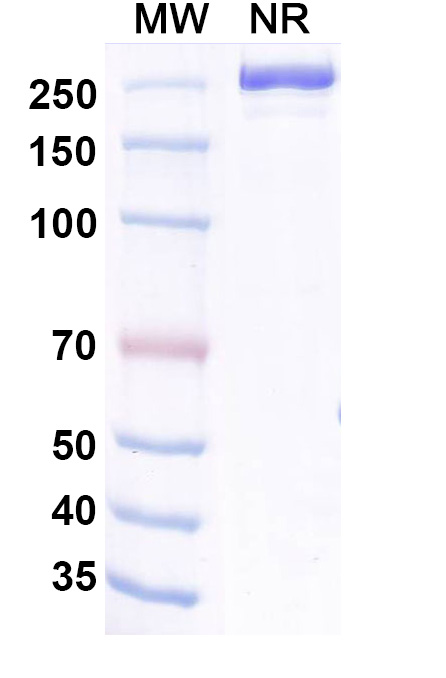
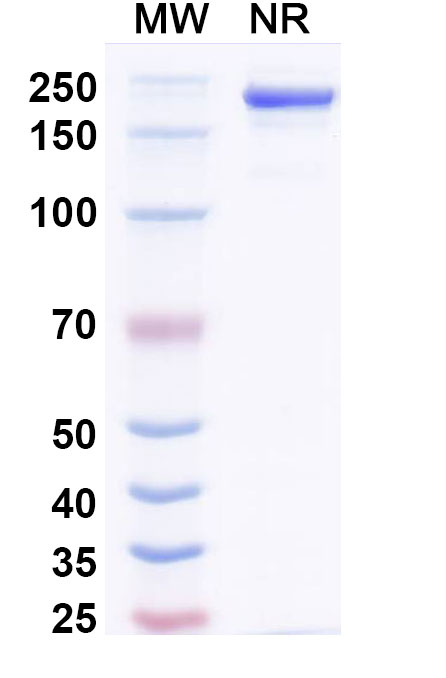
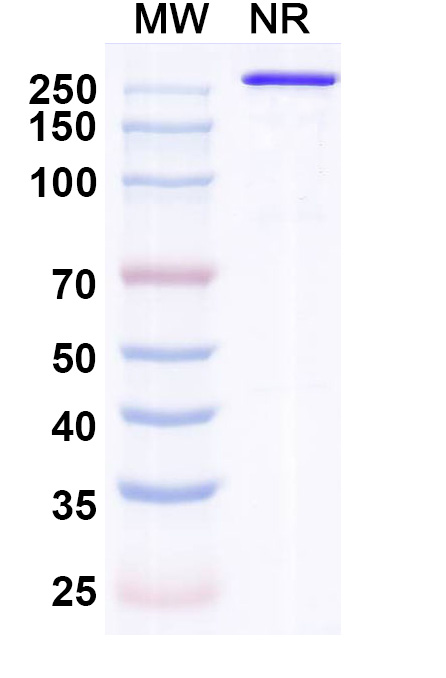
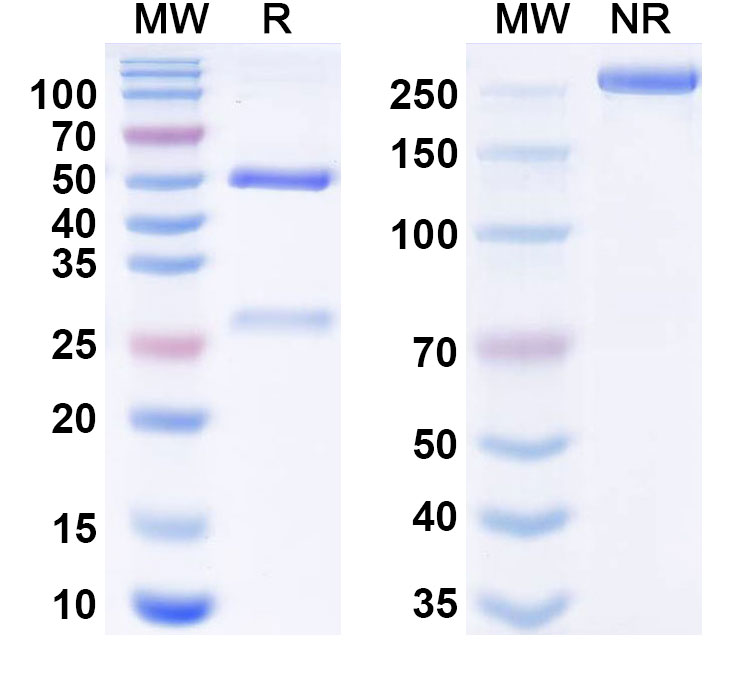
Solrikitug Biosimilar is a fully humanized IgG1 monoclonal antibody, with a molecular weight of approximately 150 kDa. It is produced using recombinant DNA technology, where the gene coding for the antibody is inserted into host cells, resulting in the production of large quantities of the pure antibody. The structure of Solrikitug Biosimilar is highly specific and tightly binds to TSLP, making it an effective therapeutic agent.
Activity of Solrikitug Biosimilar
The main mechanism of action of Solrikitug Biosimilar is its ability to neutralize TSLP, a key cytokine involved in the initiation and maintenance of allergic and inflammatory responses. TSLP is produced by various cells, including epithelial cells, mast cells, and dendritic cells, in response to allergens, viruses, and other triggers. It then activates immune cells, such as T cells and eosinophils, leading to the release of pro-inflammatory cytokines and chemokines. This cascade of events ultimately results in the development of allergic and inflammatory diseases.
Solrikitug Biosimilar specifically binds to TSLP, preventing it from activating immune cells and halting the inflammatory cascade. This not only reduces the symptoms of allergic and inflammatory diseases but also addresses the underlying cause, making it a highly targeted and effective therapy.
Application of Solrikitug Biosimilar
Solrikitug Biosimilar has shown promising results in preclinical studies and is currently being evaluated in clinical trials for the treatment of various allergic and inflammatory diseases, including asthma, atopic dermatitis, and eosinophilic esophagitis. It has the potential to provide a safe and effective treatment option for patients who do not respond to conventional therapies or experience significant side effects.
Furthermore, Solrikitug Biosimilar can also be used as a research tool to study the role of TSLP in various disease conditions. Its high specificity and potency make it an ideal candidate for in vitro and in vivo studies, providing valuable insights into the mechanisms of TSLP and its potential as a therapeutic target.
Conclusion
Solrikitug Biosimilar is a revolutionary anti-TSLP mAb that offers a targeted and effective approach to treating allergic and inflammatory diseases. Its specific structure and mechanism of action make it a promising alternative to traditional therapies, with the potential to improve the quality of life for patients and advance research in this field. As clinical trials continue to demonstrate its safety and efficacy, Solrikitug Biosimilar has the potential to become a game-changing therapy for patients suffering from these debilitating conditions.
Keywords:
antibody, therapeutic target, Solrikitug Biosimilar, anti-TSLP mAb, structure, activity, application, research grade, cytokine, inflammatory diseases, allergic diseases, monoclonal antibody, TSLP neutralization, preclinical studies, clinical trials, asthma, atopic dermatitis, eosinophilic esophagitis, research tool, in vitro, in vivo, targeted therapy, traditional treatments, quality of life.

There are no reviews yet.